

4 min readNew DelhiApr 14, 2026 07:00 PM IST
A new study published in The Lancet Gastroenterology and Hepatology journal has found that cases related to metabolic dysfunction-associated steatotic liver disease (MASLD) are “projected to rise to 1.8 billion by 2050, driven largely by population growth and lifestyle changes, including increasing rates of obesity and high blood sugar”.
Previously known as non-alcoholic fatty liver disease (NAFLD), MASLD is one of the most prevalent liver conditions globally, contributing to significant economic and health-related challenges. The study evaluated global, regional, and national cases from 1990 to 2023, revealing a 143% increase over the 33 years.
DISCLAIMER: This article is based on information from the public domain and/or the experts we spoke to. Always consult your health practitioner before starting any routine.
While advances in treatment and care are helping people live longer and healthier, the research claimed that the increase in the number of cases is mostly happening in the early stages of the disease. Indianexpress.com reached out to health experts to understand how to prepare oneself well to avoid liver problems later in life.
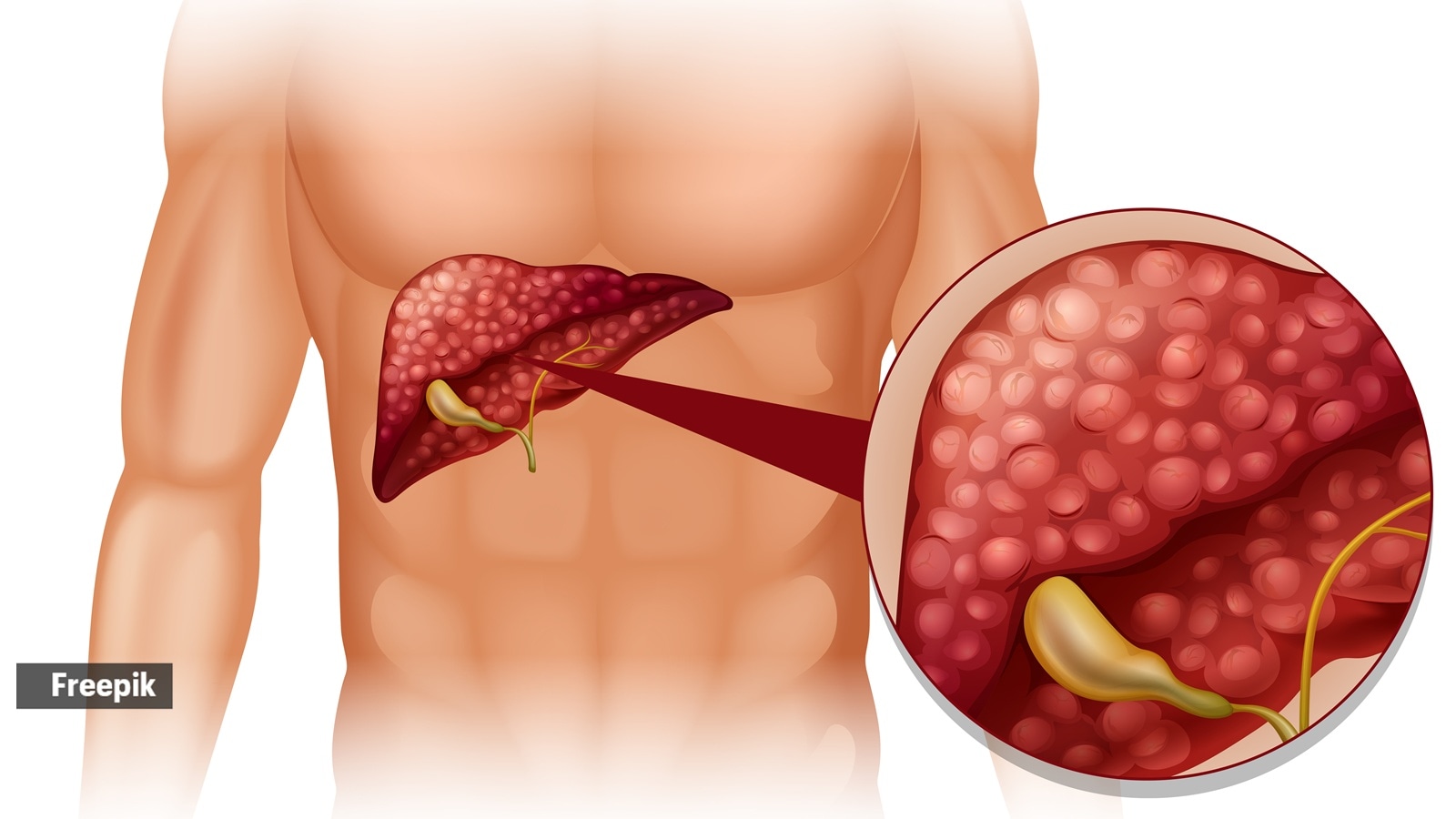 Quitting smoking can significantly reduce inflammation and improve overall liver health. (Freepik)
Dr Sonal Asthana, Lead Consultant – HPB & Liver Transplant Surgery, Aster CMI Hospital, Bangalore explained that metabolic dysfunction-associated steatotic liver disease (earlier called fatty liver disease) is rising fast, and the recent Lancet study highlights smoking, high body weight (BMI), and high fasting blood sugar as the biggest risk factors because all three directly affect how fat builds up in the liver.
- Smoking increases inflammation and reduces oxygen supply, which damages liver cells over time.
- A high BMI means excess body fat, especially around the abdomen, which leads to more fat being stored in the liver.
- High fasting plasma glucose, often linked to diabetes or prediabetes, shows poor sugar control, and this pushes the liver to convert extra sugar into fat.
Together, these factors worsen insulin resistance, making it harder for the body to manage sugar and fat properly, leading to liver damage.
Dr Akhil Deshmukh, Consultant – Hepatology and Liver Transplant, Aster Whitefield Hospital, Bengaluru further elaborated that insulin resistance serves as the backbone of the vicious cycle, which means that MASLD and type 2 diabetes are two different symptoms of the same metabolic disease.
Story continues below this ad
What can you do to keep it in check?
To keep MASLD in check, Dr Asthana said that people should focus on simple lifestyle changes.
“Maintaining a healthy weight through regular exercise like walking, cycling, or yoga can reduce liver fat. Eating a balanced diet with less sugar, fried food, and processed items, and more fruits, vegetables, and whole grains is important,” she told indianexpress.com.
“Instead of treating it alone, think of it like part of a wider pattern. When bodies move less and eat more high-calorie foods, the liver often shows signs first,” said Dr Deshmukh. According to him, identifying the disease early, using risk stratification to assess fibrosis noninvasively, rigorous glycemic management even in cases of prediabetes, losing body weight by 5%-10%, and changing lifestyles could all help modify the course of the condition.
Quitting smoking can also significantly reduce inflammation and improve overall liver health. Keeping blood sugar under control by limiting sweets and refined carbohydrates and following medical advice if diabetic is also key, Dr Ashthana added.
Story continues below this ad
Finally, Dr Asthana reiterated that regular health check-ups, including liver function tests and blood sugar monitoring, can help detect early changes and prevent serious complications in the future.
DISCLAIMER: This article is based on information from the public domain and/or the experts we spoke to. Always consult your health practitioner before starting any routine.

Leave a Reply