
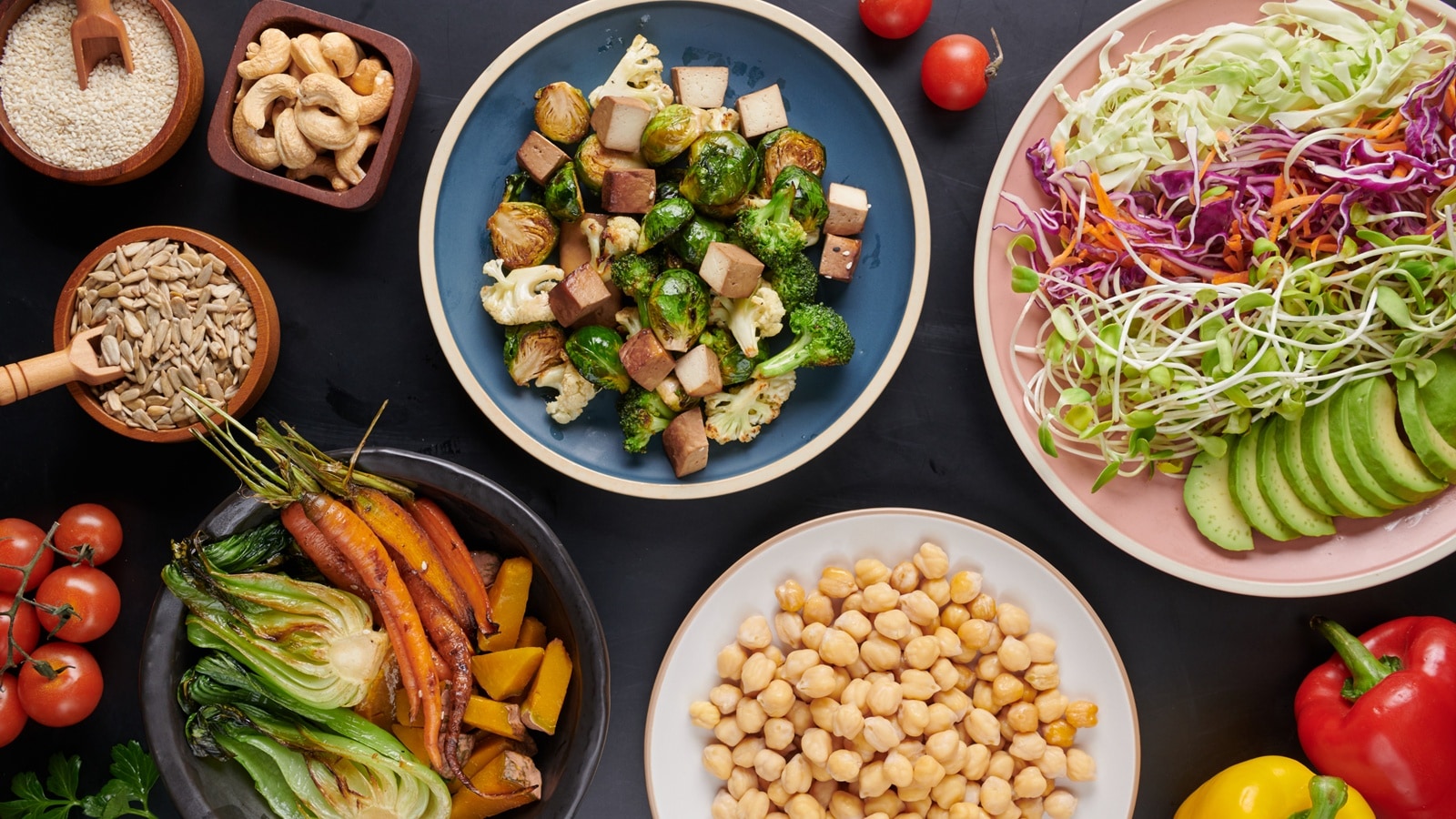
The proportion of foods on our plate plays an important role in maintaining a balanced diet and overall well-being. In a recent X post, Food Safety & Standards Authority of India (FSSAI) – the apex food regulator of India under the Ministry of Health & Family Welfare — asked a vital question: Do you know which food group should occupy the largest portion of a healthy adult’s plate?
DISCLAIMER: This article is based on information from the public domain and/or the experts we spoke to. Always consult your health practitioner before starting any routine.
Dr Sushila Kataria, Vice Chairman, Internal Medicine, Medanta Gurugram, believes the ‘healthy plate’ concept serves as one of the most useful ways to promote balanced nutrition and prevent the development of lifestyle-related illnesses.
The proportion of foods on our plate plays an important role in maintaining a balanced diet and overall well-being.
Do you know which food group should occupy the largest portion of a healthy adult’s plate?
Comment your answer below!#EatRightIndia #FSSAIQuiz #EatRightQuiz pic.twitter.com/osCsG779e0
— FSSAI (@fssaiindia) May 31, 2026
And in answer to FSSAI’s question, she tells indianexpress.com, “Vegetables must form the major component of the plate with the inclusion of fruits on the plate being ideal, in healthy adult individuals.” Explaining why, she says, “vegetables and fruits contain vital components such as fibre, vitamins, minerals, and antioxidants, which are necessary for promoting good digestion and strengthening the immune system”.
The next components to be included are whole grains and proteins. Dr Kataria explains that whole grains, which include foods like millets, whole wheat, and brown rice, offer sustained energy sources. On the other hand, proteins in the form of beans, lentils, milk products, eggs, fish, or lean meats are important for maintaining good muscle tone and metabolic health.
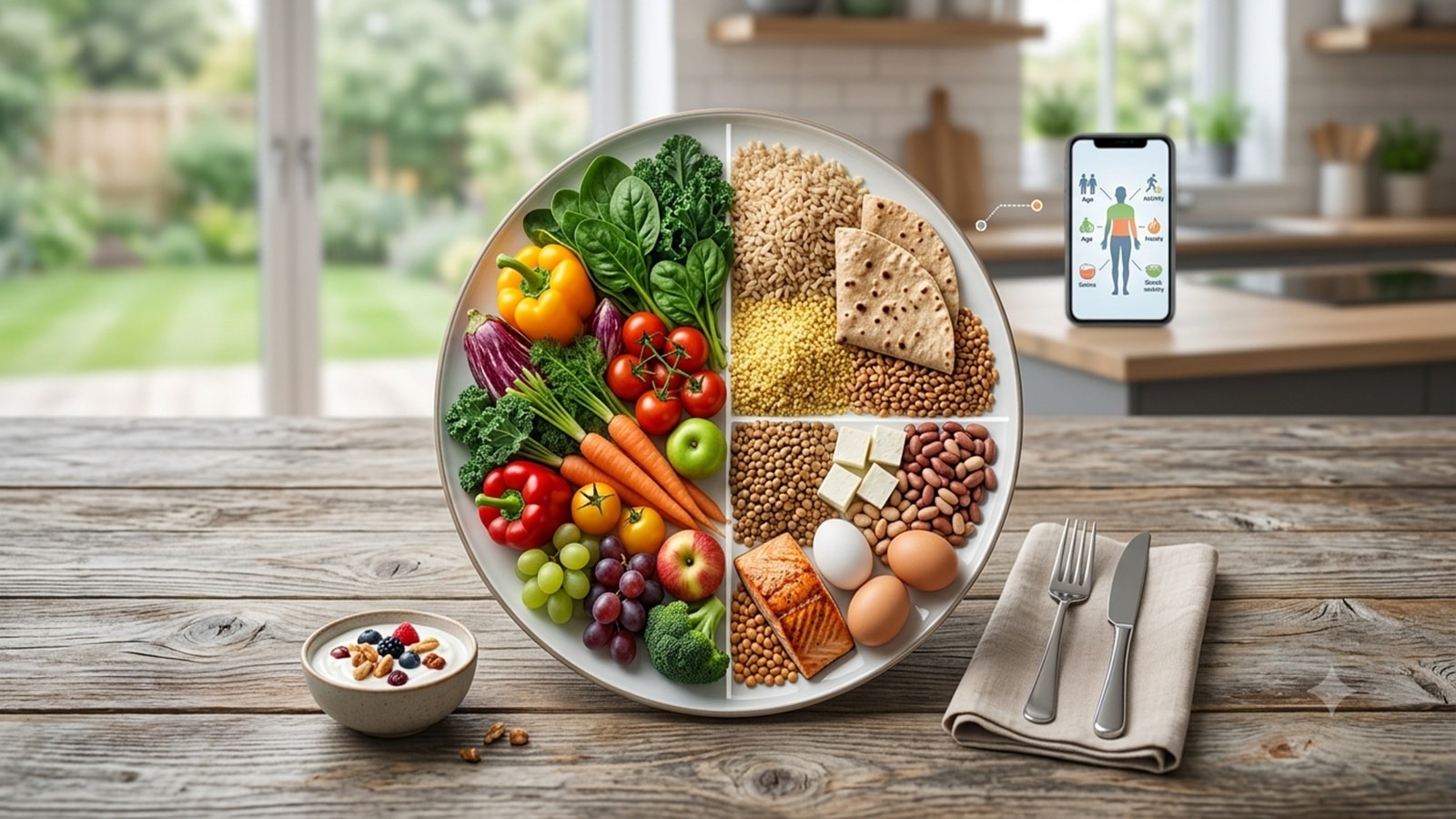 Vegetables should take up the lion’s share. (AI generated)
Healthy eating is not just about food
“We see an increasing number of patients suffering from conditions like obesity, diabetes, hypertension, and cardiovascular diseases, and most of these are associated with poor eating habits,” Dr Kataria notes.
According to her, healthy eating involves not only the type of food consumed but also its quantity and preparation techniques. “The choice of foods that are fresh and minimally processed as well as portion control can contribute significantly to one’s health status in the future,” she shares.
However, it is important to understand that nutritional needs vary from person to person depending on their lifestyle, age, and activity levels. Dr Kataria says that a healthy individual engaged in physically demanding work will have different calorie requirements compared to someone with a sedentary desk job.
Similarly, dietary requirements change with age.
Story continues below this ad
“Younger individuals may be able to utilise and burn carbohydrates more efficiently, whereas older adults often require greater protein intake to help preserve muscle mass,” she mentions, adding that while the healthy plate serves as a useful framework, dietary habits should be personalised to suit an individual’s specific needs.
The concept of the healthy plate provides a simple visual aid to enable people make proper decisions while selecting healthy foods on a daily basis. “Remember, one size does not fit all. This concept should be viewed as a general guide rather than a rigid prescription,” she concludes.
DISCLAIMER: This article is based on information from the public domain and/or the experts we spoke to. Always consult your health practitioner before starting any routine.

Leave a Reply