
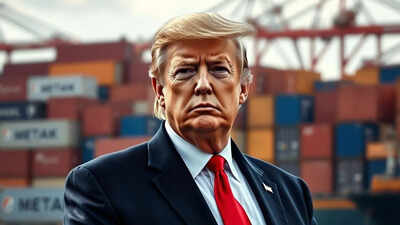
Amid ongoing India-US trade deal talks, the Office of the United States Trade Representative (USTR) has named India among countries that have unfair trade practices. Based on these findings, the USTR has proposed imposing additional tariffs ranging from 10% to 12.5% on imports from affected countries.The USTR released the outcome of 60 investigations conducted under Section 301, identifying India among 54 economies that, according to its assessment, do not have adequate measures in place to prohibit or effectively prevent the import of goods allegedly produced using forced labour. The development comes as senior trade officials from the US and India are engaged in a three-day round of discussions in New Delhi aimed at advancing a proposed bilateral trade agreement.
What USTR Has Said
In a notification, the USTR said countries that already enforce a ban on imports linked to forced labour, have committed to introducing and implementing such measures under a reciprocal trade arrangement, or operate a partial framework that restricts the entry of certain goods produced through forced labour, would face an additional tariff of 10%.For countries that do not meet these criteria, the proposed additional duty has been set at 12.5%. The USTR has also suggested a separate mechanism for textiles and apparel that would permit a specified volume of imports from selected economies to enter the US market at a lower Section 301 tariff rate.The agency further indicated that it intends to pursue responsive trade actions based on the findings of these investigations.“The failure of our most important trading partners to address the importation of goods made with forced labor is unacceptable. This creates a dynamic where American workers are forced to compete globally on an unlevel playing field,” Ambassador Jamieson Greer was quoted as saying.According to USTR, the following 54 economies have failed to impose and effectively enforce a prohibition on the importation of goods produced with forced labor:Algeria; Angola; Argentina; Australia; the Bahamas; Bahrain; Bangladesh; Brazil; Cambodia; Chile; China, People’s Republic of; Colombia; Costa Rica; Dominican Republic; Egypt; El Salvador; Guatemala; Guyana; Honduras; Hong Kong, China; India; Iraq; Israel; Japan; Jordan; Kazakhstan; Kuwait; Libya; Malaysia; Morocco; New Zealand; Nicaragua; Nigeria; Norway; Oman; Peru; the Philippines; Qatar; Russia; Saudi Arabia; Singapore; South Africa; South Korea; Sri Lanka; Switzerland; Taiwan; Thailand; Trinidad and Tobago; Türkiye; United Arab Emirates; United Kingdom; Uruguay; Venezuela; and Vietnam.These six economies have failed to effectively enforce a prohibition on the importation of goods produced with forced labor: Canada; Ecuador, the European Union; Indonesia; Mexico; and Pakistan.
What is Section 301?
Section 301 is a provision of the US Trade Act of 1974 that gives the USTR authority to examine the trade practices, policies and actions of foreign governments. The objective is to determine whether such measures are unfair, discriminatory or place an unreasonable burden on US trade and commercial interests.If an investigation concludes that a country has engaged in practices considered detrimental to US commerce, the provision empowers the US administration to take corrective action. Such measures can include imposing higher tariffs, introducing trade restrictions or adopting other remedies designed to address the identified concerns.

Leave a Reply