
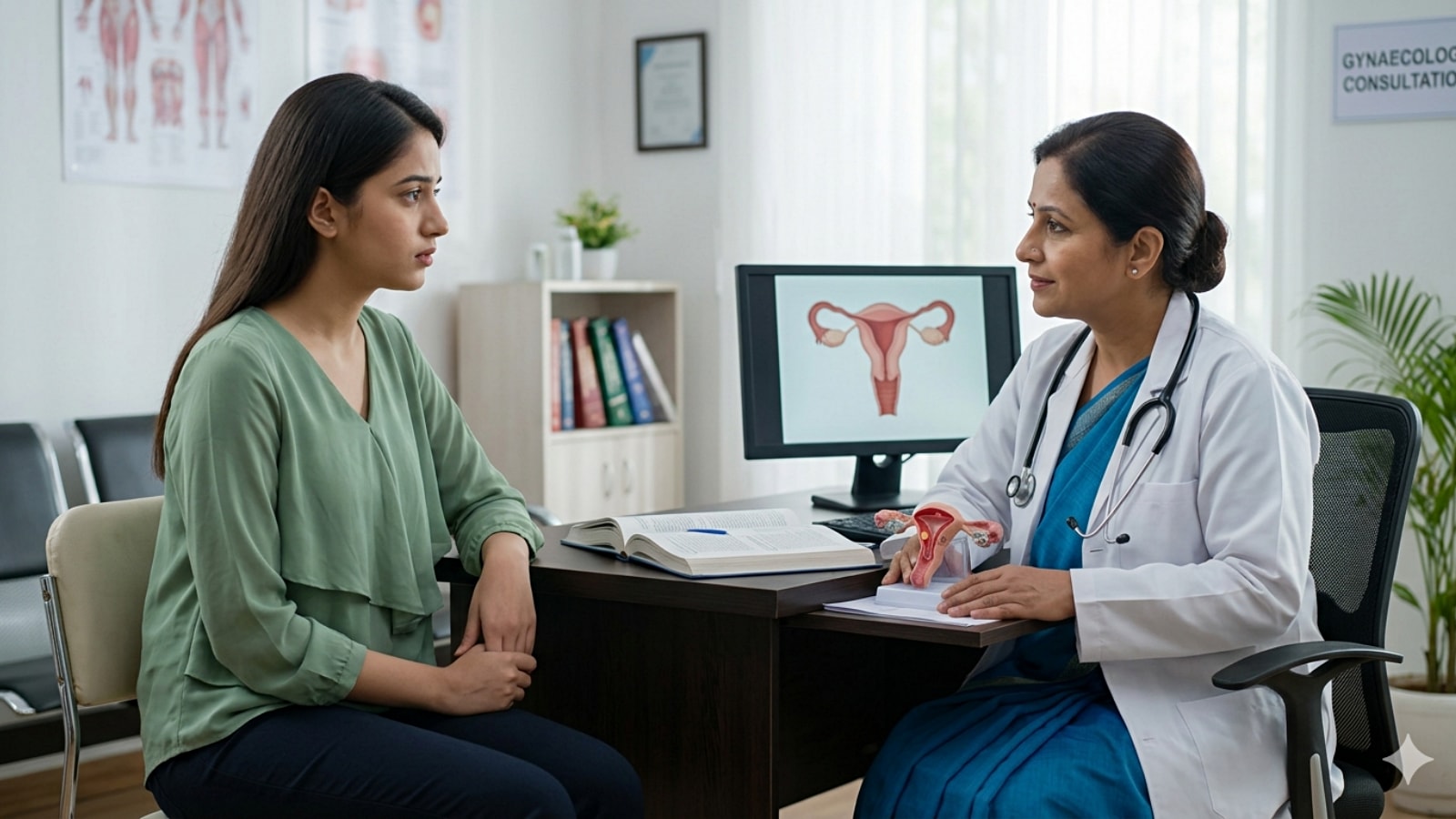
A concerned internet user recently took to Quora seeking answers about her menstrual cycle. While typically girls get their first period in their teens, the user was still waiting for hers. The post read: ‘I am 24 years old now and I still haven’t got my period yet, like never ever. Is it normal?’
We decided to dig deeper into the matter and seek answers. According to Dr Ruchi Srivastava, Director – Obstetrics and Gynaecology, ShardaCare–Healthcity, while delayed cycles can happen, a complete absence of menstruation by this age needs medical attention. “No, it is not considered normal to have never had periods by the age of 24,” Dr Srivastava tells indianexpress.com. In medical terms, this condition is known as primary amenorrhea.
“By 24, it is important to investigate the cause rather than ignore it.” While some individuals may experience delayed puberty due to genetic or hormonal reasons, the complete absence of periods at this stage usually signals an underlying issue that requires evaluation.

DISCLAIMER: This article is based on information from the public domain and/or the experts we spoke to. Always consult your health practitioner before starting any routine.
What could be the reasons?
There isn’t a single cause. “There can be several reasons for not getting periods at all,” says Dr Srivastava. These may include hormonal imbalances, where the body does not produce enough hormones required for menstruation.
Conditions like Polycystic Ovary Syndrome (PCOS) or thyroid disorders are also common contributors. In some cases, “structural issues”—such as underdeveloped reproductive organs—or genetic conditions like Turner syndrome may be responsible.
Lifestyle factors like extremely low body weight, excessive exercise, stress, or poor nutrition can delay periods, but as the doctor points out, “complete absence till 24 usually points towards a medical cause.”
Story continues below this ad
“Each case is different, so proper evaluation through tests is necessary to identify the exact reason,” she further suggests.
 Extremely low body weight, excessive exercise, stress, or poor nutrition may also sometimes delay periods (Image: Pexels)
Will it affect fertility?
A common concern is whether this could impact future pregnancy. According to the expert, “It can affect fertility, but not always.” The outcome largely depends on the underlying cause.
Hormonal issues and conditions like PCOS can often be managed, allowing many women to conceive with proper treatment. However, structural or genetic conditions may pose challenges. Still, advances in medical care and assisted reproductive techniques offer hope in many cases.
Can it be treated?
The good news is that treatment is often possible. “Yes, in most cases, primary amenorrhea can be treated or managed effectively once the cause is identified,” she says.
Story continues below this ad
Treatment depends on the underlying issue—ranging from hormonal therapy to managing conditions like PCOS or thyroid disorders. In some cases, surgical intervention may be required if structural abnormalities are present. Lifestyle changes, including a balanced diet, maintaining a healthy weight, and reducing stress, can also support recovery.
What should you do now?
The first and most important step is seeking medical advice. “The first step is to consult a gynaecologist without delay,” Dr Srivastava emphasises.
Evaluation may include blood tests to check hormone levels, ultrasound imaging of the uterus and ovaries, and, in some cases, genetic testing. Early diagnosis plays a key role in effective management and preventing complications.
While it may feel uncomfortable to talk about, never having had a period by your mid-20s is not something to ignore. With timely medical guidance and the right treatment, many underlying causes can be addressed—making early consultation crucial.
Story continues below this ad
DISCLAIMER: This article is based on information from the public domain and/or the experts we spoke to. Always consult your health practitioner before starting any routine.

Leave a Reply