
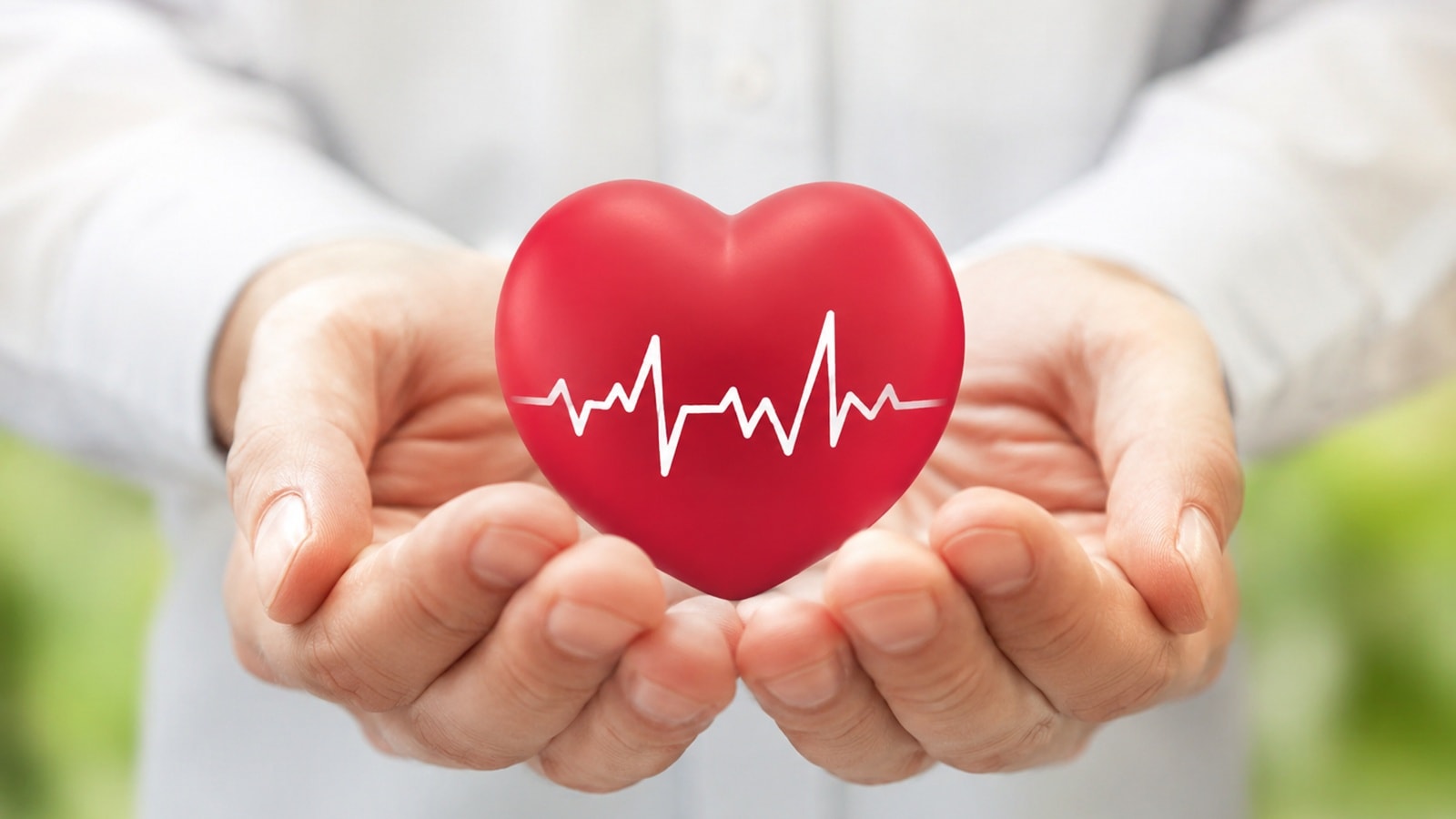
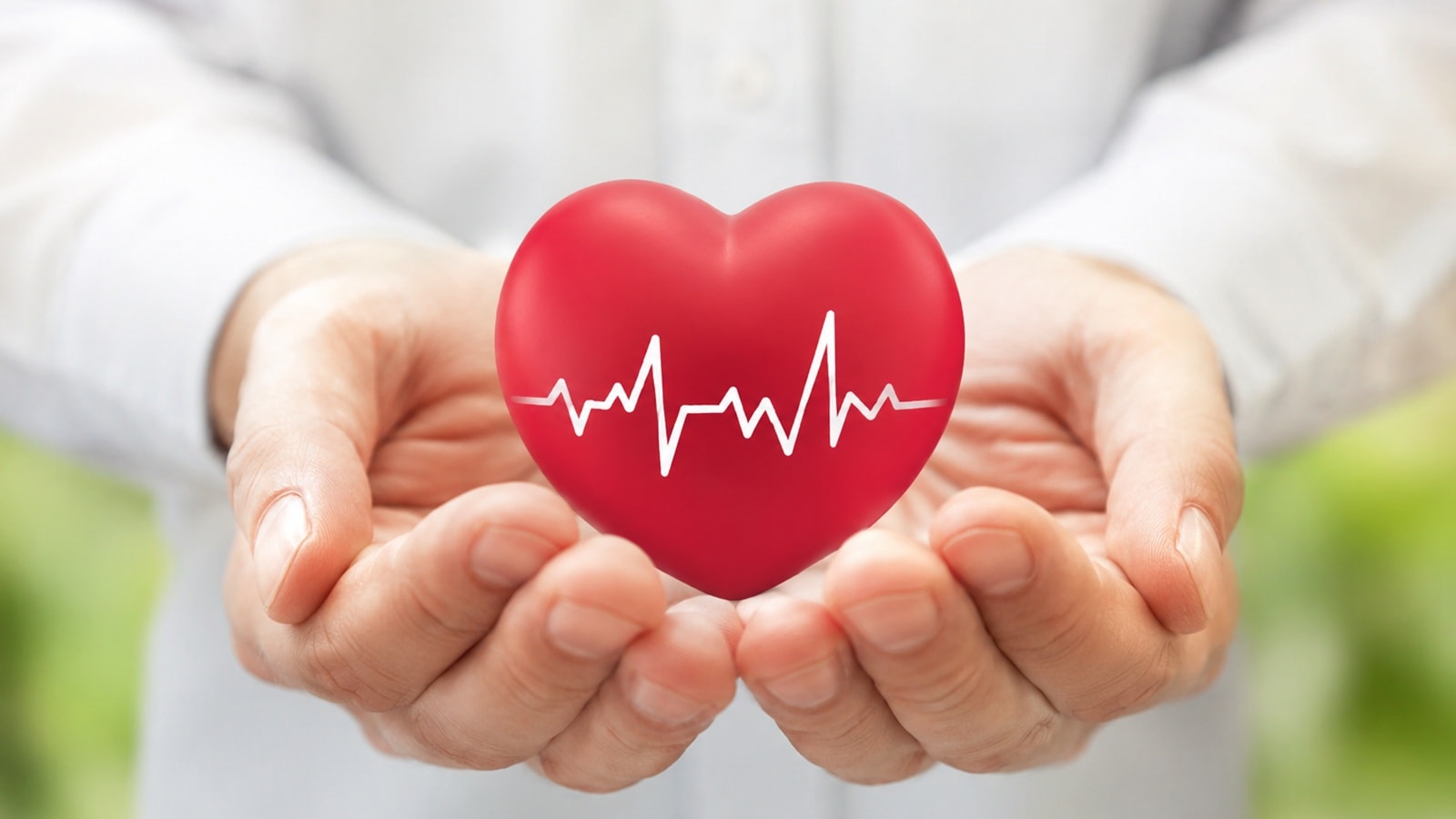
The heart is often viewed through the lens of disease risk — high blood pressure, heart attacks, blocked arteries, or heart failure. But according to cardiologist Dr Dmitry Yaranov, the heart has a surprisingly unusual characteristic: despite its importance and constant workload, it is among the organs least likely to develop cancer.
In an Instagram post, Dr Yaranov, who specialises in heart failure, advanced heart failure, heart transplantation, and mechanical circulatory support, highlighted how uncommon primary heart cancers actually are. He stated, “The heart is actually one of the most cancer-resistant organs in the human body. Why? Unlike many tissues in the body, heart muscle cells divide very little after early life.” He further explained that primary heart cancer is so rare that many cardiologists may never encounter a genuine case during their entire professional careers.
DISCLAIMER: This article is based on information from the public domain and/or the experts we spoke to. Always consult your health practitioner before starting any routine.
According to Dr Yaranov, one of the key reasons may lie in the way heart cells function differently from those in many other organs. Fewer cell divisions may reduce the opportunities for cancer-causing mutations to occur. He also pointed to the heart’s unique environment, noting that its constantly active, high-energy nature appears less favourable for tumour development. “That’s why cancers of the lung, colon, breast, and prostate are dramatically more common than cancers that actually start in the heart,” he added.
However, resistance to cancer does not necessarily translate into complete protection. Dr Yaranov stressed that many of the same habits that raise cancer risk can also significantly affect heart health, including:
- Smoking
- Obesity
- Poor diet
- Physical inactivity
- Chronic inflammation
Highlighting this overlap, he cautioned, “So while the heart may naturally resist cancer better than many organs, it remains highly vulnerable to the way we live. Protecting your heart and lowering cancer risk often starts with the exact same decisions.”
Why some organs appear naturally more resistant to cancer than others
Dr CM Nagesh, Senior Consultant Cardiologist and Medical Director Cardea Superspeciality Hospital, tells indianexpress.com, “Cancer is essentially a disease of uncontrolled cell growth. The more frequently cells divide, the greater the chance that genetic errors and mutations may occur.”
“Tissues such as the skin, lungs, and digestive tract are constantly renewing themselves, which means their cells divide more often. That repeated cycle increases the possibility of cancer-causing mutations,” he explained.
Story continues below this ad
The heart behaves very differently. Its main functional cells, called cardiomyocytes, largely stop dividing soon after birth. “When the heart grows or adapts to stress, it typically does so by enlarging existing cells rather than creating many new ones,” he said.
Because these cells rarely replicate, the opportunity for DNA-copying errors becomes much smaller, helping explain why primary heart cancers are exceptionally rare. Dr Nagesh also noted that the heart’s highly oxygenated environment and constant blood flow may reduce prolonged exposure of its tissues to potentially harmful substances.
Symptoms or signs that could potentially indicate a problem involving the heart
Although heart tumours are rare, Dr Nagesh said symptoms can develop because growths inside the heart may obstruct blood flow, interfere with electrical activity, or release fragments into the circulation.
Signs that should not be ignored include:
- Position-related shortness of breath: Severe breathlessness that noticeably changes with posture, such as worsening when lying down.
- Unexplained fainting or dizziness: Sudden episodes without an obvious cause could suggest a temporary disruption of blood flow.
- New-onset irregular heartbeats or palpitations: Unexpected racing, fluttering, or skipped heartbeats may indicate interference with the heart’s electrical system.
- Stroke-like symptoms or circulation problems: Fragments from certain tumours can travel through the bloodstream and block blood vessels.
- Persistent general symptoms: Ongoing fatigue, low-grade fever, unexplained weight loss, or joint pain may occasionally occur because some tumours trigger inflammatory responses.
“These symptoms are not specific to heart tumours and can be caused by many more common conditions,” he noted, “but persistent or unexplained symptoms deserve medical attention.”
Story continues below this ad
How lifestyle factors affect the body
Dr Nagesh said cardiovascular disease and cancer often share common biological pathways. “One of the biggest connections is chronic inflammation,” he explained.
Excess visceral fat, poor dietary habits, and inactivity can create a persistent inflammatory state in the body. Over time, this can damage blood vessels, contribute to plaque buildup, and increase cardiovascular risk. The same inflammatory environment may also affect immune function and create conditions that support abnormal cell growth.
He added that metabolic changes also play a role. Obesity and poor diet can lead to insulin resistance and higher levels of growth-related hormones such as insulin-like growth factor-1 (IGF-1), which may encourage both vascular changes and abnormal cell survival. Smoking and environmental toxins further increase risk through oxidative stress.
“These harmful molecules can damage DNA and blood vessels simultaneously,” he said. “The same biological processes that contribute to cancer development can also contribute to heart disease.” His broader point: lifestyle habits do not simply increase the risk of one disease at a time — they can alter the body in ways that affect multiple systems simultaneously.
Story continues below this ad
DISCLAIMER: This article is based on information from the public domain and/or the experts we spoke to. Always consult your health practitioner before starting any routine.

Leave a Reply