
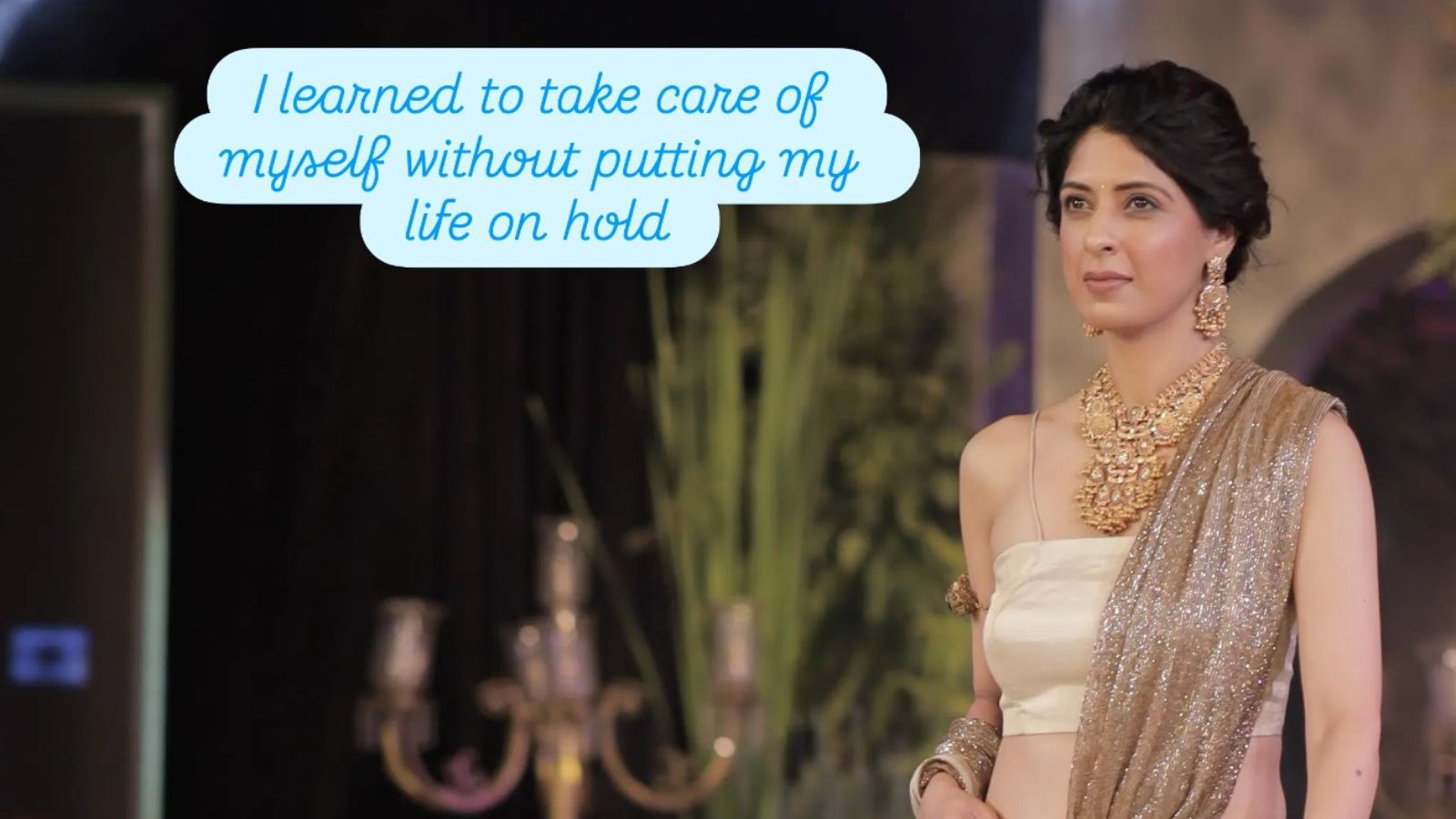
Aishwarya Sakhuja, who was diagnosed with Type 1 diabetes 10 years ago, recently revealed her initial misdiagnosis. Taking to Instagram on October 18, the Saas Bina Sasural actress wrote, “I was misdiagnosed. And before I knew what was happening to my body, I had no idea that my life was about to change in a way I would have to navigate every single day.”
“Today marks 10 years of living with Type 1 diabetes. 10 years of insulin. 10 years of learning my body. 10 years of highs, lows, lessons, frustration, and figuring things out as I go. 10 years of trying to take care of myself, even on days when it feels like a full-time job,” she added.
DISCLAIMER: This article is based on information from the public domain and/or the experts we spoke to. Always consult your health practitioner before starting any routine.
She also wrote about how she has taken care of her health throughout by working out and being mindful about what she eats. And somewhere along the way, she also had to learn to be kinder to her body – the body that needs insulin, the body with its lumps, bumps and imperfections, the body that carries her through work, relationships, ordinary days and extraordinary ones.
What happens if you are incorrectly diagnosed with Type 1 diabetes?
Insulin is a life-sustaining treatment for people with Type 1 diabetes, but its use must be based on an accurate diagnosis. Dr Pallav Mishra, Director, Internal Medicine, ShardaCare – Healthcity says, “If someone is incorrectly diagnosed with Type 1 diabetes and continues taking insulin for years, the consequences can be significant. However, the risks depend on the actual condition, the dose of insulin prescribed, and the person’s individual health.”
Explaining what Type 1 diabetes is, he says that it occurs when the immune system destroys the insulin-producing beta cells of the pancreas, leaving the body with little or no ability to produce insulin. These individuals require lifelong insulin therapy.
“However, other conditions, including Type 2 diabetes, certain forms of monogenic diabetes and temporary disturbances in blood glucose, may sometimes be mistaken for Type 1 diabetes. Distinguishing between them is important because their treatment requirements can differ considerably,” he adds.
The risk of taking insulin when it is not required
The most immediate risk of taking insulin when it is not medically required, or taking more than the body needs, is hypoglycaemia, Dr Mishra says, which means dangerously low blood glucose.
Story continues below this ad
“Symptoms can include sweating, trembling, dizziness, palpitations, confusion and weakness. Severe hypoglycaemia can lead to seizures, loss of consciousness and, in extreme cases, can be life-threatening. Repeated episodes may also affect a person’s confidence in managing their health and daily activities,” he explains.
However, he also mentions that long-term insulin use does not automatically cause organ damage simply because it has continued for many years.
“Insulin is essential for people who need it, and appropriate treatment helps prevent serious diabetes-related complications. But unnecessary insulin exposure can increase the risk of recurrent hypoglycaemia and may contribute to weight gain. The underlying condition, rather than the duration of insulin use alone, determines many of the long-term health risks,” he adds.
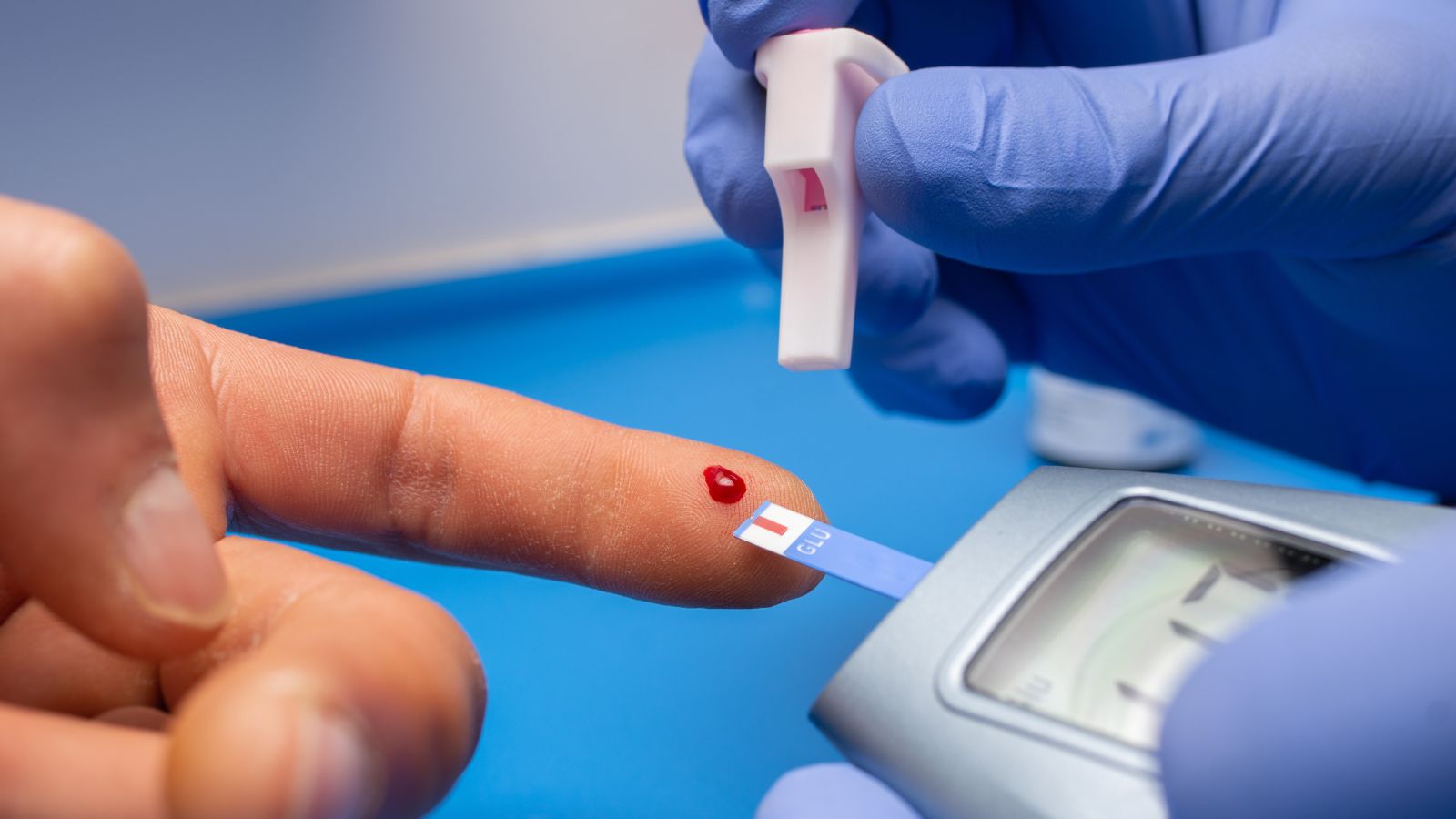 Insulin is essential for people with Type 1 diabetes, but an accurate diagnosis is crucial to ensure appropriate treatment. (Image Source: Freepik)
What if the diagnosis is uncertain
Dr Mishra says, “When a diagnosis is uncertain, doctors may reassess the patient’s medical history, blood glucose records, HbA1c, C-peptide levels and, where appropriate, diabetes-related autoantibodies to establish whether the body produces insulin and whether an autoimmune process is involved.”
Story continues below this ad
Importantly, anyone questioning a long-standing Type 1 diabetes diagnosis should seek an endocrinologist’s assessment.
“Insulin must never be stopped or reduced independently, as people with genuine Type 1 diabetes can develop diabetic ketoacidosis, a potentially life-threatening emergency, if insulin is withdrawn,” he warns.
Accurate diagnosis and regular medical review are essential to ensure that treatment remains safe, appropriate and tailored to the patient’s needs.
DISCLAIMER: This article is based on information from the public domain and/or the experts we spoke to. Always consult your health practitioner before starting any routine.

Leave a Reply