

If you are constantly thirsty and making frequent trips to the washroom, diabetes may seem like the obvious explanation. But high blood sugar is not the only possible cause.
One such non-diabetic internet user took to Quora seeking answers to their query: Why am I always thirsty and excessively urinating when doctors have told me I don’t have diabetes?
We decided to dig deeper and reached out to Dr Vineeta Singh Tandon, Senior Consultant – Internal Medicine, ISIC Multispeciality Hospital, who clarifies that, “Although diabetes is a common cause of excessive thirst and frequent urination, it is not the only one.
So what might be the reason behind this? Let’s find out more in detail below.
DISCLAIMER: This article is based on information from the public domain and/or the experts we spoke to. Always consult your health practitioner before starting any routine.
How do you know if you are drinking and urinating too much?
Before looking at the possible causes, it is important to determine whether you are actually urinating more frequently and feeling thirstier than usual.
“Most adults pass urine about six to eight times a day, though this varies,” Dr Tandon notes, adding that if thirst and urination are interfering with daily activities or sleep, medical advice should be sought.
Story continues below this ad
“A person may be drinking and urinating more than normal if they constantly feel thirsty, carry water everywhere, wake up repeatedly at night to urinate, or notice a significant increase in daily fluid intake.”
Keeping a record of how much fluid you consume and how often you urinate can also help your doctor assess the problem.
 Screenshot of the query posted on Quora
So what is causing it — too much water, caffeine or something else?
Frequent bathroom visits are often associated with more fluid and can indeed be one of the causing factors. “Yes, consuming large quantities of water, tea, coffee, energy drinks, or other beverages can increase urination.”
This is because caffeine acts as a mild diuretic, encouraging the body to produce more urine.
Story continues below this ad
“As more fluid is lost, some people may feel thirsty again and continue drinking, creating a cycle of frequent drinking and urination,” Dr Tandon notes.
Some other factors include dehydration, kidney disorders, certain medications, hormonal imbalances, excessive fluid intake, or conditions such as diabetes insipidus.
Why being a non-diabetic in this case is notable
Normal blood sugar does not rule out other causes of excessive thirst and urination.
“If diabetes has been ruled out, doctors may recommend urine tests, kidney function tests, electrolyte levels, blood calcium measurement, and tests to evaluate hydration and hormone balance.”
Story continues below this ad
But why? Dr Tandon explains that kidney disorders, for instance, may affect the body’s ability to concentrate urine, resulting in increased urine output and thirst.
Similarly, hormonal problems can also cause these symptoms, particularly diabetes insipidus, which affects the body’s fluid balance rather than blood sugar.
“Certain medications, especially diuretics used for blood pressure and heart conditions, may increase urination significantly.”
She further adds that certain psychiatric medications and treatments for swelling may also have similar effects. A review of a person’s medical history and medicines, along with appropriate laboratory tests, can help identify the cause.
Story continues below this ad
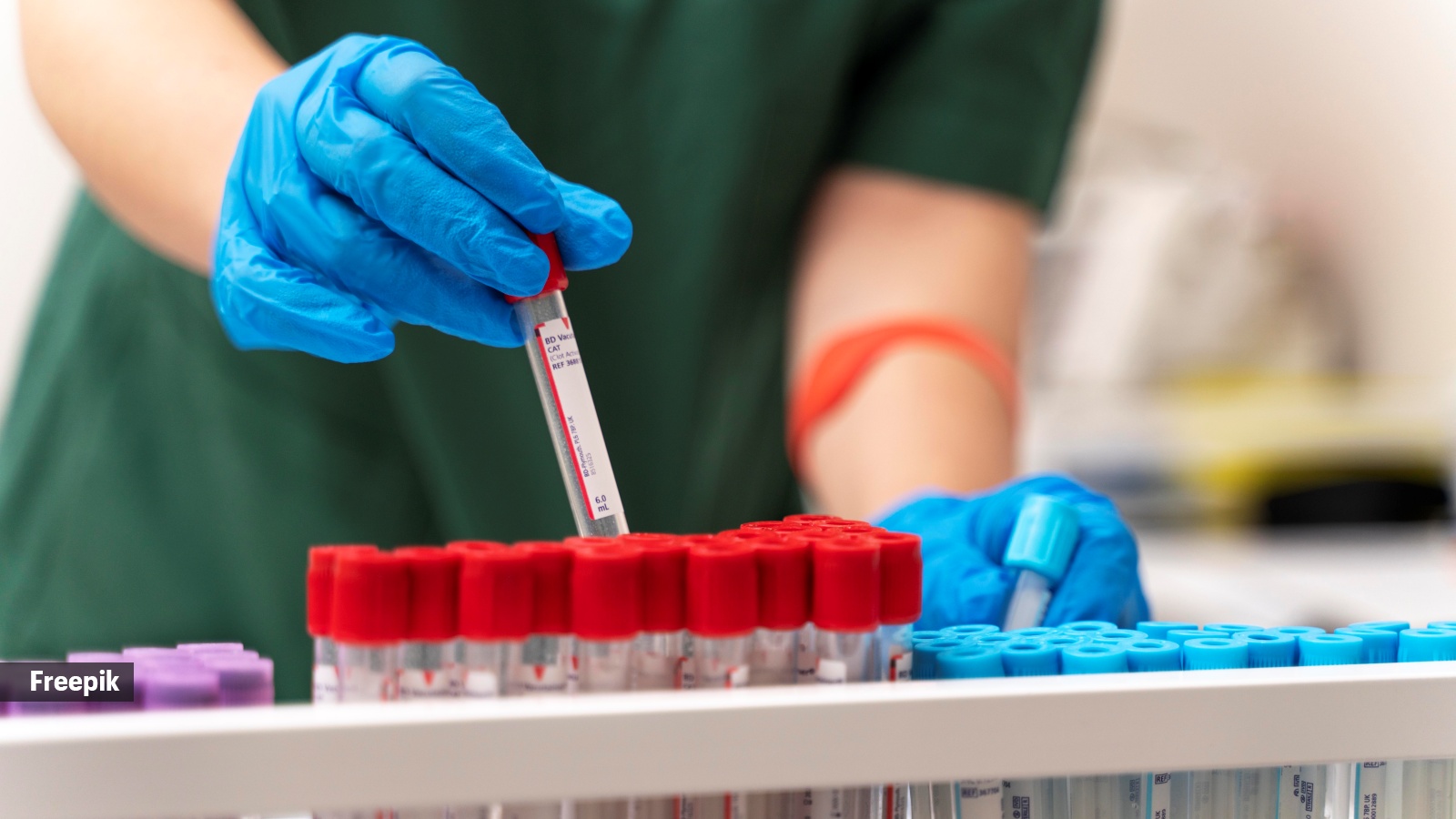 The choice of tests varies from person to person and is guided by medical history, examination findings, and the severity of symptoms (Freepik image)
What other symptoms should you look out for?
If excessive thirst and frequent urination continue for more than a few days without an obvious reason, interfere with sleep or daily activities, or are accompanied by other symptoms, it is advisable to consult a doctor.
Dr Tandon advises watching for unexplained weight loss, fatigue, weakness, dry mouth, dizziness, swelling in the legs, fever, burning during urination, blood in the urine, nausea, headaches or changes in vision.
Repeatedly waking up at night to urinate is also worth mentioning to a doctor, particularly if it is affecting sleep.
These accompanying symptoms can offer clues about whether the problem could be related to the kidneys, hormones, an infection, medication effects or another underlying condition.
Story continues below this ad
“Early assessment helps identify the cause and allows treatment before complications occur,” says Dr Tandon.
Depending on the symptoms, further investigations may include monitoring urine volume, checking urine concentration, an ultrasound of the kidneys and urinary tract, or specific tests for conditions such as diabetes insipidus.
“The choice of tests varies from person to person and is guided by medical history, examination findings, and the severity of symptoms,” Dr Tandon concludes.
DISCLAIMER: This article is based on information from the public domain and/or the experts we spoke to. Always consult your health practitioner before starting any routine.

Leave a Reply