

4 min readNew DelhiAug 28, 2026 04:57 PM IST
The gut microbiome is increasingly recognised as an important piece of the puzzle in metabolic health, but new research suggests there may be no one-size-fits-all gut profile. A recent study found that the gut microbiomes of South Asian populations differ from those reported in other parts of the world and are shaped by factors including diet, culture, geography and lifestyle.
The study analysed stool samples and lifestyle, dietary and health information from 575 healthy adults across 10 South Asian communities in India and Sri Lanka. Researchers found that different communities can follow distinct microbiome trajectories as lifestyles change, raising questions about whether nutrition and gut-health recommendations developed largely from Western populations are equally relevant to South Asians.
DISCLAIMER: This article is based on information from the public domain and/or the experts we spoke to. Always consult your health practitioner before starting any routine.
So, what does this mean for Indians trying to improve their gut health?
There may be no single definition of a ‘healthy’ gut. According to Dr Nishant Kurian, Consultant, Surgical Gastrointestinal & Oncology, PSRI Hospital, the findings highlight the importance of looking at gut health through a regional lens.
“The point is there may not be one formula for a ‘healthy gut’ that fits all,” Dr Kurian says. “Our regional diets, culture and environment influence Indian gut microbiomes.”
Instead of simply adopting dietary recommendations developed for Western populations, Indians may benefit from building meals around a diverse range of minimally processed foods.
“Nutrition should focus on diverse, minimally processed foods, sufficient fibre and traditional dietary patterns, not just copying Western dietary advice,” he says.
Story continues below this ad
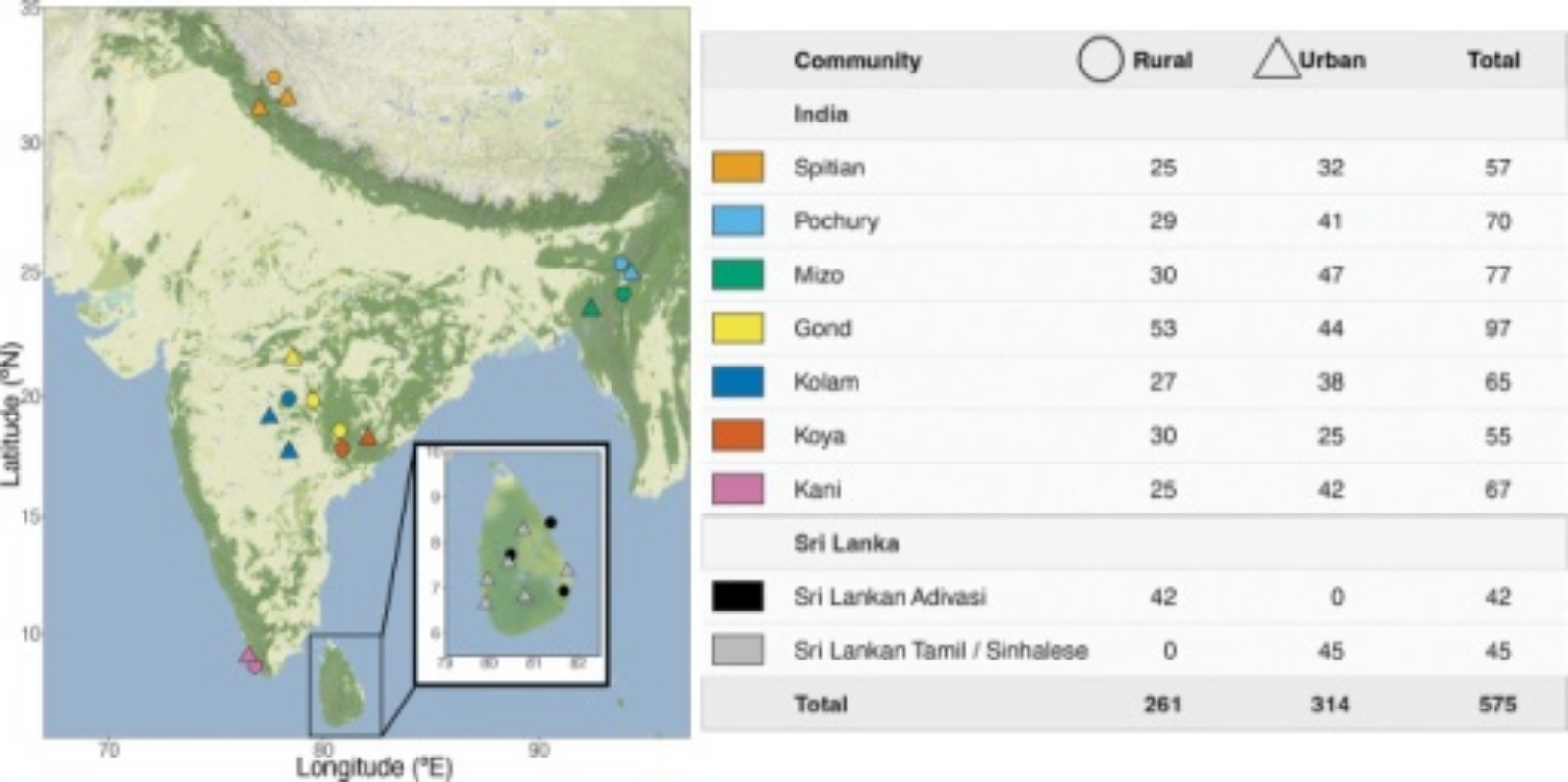 Photo of the survey (Source: PIB website)
How urbanisation can affect the gut
Dr Kurian points to several factors that could disrupt gut health, including greater consumption of ultra-processed foods and refined carbohydrates, lower fibre intake, physical inactivity, irregular meal timings and disrupted sleep patterns.
“There is also greater dependence on convenience food,” he says. The research found that urbanisation was associated with shifts in microbial communities, including lower microbial diversity and higher levels of some disease-associated taxa.
This does not mean that living in a city directly causes poor gut health, but the lifestyle changes that often accompany urbanisation may influence the microbiome.
Could this change how we approach diabetes and obesity?
The findings could eventually contribute to more targeted approaches to metabolic diseases among South Asians, particularly given the burden of conditions such as diabetes, obesity and cardiovascular disease in the region.
Story continues below this ad
“Possibly. The findings could help develop South Asian-specific strategies for diabetes, obesity and cardiovascular disease, rather than relying primarily on Western microbiome data,” Dr Kurian says.
However, the idea of using an individual’s gut microbiome to prescribe a highly personalised diet is still at an early stage.
Is personalised nutrition based on the microbiome ready?
While early research into microbiome-based personalised nutrition is promising, Dr Kurian says it is too soon to routinely use microbiome testing to determine individual treatment or dietary plans.
“Truly personalised nutrition is still developing,” he says. “Initial studies are promising, but larger, longer-term studies are needed before microbiome testing can be used routinely to guide individual treatment.”
Story continues below this ad
DISCLAIMER: This article is based on information from the public domain and/or the experts we spoke to. Always consult your health practitioner before starting any routine.

Leave a Reply