
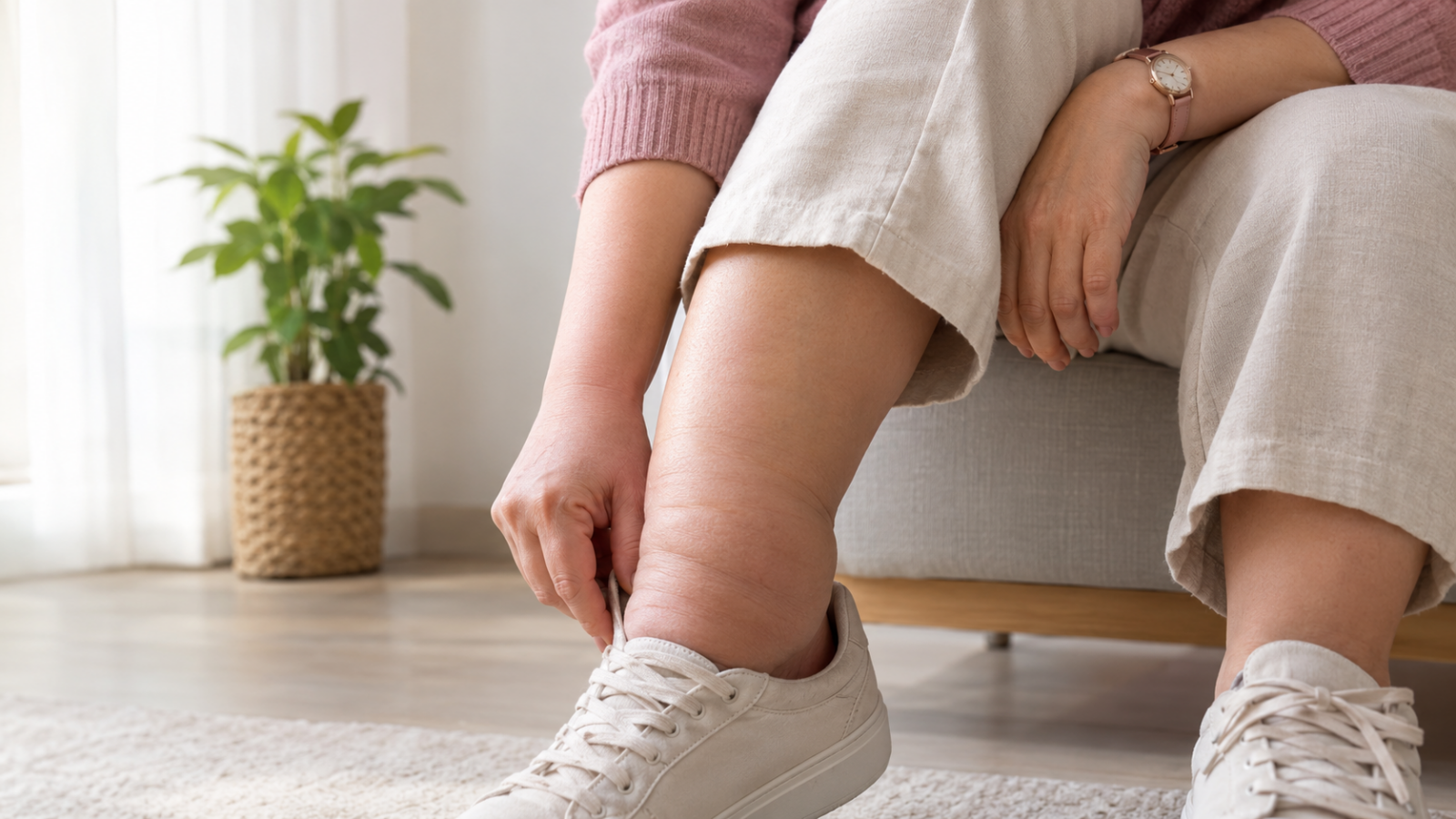
Cancer treatment can sometimes leave behind a problem that patients may not expect: persistent swelling in an arm, leg or another part of the body. It could be lymphedema, a condition that can develop months or even years after cancer treatment.
“Lymphedema is a chronic condition causing tissue swelling due to fluid buildup,” explains Dr Samarth Gupta, Consultant, Sr Plastic & Breast Reconstructive Surgery, Apollo Athenaa Women’s Cancer Centre.
The lymphatic system normally acts as a drainage network. It collects protein-rich fluid called lymph from tissues and returns it to the bloodstream. But when lymphatic vessels or nodes are damaged, blocked or removed, that drainage can be disrupted.
“When lymphatic vessels or nodes get damaged, blocked, or surgically removed, this drainage stalls,” Dr Gupta says.
“Trapped fluid builds up in nearby tissues, causing noticeable swelling, heaviness, skin tightness, and eventual tissue hardening, most commonly in the arms or legs.”
DISCLAIMER: This article is based on information from the public domain and/or the experts we spoke to. Always consult your health practitioner before starting any routine.
Why does cancer treatment cause lymphedema?
 Radiation therapy creates scar tissue that can narrow or block remaining lymphatic vessels
Cancer patients can be particularly vulnerable because treatment may directly affect the lymphatic system. During some cancer surgeries, lymph nodes are removed to check whether cancer has spread or to help prevent recurrence.
Story continues below this ad
“Cancer treatments can disrupt the body’s natural fluid drainage network,” says Dr Gupta. “Surgery often involves removing lymph nodes to check for cancer spread or prevent recurrence.”
Radiation can also affect lymphatic drainage. “Radiation therapy creates scar tissue that can narrow or block remaining lymphatic vessels,” he explains.
When these pathways are damaged or cut, lymph fluid may no longer have an adequate route out of the area. “With nowhere to go, fluid pools in surrounding tissues, leading to chronic swelling in nearby limbs or body areas,” Dr Gupta says.
Which cancer patients are more at risk?
Lymphedema is most commonly seen among survivors of breast, pelvic, head and neck, and skin cancers such as melanoma.
Story continues below this ad
The extent of lymph-node surgery matters too. “Surgery requiring extensive lymph node removal—such as axillary node dissection for breast cancer or groin node dissection for pelvic cancers—carries the highest risk,” Dr Gupta explains.
The risk can rise further when surgery is followed by radiation. “Combining surgical node removal with radiation therapy significantly increases susceptibility, as radiation causes scarring that further blocks fluid flow,” he says. Higher radiation doses and advanced cancer stages can also increase the overall risk.
What are the first signs?
One reason lymphedema can be easy to miss is that it does not necessarily appear immediately after treatment.
“Early signs can be subtle and may appear months or years after treatment,” says Dr Gupta.
Story continues below this ad
Survivors should watch for a persistent feeling of heaviness, tightness, fullness, or aching in an affected limb, hand, groin, or neck. A ring, bracelet, watch, item of clothing or shoe suddenly feeling tighter than usual can also be a clue. “Mild temporary swelling, skin that briefly retains an indent when pressed, or stiffness in nearby joints are key warning signs,” Dr Gupta says. Report any such changes to the treating team rather than ignore them.
Can the risk of lymphedema be reduced?
 Maintain a healthy weight and practice regular, gentle exercise to promote fluid movement and lower the risk of lymphedema
Lymphedema cannot always be prevented, but certain precautions may help lower the risk. Protecting the skin from cuts, scrapes, insect bites and burns is important because infections can put additional strain on the lymphatic system.
Dr Gupta recommends maintaining a healthy weight and doing regular, gentle exercise to encourage fluid movement. Depending on the individual’s situation, patients may also be advised to avoid blood draws, injections or blood pressure measurements on an affected limb.
Prevention can sometimes begin during cancer surgery itself. “Today, specialised centres can also perform preventive surgery (like prophylactic lymphovenous bypass) during initial cancer surgery to protect drainage pathways,” he says.
Story continues below this ad
Can lymphedema be reversed?
Once lymphedema develops, it cannot be completely cured, but early treatment can control swelling and prevent progression.
“Complete Decongestive Therapy (CDT)—combining manual lymphatic drainage massage, multilayer compression bandaging, custom garments, specialised exercises, and strict skin care—is the standard treatment,” Dr Gupta explains.
For some patients, surgery may also improve lymphatic drainage. “For eligible patients, advanced supermicrosurgical options like Lymphovenous Bypass (LVB) or Vascularized Lymph Node Transfer (VLNT) can help restore natural fluid flow,” he says.
The key is to recognise the changes early. With consistent and multidisciplinary care, Dr Gupta says, “survivors can effectively manage symptoms and preserve their quality of life.”
Story continues below this ad
DISCLAIMER: This article is based on information from the public domain and/or the experts we spoke to. Always consult your health practitioner before starting any routine.

Leave a Reply