
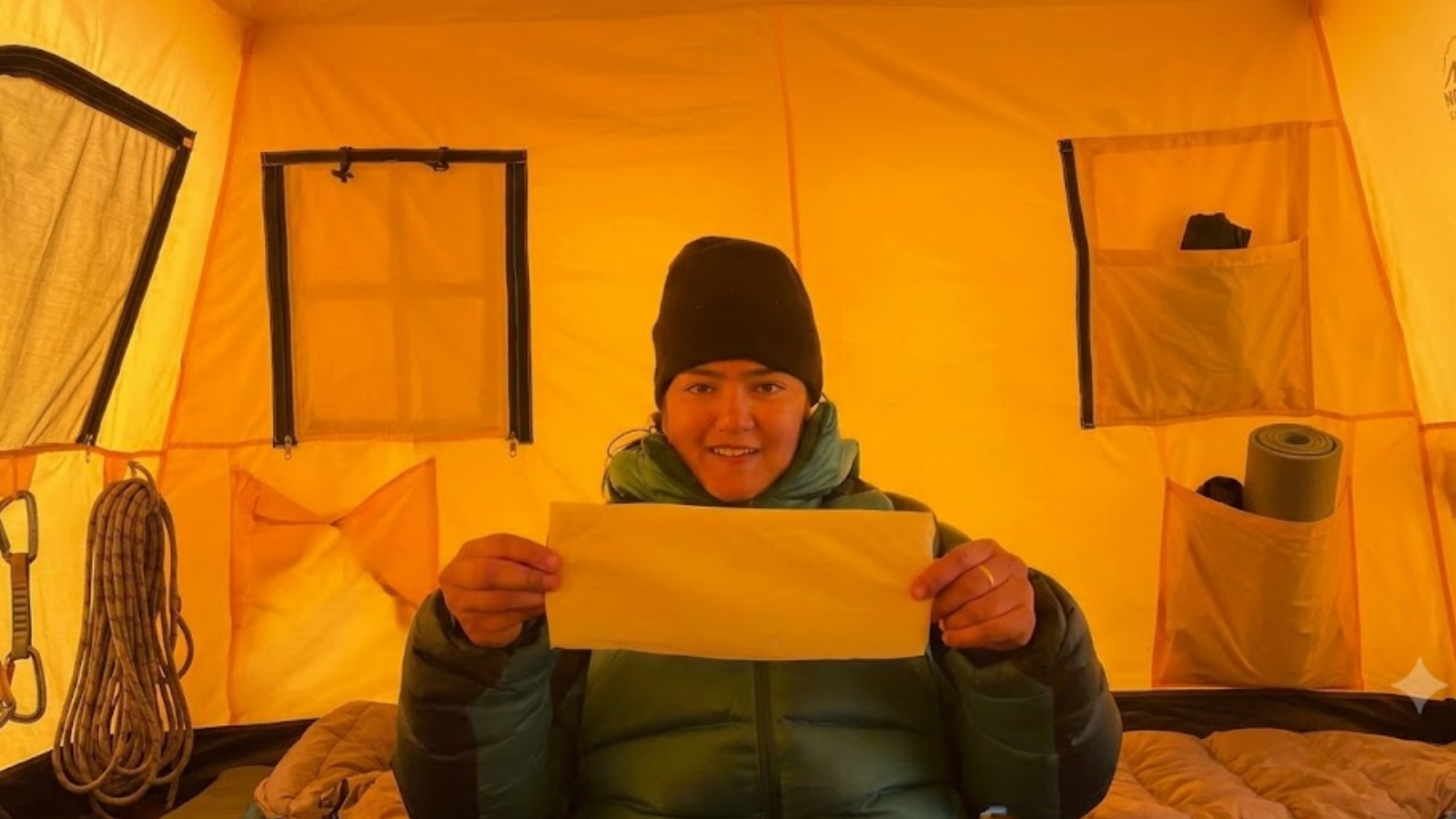
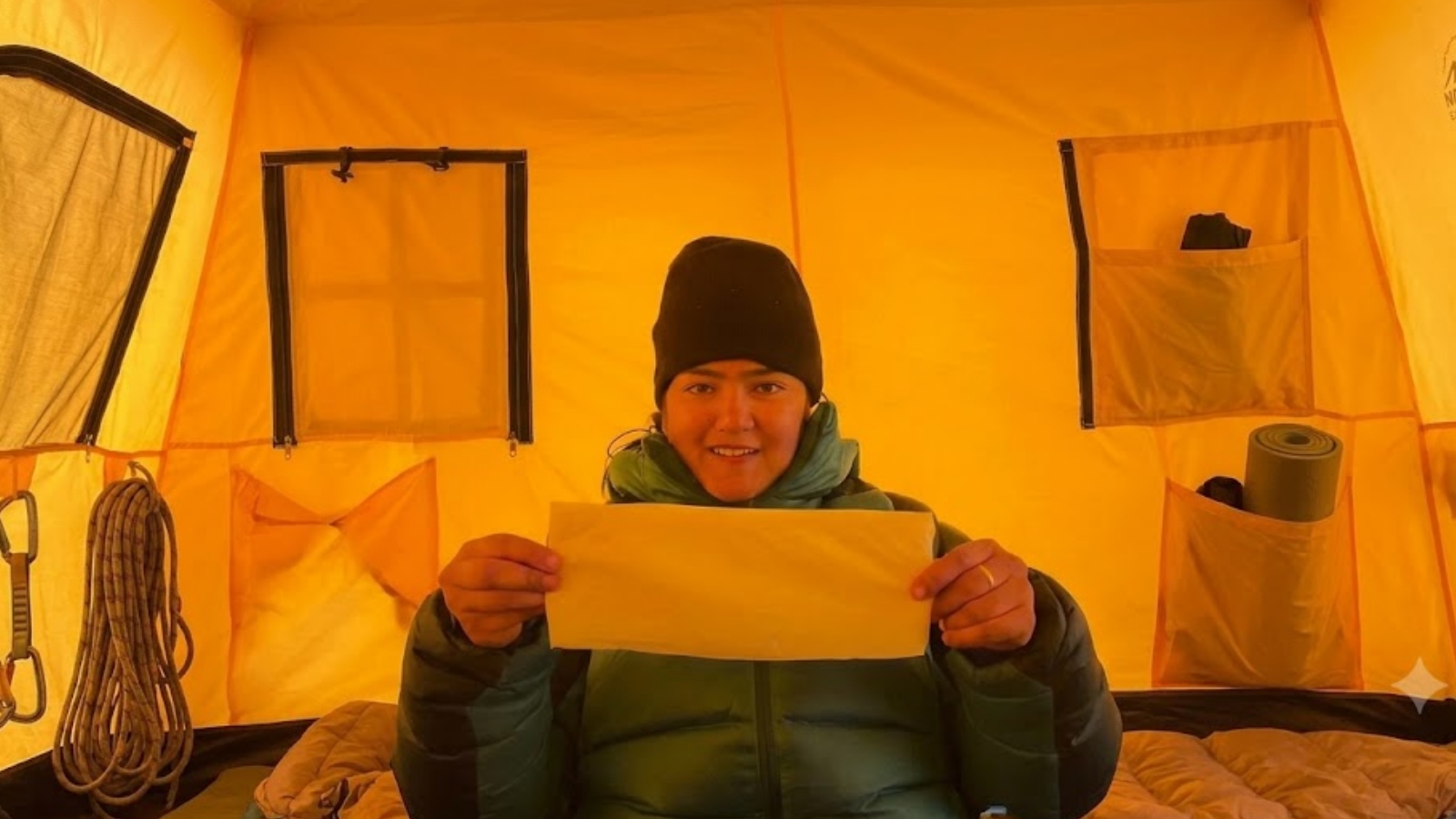
Mountaineer Yogeshwari faced an unexpected challenge while climbing Mount Nun in Ladakh: her period arrived earlier than expected, and the camp had no sanitary pads. She improvised by using tissue paper secured with medical tape.
Her experience highlights a practical concern for women undertaking high-altitude expeditions, where access to menstrual products, clean water and toilets may be limited. While an unexpected period doesn’t automatically stop a trek, improvising with unsuitable materials can cause discomfort and skin irritation.
So, what should women do if their period arrives unexpectedly in a remote location, and how can they prepare for menstrual hygiene during an expedition?
DISCLAIMER: This article is based on information from the public domain and/or the experts we spoke to. Always consult your health practitioner before starting any routine.
Can you use makeshift menstrual products on a trek?
In an emergency, a clean, soft, absorbent cloth can serve as a temporary external alternative to a sanitary pad. Vaibhav Kala, founder and director of Aquaterra Adventures, suggests using a folded cotton T-shirt, bandana or clean cloth, or gauze from a first-aid kit wrapped in cloth.
However, use these alternatives only temporarily and change them frequently. Kala advises changing the material every three to four hours, or sooner if it becomes wet or saturated, maintaining hand hygiene and informing the trip leader so that assistance can be arranged.
Dr Archana Dhawan Bajaj, gynaecologist and IVF expert at Nurture Clinic, cautions against relying on tissue paper secured with medical tape.
Story continues below this ad
“Tissue paper will soak up menstrual blood, become wet and break down or slide off,” she explains. This can cause leakage and leave the skin exposed to prolonged moisture. Friction, dampness and adhesive materials can also irritate sensitive skin.
If tissue paper is the only immediately available option, use it only as a temporary external measure until you can get a suitable product. Never insert tissue paper into the vagina or apply adhesive tape to genital skin. Avoid using dirty cloth, leaves, sand, ash or other materials that may introduce dirt or cause irritation, she explains.
How can women prepare for periods during high-altitude expeditions?
Kala recommends carrying more menstrual supplies than you expect to need, as periods may arrive unexpectedly during an expedition. A practical checklist includes:
* Menstrual products: Carry enough sanitary pads, tampons or menstrual underwear for the entire trek, along with extras.
* Spare underwear: Pack additional pairs to change into if clothing becomes damp or stained.
* Hand hygiene supplies: Carry hand sanitiser and suitable wipes for situations where washing facilities are unavailable. Sanitiser should not be used on genital tissue.
* Sealable bags: Keep opaque, sealable bags for carrying used products until they can be disposed of appropriately.
* Period pain medication: Carry medication recommended or approved by your doctor, taking into account your health and the demands of high-altitude travel.
Menstrual cups may be useful for some trekkers because they can be worn for longer periods than many disposable products and generate less waste. However, they require clean hands and appropriate cleaning facilities. Kala recommends trying a cup at home before relying on it on an expedition, particularly if access to clean water will be limited.
Story continues below this ad
Trek operators also play a role. Kala says expedition first-aid kits and group supplies should include sanitary pads, while organisers should plan for privacy, hygiene and the safe disposal of menstrual waste.
Can high altitude and strenuous exercise affect your period?
Dr Bajaj explains that stress, fatigue, dehydration, inadequate nutrition and overexertion may interfere with the hormonal signals between the brain and ovaries that regulate menstruation. Changes in sleep patterns and the increased energy demands of prolonged climbing may contribute to these disruptions.
As a result, some women may experience periods that arrive earlier or later than expected, changes in menstrual flow or variations in cramping.
However, altitude alone does not necessarily cause menstrual irregularities. The impact depends on several factors, including the duration and intensity of the expedition, the individual’s health, nutritional intake and how the body responds to the conditions.
Story continues below this ad
Women planning high-altitude treks should track their menstrual cycles, carry adequate supplies and prioritise hydration, sufficient food and rest.
Dr Bajaj also advises seeking medical evaluation if periods become persistently irregular or stop altogether, as these changes may indicate low energy availability or another underlying health concern.
How can you reduce the risk of irritation or infection?
Dr Bajaj recommends using the cleanest available absorbent material externally if no proper menstrual product is accessible. Change it frequently, and reuse cloth only after washing it safely and drying it completely.
Avoid inserting improvised materials into the vagina and keep adhesive tape away from sensitive genital skin. Change out of wet underwear when possible and use clean hands when handling menstrual products. Persistent itching, abnormal discharge, worsening pain, fever or other concerning symptoms warrant medical attention.
Story continues below this ad
What should you do with used menstrual products on a mountain?
Disposal is another important consideration during remote expeditions. Pack out used pads, tampons, wipes, and other disposable products in sealed bags and dispose of them according to local rules.
Do not leave menstrual waste on trails or at campsites, and do not bury or burn it unless an authorised waste-management protocol specifically permits the practice.
DISCLAIMER: This article is based on information from the public domain and/or the experts we spoke to. Always consult your health practitioner before starting any routine.

Leave a Reply