
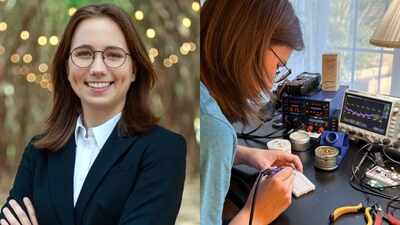
At an age when most teenagers might have their minds on crushes, fashion or the latest album releases, Shreveport resident Maya Trutschl was thinking about a problem in hospital ICUs: how to stop bedsores before they appear.In the ICU, patients lie motionless for hours. Their skin may show no signs of damage. But beneath the surface, tissue is already breaking down. By the time a nurse notices the wound, the invisible injury has already begun. The 18-year-old decided to fix this. And she did! The teenager has just won a $25,000 Davidson Fellows Scholarship for engineering a system that detects pressure injuries before they become visible.“I am profoundly honoured to be recognised as a Davidson Fellow and to become part of such an inspiring community of curious, dedicated young people,” Maya Trutschl said in a statement. “This achievement motivates me to continue pursuing research, and I hope it encourages other students to chase even the smallest questions that fascinate them.”
The silent injury nobody talks about
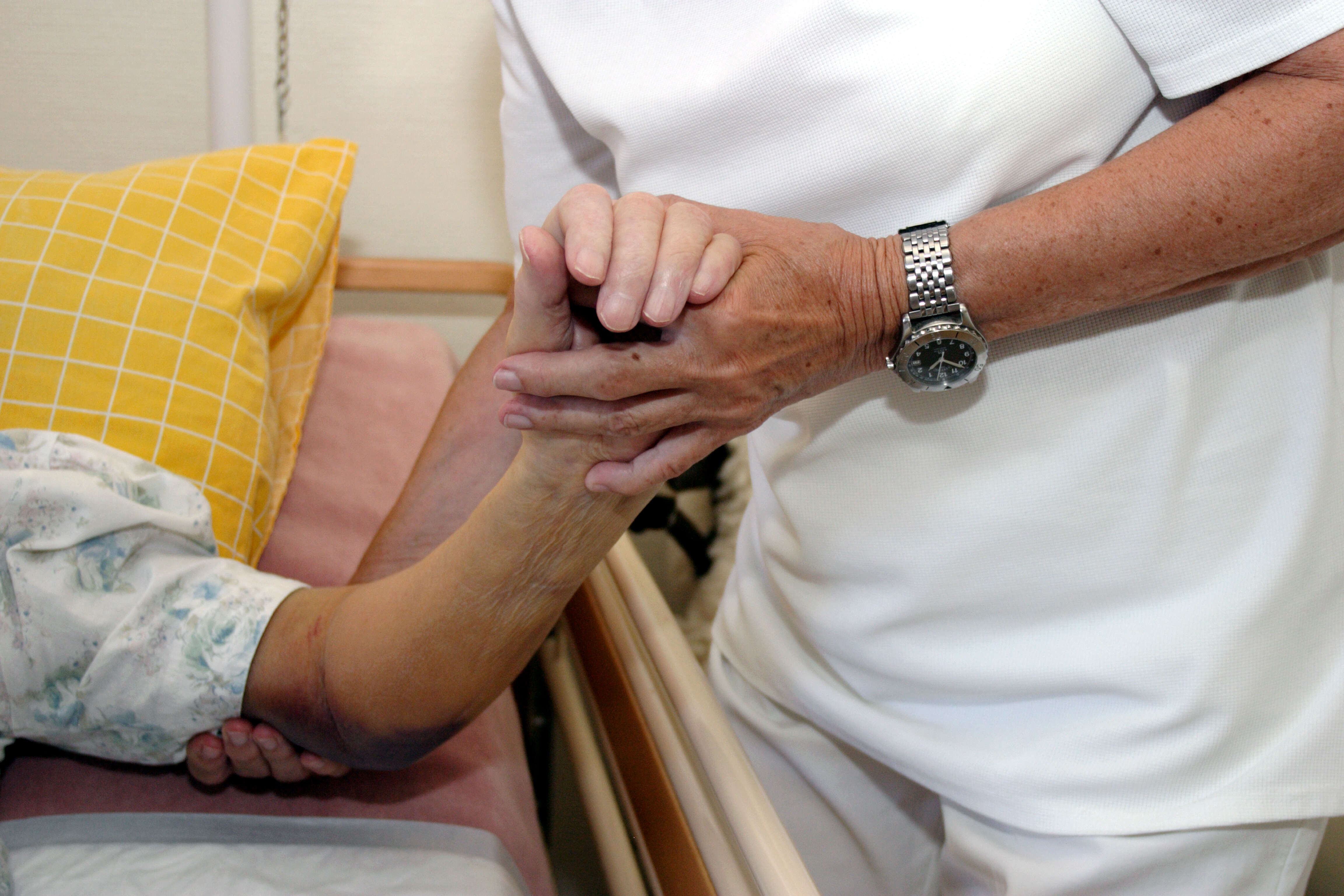
Bedsores may not always seem like an urgent health problem, but pressure injuries contribute to an estimated 60,000 deaths in the US each year. About 2.5 million Americans develop bedsores annually, according to the Cleveland Clinic. These injuries also cost the healthcare system more than $26 billion. The problem is not limited to patients in intensive care units (ICUs). People with limited mobility at home can also develop bedsores, including those who are homebound and cared for by family members without medical training. Many patients who are most vulnerable may also be unable to speak up about their discomfort or need for movement. To prevent bedsores, patients are usually repositioned at fixed intervals. Even a small delay or a missed repositioning can increase the risk of a pressure injury. The challenge is that visible signs may appear only after damage has already begun beneath the skin. By the time a pressure injury becomes visible, subdermal tissue may have started to deteriorate, leaving less time to prevent permanent damage.
Using machine learning and thermal cameras
Maya Trutschl built a solution for this problem, and it addresses two problems. A computer programme predicts the risk of pressure injuries, while a thermal camera monitors the patient’s position and alerts the nurse when intervention is required.First, she built a machine learning model using the MIMIC-IV dataset, a real-world collection of ICU patient records. The dataset was severely imbalanced, containing about 3,900 pressure ulcer cases against 90,000 negative outcomes. She combined SMOTE oversampling with undersampling and tested 10 classification models to prevent her predictions from ignoring the rare but critical cases.
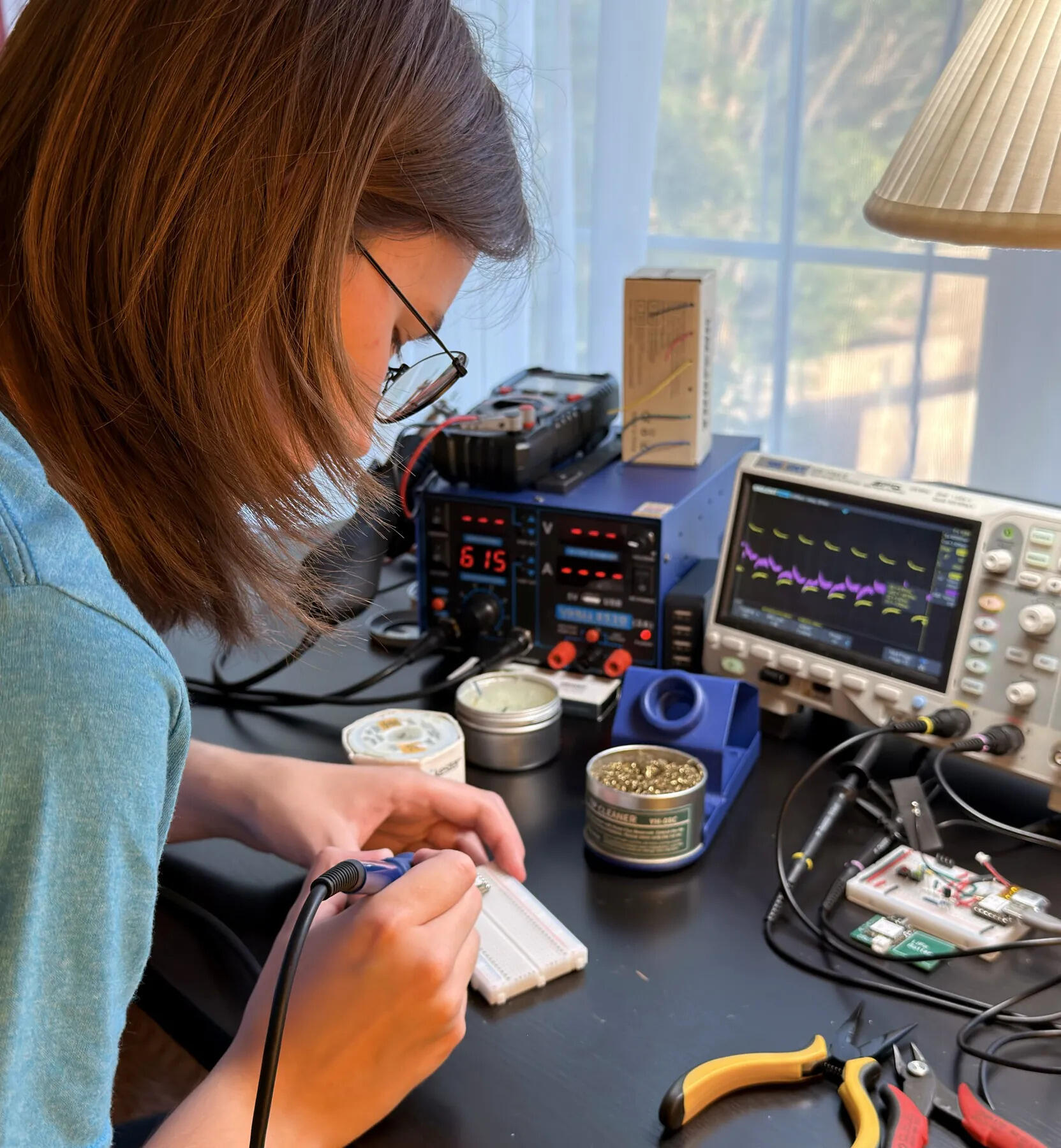
The second piece is the hardware. She set up a thermal-sensing camera that costs less than $130. This camera automatically monitors whether a patient stays in one position for too long. When movement is needed, it alerts nurses. In busy units, this alert has a significant impact.
The best part about this innovation is its accuracy. “I tested it on real patients in a hospital ICU for more than 150 hours, where it tracked patient positioning with more than 99% accuracy. In short, my project catches an invisible injury before it starts, protecting patients and freeing nurses to spend their time where it’s needed most,” Trutschl said.Maya Trutschl will attend the Massachusetts Institute of Technology this autumn. She plans to study aerospace engineering or computer science. She wants to continue building intelligent systems that solve ‘meaningful problems’. She secured the first spot in Embedded Systems at the Regeneron International Science and Engineering Fair and has been recognised as a 2026 Regeneron Science Talent Search Scholar and National STEM Festival Champion. The teen has also published her research at an international conference in Copenhagen. While in high school, she founded a Girls Who Code club to bring computer science education to local middle school girls. She also leads The Unity Network, an international research mentoring organisation that provides high school students with free resources, mentorship and opportunities to prepare for science competitions.Beyond research, she is a competitive swimmer. She likes to bake in her free time. “I bake everything from cookies to full cakes. I love that it’s a way to wind down and to be creative.”

Leave a Reply