
3 min readNew DelhiApr 25, 2026 03:00 PM IST
With the fast-paced lifestyles, dotted with polluted and adulterated food, hair quality has been the first to take a hit. Internet, magazines, newspapers, podcasts — everything is flooded with hair remedies that’ll help you achieve that perfect hair.
One such post from a beauty brand recently discussed blood tests that could help “save your hair”. The carousel suggested that the root cause of lifeless hair is “internal” and won’t solve until you treat it. The post suggested a couple of blood tests including iron, vitamins, and hormone tests.
DISCLAIMER: This article is based on information from the public domain and/or the experts we spoke to. Always consult your health practitioner before starting any routine.
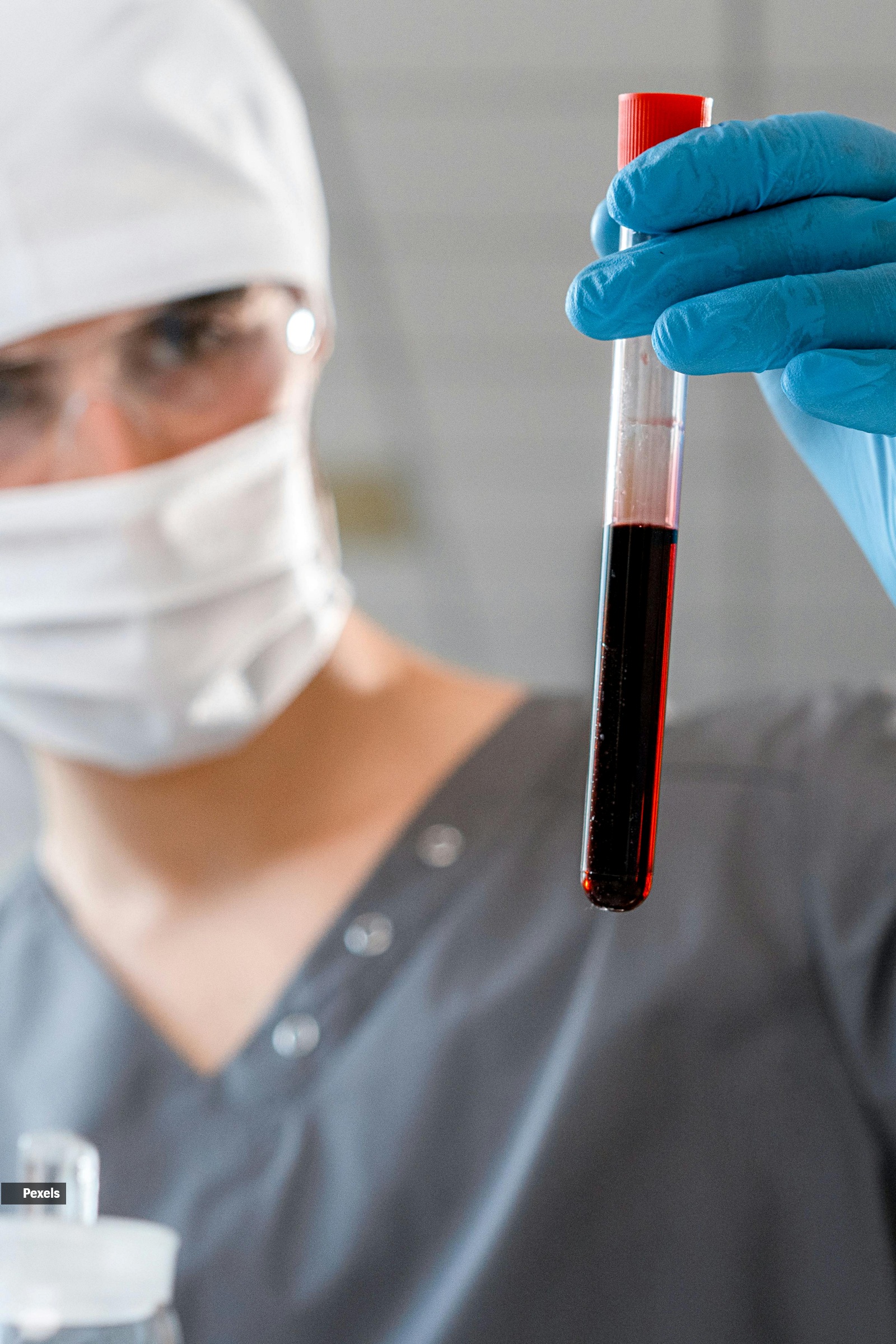 Blood tests can help identify root causes of hair loss, making treatment more effective and personalized (Image: Pexels)
Intrigued we decided to find out whether these are actually beneficial or just too good to be true.
“Hair health is closely linked to what is happening inside the body,” confirms Dr Shitij Goel, Senior Consultant – Dermatology at ShardaCare Healthcity, while adding that many hair problems indeed stem from internal deficiencies or hormonal imbalances.
“Blood tests help identify these hidden causes and allow targeted treatment rather than guesswork,” the dermatologist further adds. Here’s what he has to say for the recommended tests from the internet post.
1. Iron
Iron deficiency, commonly seen in women, can significantly impact hair. “Iron plays a key role in carrying oxygen to hair roots through red blood cells,” Dr Goel explains. When levels dip, hair follicles do not get enough oxygen and nutrients, pushing them into a “resting phase” and leading to increased hairfall. As per Dr Goel, this is especially common in women with heavy periods or poor dietary intake.
2. Vitamins: D, B12, Zinc
Deficiencies in Vitamin D, B12, and Zinc can also show up in your hair. According to Dr Goel, Vitamin D supports the formation of new follicles, B12 ensures proper oxygen delivery to the scalp, and Zinc aids in tissue repair and oil gland function around the follicles. “Deficiency in any of these can result in thinning, slow hair growth, and increased shedding,” the dermatologist cautions.
Story continues below this ad
3. Hormones (Thyroid and Androgens)
Hormonal imbalances, especially related to thyroid and androgens, are another major factor. “Both hypothyroidism and hyperthyroidism can cause diffuse hair loss,” he notes, while androgen imbalances may influence hair growth patterns, potentially leading to “pattern baldness or excessive hair thinning”
So, do these tests “save” your hair? Not exactly—but they can point you in the right direction. As Dr Goel sums up, these tests don’t directly fix hair fall, but they help uncover the root cause, making treatment more precise and effective rather than trial-and-error.
DISCLAIMER: This article is based on information from the public domain and/or the experts we spoke to. Always consult your health practitioner before starting any routine.

Leave a Reply