
4 min readNew DelhiApr 25, 2026 03:00 PM IST
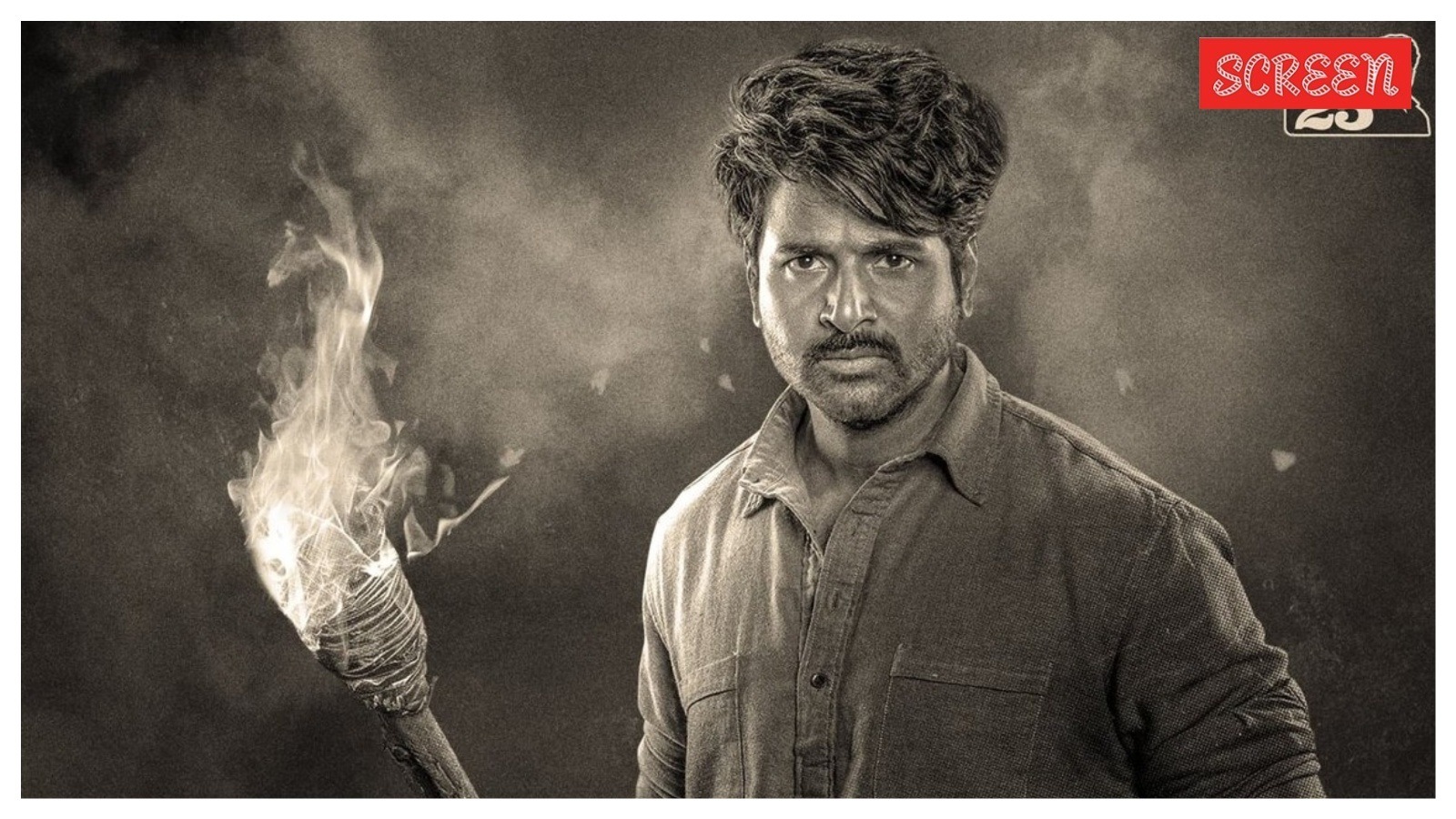
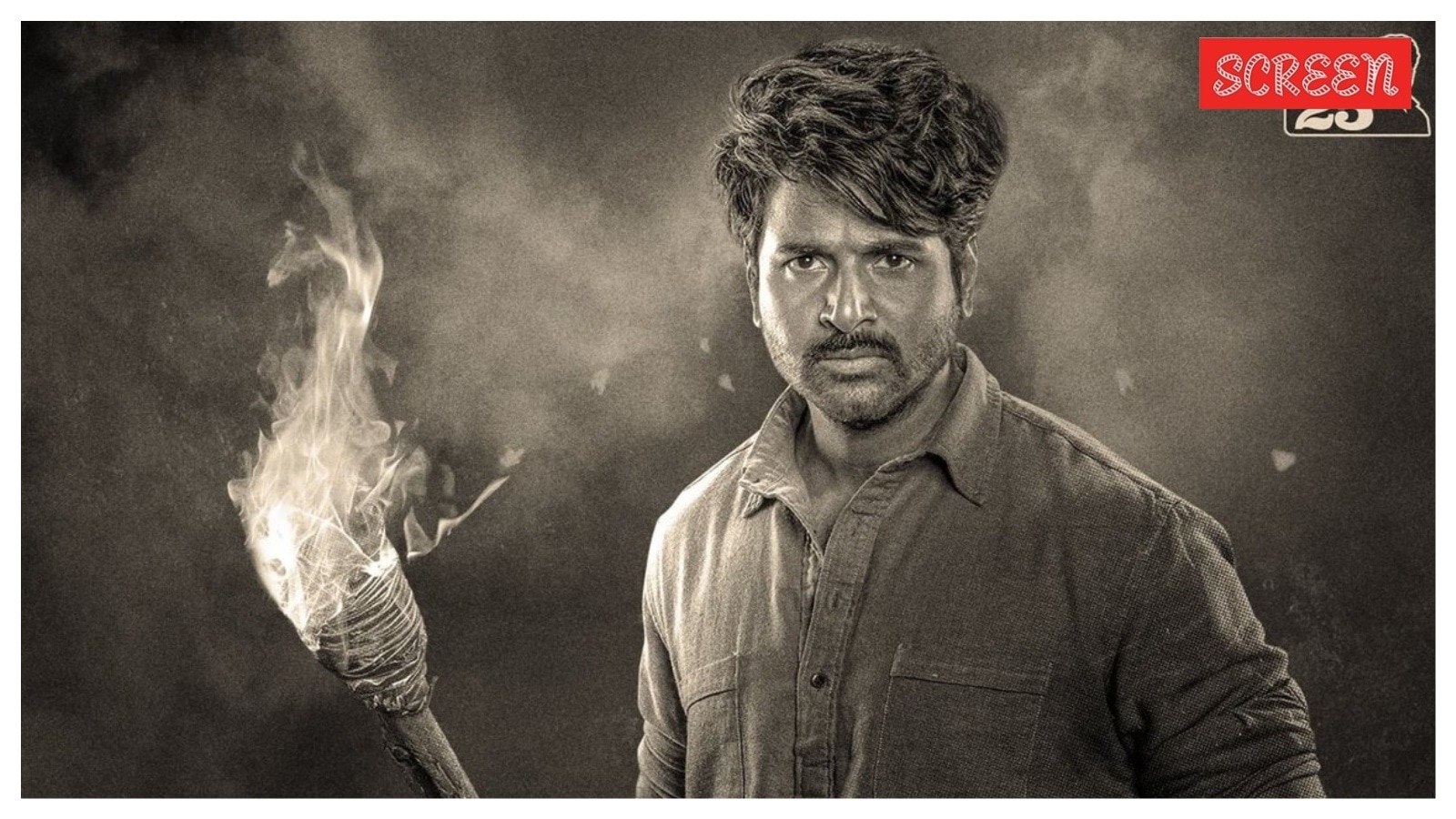
In January, Parasakthi was among the major Pongal releases alongside Jana Nayagan. While both films struggled to obtain censor certificates until just hours before their scheduled release, Parasakthi eventually secured clearance—albeit with over 20 modifications—where as Jana Nayagan continues to remain in limbo. Despite enjoying a solo festival-window release, Parasakthi, reportedly made on a budget of Rs 150 crore, earned only around Rs 85 crore at the box office. Yet, its producer did not suffer losses. The reason? A profit-sharing model.
‘Sivakarthikeyan is reviving profit-sharing model’
Producer G Dhananjayan recently spoke about the film’s financial structure in an interview, praising Dawn Pictures—the production house behind Parasakthi—for adopting what he called a smart model that protects producers from losses. He also credited Sivakarthikeyan for reviving a system once associated with Rajinikanth, who famously took only a token signing amount upfront and collected the rest based on the film’s eventual performance.
“I think Sivakarthikeyan is trying to bring back the profit-sharing practice that was once initiated by Rajinikanth,” Dhananjayan told Cinema Strategist.
Explaining how the model worked for Parasakthi, he said, “The producer handled things very smartly. For example, if he was supposed to pay Rs 50 crore to Sivakarthikeyan, he paid only half upfront and the rest was to come after release from the film’s business. The same arrangement was proposed to Ravi Mohan and the director as well.”
He added, “If the film flops, none of them can demand more money. This way, the producer does not bleed—he breaks even on his investment. Had full salaries been paid, Parasakthi would have caused a loss of Rs 50 crore to the producer. Now Sivakarthikeyan is doing his next film with the same formula.”
ALSO READ | Rihanna says ‘shukriya’ to eager Mumbai fans, poses warmly with a paparazzo. Watch
‘Actors are now turning into creative producers’
Dhananjayan also cited actor Jiiva’s approach for his upcoming film Thalaiva Thambi Thanimaiyil, where the actor is also serving as creative producer.
Story continues below this ad
“Jiiva and the director told the producer that he would work as creative producer as well, making him a stakeholder. He will be fully involved—finish the film, bring it out, market it, and help make it a success. This is a huge commitment. In a profit-sharing model, the actor has no choice but to stay fully committed because his earnings depend on the film making money.”
According to Dhananjayan, the model also changes how stars participate in promotions.
“If you pay actors their full salary upfront, they start imposing rules—‘I will come for only five days,’ ‘I may attend the audio launch,’ ‘I won’t give interviews.’ Because then they think only as actors. But when it’s profit-sharing, they break all the rules and promote the film actively.”
‘Half salary means stressfree producers’
He further explained how the system reduces financial pressure on producers: “Once the budget burden comes down, producers feel relief. If a film’s total budget is Rs 75 crore and profit-sharing reduces that by Rs 25 crore, the producer’s loan requirement goes down. Lower loans mean lower interest, which helps the producer recover costs faster and reach profitability sooner. Then the producer can make more films without constant financial stress.”
Story continues below this ad
‘Transparency is the key’
However, Dhananjayan stressed that transparency is essential for the model to work long-term.
“For producers to bring in profit-sharing, actors must trust that they won’t be cheated in terms of numbers,” he said.
Using Dream Warrior Pictures—known for films like Kaithi and Theeran—as an example, he added, “Their success comes from being transparent with actors. They explain the production cost in detail. Since the actor becomes a stakeholder, he has to know the cost of the film. Actors are aware of daily spending and the total budget. Later, producers share revenue deals and offers with them so they can decide together what will bring more profit. Then actors start contributing ideas, contacts, and resources.”

Leave a Reply