
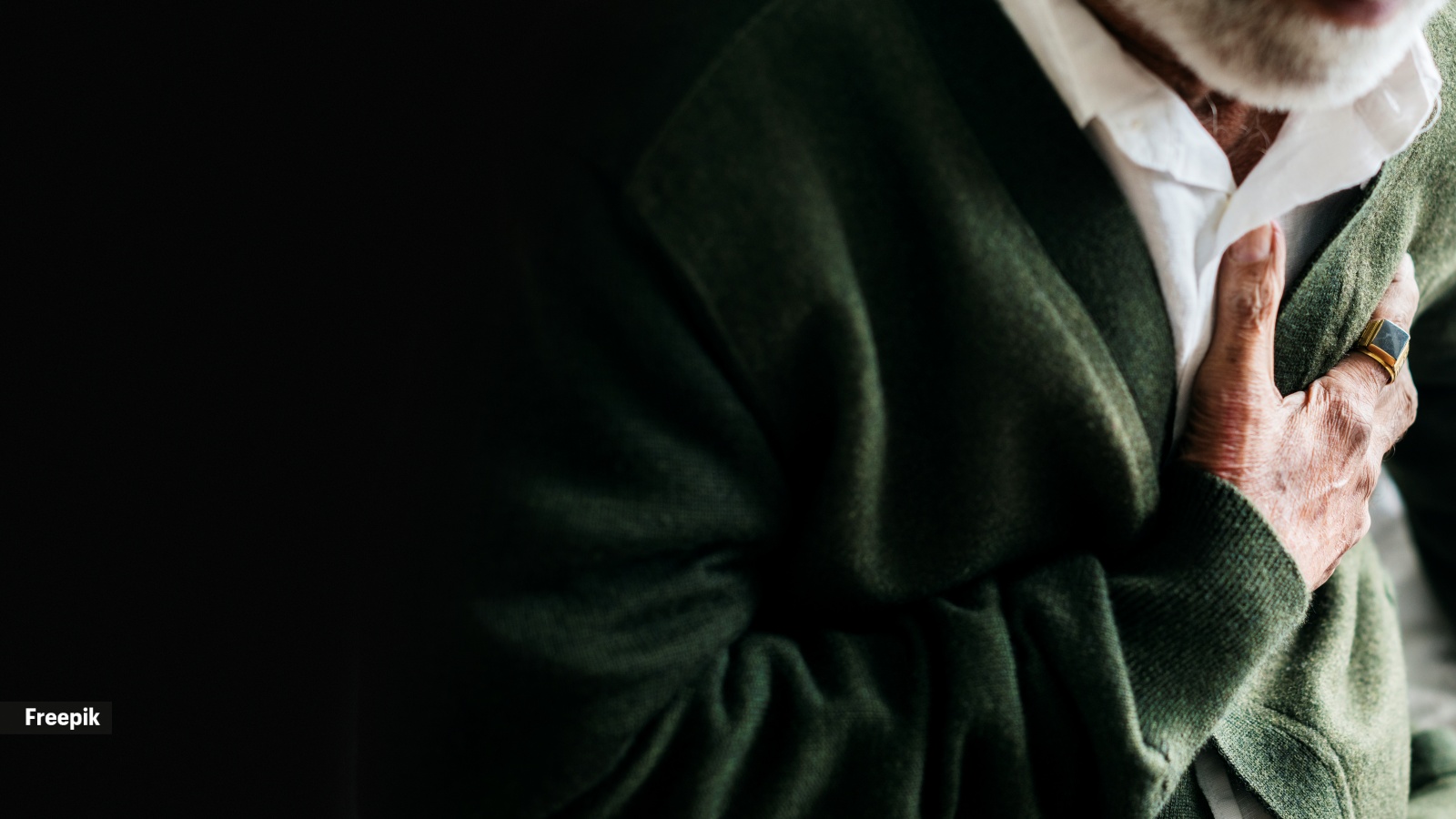
Getting tired more easily, feeling breathless after a short walk or slowing down physically can seem like an inevitable part of getting older. But it can get particularly concerning when you learn that the symptoms are actually linked to the heart.
“Many heart-related symptoms in older adults develop gradually and can resemble common signs of ageing, such as tiredness, reduced stamina, breathlessness, or slower mobility,” Dr Aseem Dhall, Director & HOD, Cardiac Sciences, ISIC Multispeciality Hospital, told indianexpress.com, adding that as a result, both patients and family members may assume these changes are “simply a natural part of getting older.”
But persistent changes in stamina, breathing or day-to-day functioning can sometimes point to an underlying heart condition. The heart’s ability to pump blood efficiently may decline because of disease, and overlooking symptoms can delay the diagnosis and treatment of conditions such as heart failure, coronary artery disease or abnormal heart rhythms.
When ‘I’m just getting older’ may not be the whole story
Not every episode of tiredness or breathlessness means there is a heart problem. But a new or noticeable change from an older person’s usual routine deserves attention.
Dr Dhall lists unusual tiredness, breathlessness while walking short distances, swelling in the feet or ankles, dizziness, reduced ability to exercise, frequent fatigue and unexplained weakness among the symptoms that can be mistaken for normal ageing.
Families may also notice subtler changes they don’t immediately associate with the heart. “Some older adults may also experience disturbed sleep, loss of appetite, or difficulty carrying out routine daily activities.”
These symptoms can sometimes be early warning signs of heart failure, blocked arteries, valve disease or other cardiovascular conditions.
Story continues below this ad
For instance, if someone who could previously walk to the market, climb a few stairs or manage household activities comfortably now gets unusually tired or breathless doing the same things, it is worth asking why rather than automatically blaming age.
Delay in treatment adds to the complications. Some may go unnoticed when there is no one regularly monitoring their wellbeing.
“Isolation, neglect, and inadequate family support can significantly delay healthcare-seeking behaviour among older adults, particularly those who have become financially dependent,” Parteep, COO, HelpAge India tells indianexpress.com.
 Breathlessness while walking short distances, or swelling in the feet or ankles can also be hidden signs (Envato image)
A heart attack may not always look like one
When most people think of a heart attack, they picture severe or crushing chest pain. Older adults, however, may not always have this classic symptom.
Story continues below this ad
“Unlike younger individuals, older adults may not always experience classic crushing chest pain during a heart attack,” Dr Dhall clarifies.
Instead, they may experience sudden breathlessness, extreme fatigue, dizziness, nausea, vomiting, unusual sweating, confusion or weakness. The discomfort may also be felt in the jaw, neck, back, shoulder or arms.
“Some may simply feel unwell without being able to explain why,” he adds.
That vague feeling of being unwell can be particularly easy to dismiss in an older person, especially if there is no obvious chest pain. But sudden or unexplained symptoms should not be ignored, as early medical evaluation is important.
Story continues below this ad
“This highlights the need to bring preventive healthcare closer to older adults through regular screenings, blood pressure monitoring, basic diagnostics, and timely referrals,” says Prateep.
Which symptoms need urgent attention?
Dr Dhall’s advice is straightforward: “Any sudden or unexplained symptom should be taken seriously in an older adult.”
This includes new-onset breathlessness, chest discomfort, fainting, severe dizziness, a rapid or irregular heartbeat, unexplained sweating, confusion, sudden weakness, swelling in the legs or a significant decline in physical activity.
Some symptoms may also indicate a neurological emergency. “Symptoms such as difficulty speaking, facial drooping, or weakness on one side of the body also require urgent attention,” Dr Dhall says.
Story continues below this ad
The important distinction is between a gradual, familiar change and a new, unexplained or worsening symptom. Getting older can naturally change how much a person can do, but it should not become a reason to overlook a significant change in their health.
If an older adult suddenly becomes breathless, weak, dizzy, confused or unable to carry out routine activities as usual, prompt medical evaluation is safer than assuming it is simply “old age”.
DISCLAIMER: This article is based on information from the public domain and/or the experts we spoke to. Always consult your health practitioner before starting any routine.

Leave a Reply