
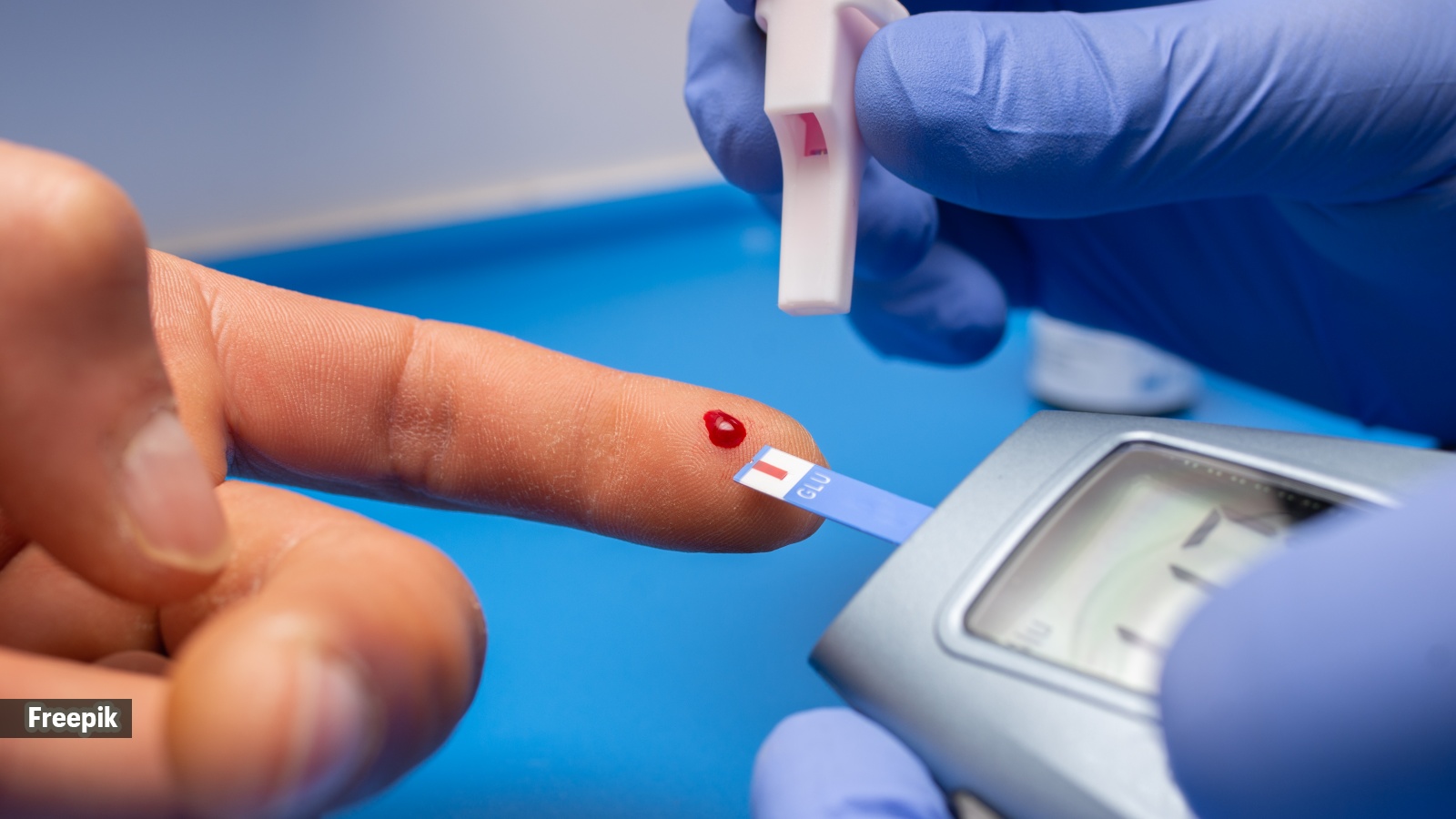
Which is more dangerous for the body: low or high blood sugar? The answer isn’t quite as simple as looking at which number is higher or lower. Both can cause serious problems, but they affect the body differently and can become dangerous at different speeds.
This was the concern behind a question posted on Quora: “Which is more dangerous for the human body between low blood sugar and high blood sugar?”
We decided to dig deeper and spoke to Dr Rajiv Kovil, Diabetes & Obesity Specialist at Zandra Healthcare, to understand what happens when blood sugar drops too low or rises too high, and when either situation requires urgent medical attention.
DISCLAIMER: This article is based on information from the public domain and/or the experts we spoke to. Always consult your health practitioner before starting any routine.
Low blood sugar can become dangerous within minutes
 In jypoglycaemia, a person can progress from mild symptoms to confusion, seizures or unconsciousness within minutes
“Both can be dangerous, but low blood sugar is usually the more immediate threat,” says Dr Kovil.
The brain depends heavily on glucose circulating in the blood. When glucose falls, the body can initially respond with symptoms such as hunger, sweating, trembling and palpitations. But if it drops further, the brain does not get enough glucose to function normally.
“Hypoglycaemia can deteriorate within minutes,” says Dr Kovil.
A person can progress from early warning symptoms to confusion, unusual behaviour, impaired coordination, seizures or unconsciousness. Severe hypoglycaemia can also increase the risk of falls, accidents and other complications.
Story continues below this ad
The American Diabetes Association defines blood sugar below 70 mg/dL as hypoglycaemia, while below 54 mg/dL is considered Level 2 hypoglycaemia and requires immediate action. Severe or Level 3 hypoglycaemia, however, is defined by the person’s condition rather than a specific number: if they have severe cognitive or physical impairment and need another person’s help, it is an emergency regardless of the measured glucose level.
High blood sugar can cause long-term damage
High blood sugar usually develops more slowly. When glucose remains elevated over time, it can contribute to damage affecting the kidneys, retina, nerves, heart and blood vessels.
“Hyperglycaemia usually causes damage over a longer period—affecting the kidneys, retina, nerves, heart and blood vessels—but can become rapidly life-threatening when it progresses to diabetic ketoacidosis (DKA) or hyperosmolar hyperglycaemic state (HHS),” says Dr Kovil.
DKA can develop over hours, while HHS often develops over days and can cause profound dehydration. No single blood sugar reading makes every case of hyperglycaemia an emergency. HHS typically involves glucose levels of 600 mg/dL or higher, while DKA can occur at lower levels and, in some cases, even without markedly high glucose.
Story continues below this ad
“People taking SGLT2 inhibitors can even develop euglycaemic DKA, so a relatively modest glucose level does not exclude an emergency,” Dr Kovil says.
Don’t ignore these warning signs
With low blood sugar, sweating, trembling, hunger and palpitations are early warning signs. Confusion, unusual behaviour, inability to swallow safely, seizures, collapse or unconsciousness indicate severe hypoglycaemia and require immediate assistance.
With high blood sugar, persistent vomiting, abdominal pain, marked thirst and frequent urination, dehydration, rapid or deep breathing, increasing drowsiness, confusion or loss of consciousness are red flags. Ketones are particularly important in someone with diabetes who is unwell.
“DKA and HHS are genuine medical emergencies and should not be managed simply by repeatedly correcting a high glucose number at home,” says Dr Kovil.
Story continues below this ad
What should you do if sugar drops suddenly?
If an awake person with hypoglycaemia can swallow safely, give them a rapid-acting source of glucose or carbohydrate. Check blood sugar again after about 15 minutes and repeat treatment if it remains low.
If the person is unconscious, having a seizure or unable to swallow safely, do not give food or liquid by mouth. If available, give glucagon and seek emergency medical help.
For marked hyperglycaemia, a person who is otherwise well should follow their prescribed diabetes or sick-day plan and maintain hydration if they can drink. But vomiting, dehydration, breathing difficulty, confusion or loss of consciousness require urgent medical assessment.
Repeated highs and lows are both a concern
 Screenshot of the query posted on Quora
Repeated hypoglycaemia is not harmless. Frequent episodes can blunt the body’s warning signals, meaning a person may experience fewer symptoms the next time their blood sugar falls. This is particularly important in older adults, who may be more vulnerable because of factors such as kidney impairment, cognitive impairment, variable appetite and multiple medications.
Story continues below this ad
Repeated hyperglycaemia, meanwhile, increases the risk of long-term complications and can contribute to dehydration, weakness, infections and poor wound healing.
“The objective of diabetes treatment is therefore not simply a low HbA1c—it is good glucose control without dangerous glycaemic excursions,” says Dr Kovil.
In other words, low blood sugar is generally the more immediate emergency, but very high blood sugar can also become life-threatening. The symptoms, how quickly they develop, and the person’s overall condition matter as much as the number on the glucose meter.
DISCLAIMER: This article is based on information from the public domain and/or the experts we spoke to. Always consult your health practitioner before starting any routine.

Leave a Reply