
4 min readNew DelhiAug 29, 2026 03:00 PM IST
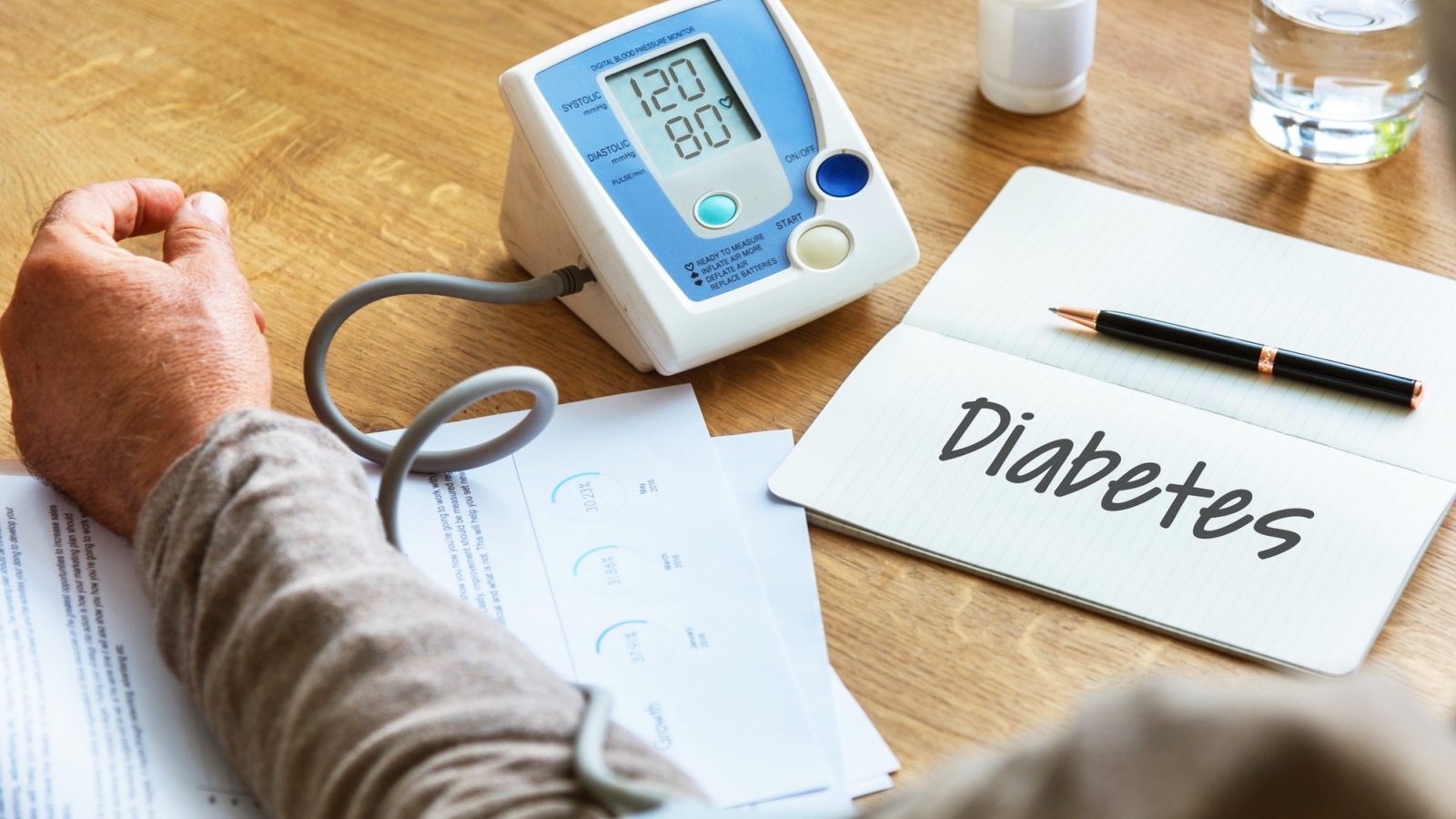
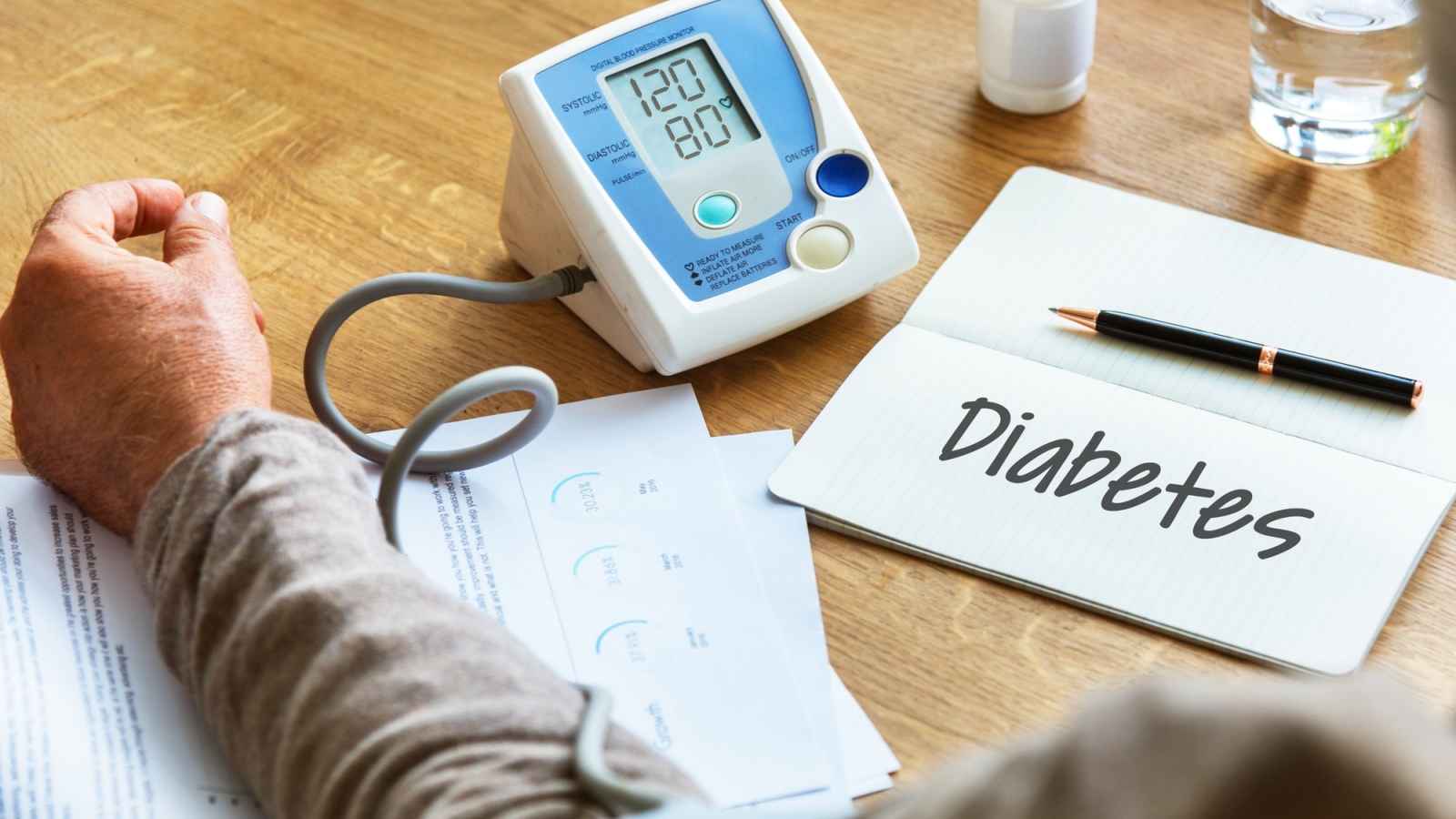
Endocrinologist Dr Gagandeep Singh recently claimed that diabetes and high blood pressure are essentially the same disease. In a post on Instagram, he wrote, “Not similar. Not related. The same one, showing up in two different places.”
Explaining his view, he said, “Cells stop responding to insulin; glucose goes up. The kidneys hold onto sodium, and blood pressure goes up. Same hormone doing the damage, from one source feeding both.”
He also pointed to the frequent overlap between the two conditions, writing, “That’s why 80 per cent of people with type 2 diabetes also end up with hypertension. Not a coincidence. One condition wearing two names.”
DISCLAIMER: This article is based on information from the public domain and/or the experts we spoke to. Always consult your health practitioner before starting any routine.
But is it medically accurate to describe type 2 diabetes and hypertension as the same disease?
According to Dr Pranav Ghody, Consultant Endocrinologist and Diabetologist, Wockhardt, “Type 2 diabetes and hypertension are two separate medical conditions, even though they often occur together and have a number of common risk factors,” Dr Ghody tells indianexpress.com
Both can be associated with factors such as insulin resistance, excess weight, physical inactivity and genetic predisposition. However, the conditions affect different aspects of health.
“Diabetes mainly concerns the regulation of blood glucose, whereas hypertension is characterised by consistently high blood pressure,” he says.
Story continues below this ad
So, where does insulin resistance come in?
“When the body’s cells do not respond correctly to insulin, this is what is known as insulin resistance,” Dr Ghody says.
In response, the pancreas produces more insulin to compensate. Over time, this can contribute to rising blood glucose levels and eventually type 2 diabetes.
“Insulin resistance is also associated with changes in the kidneys, blood vessels and nervous system which in turn can cause sodium to be retained and blood pressure to rise,” Dr Ghody explains.
However, he cautions against viewing insulin resistance as the sole cause. “Therefore, there is a biological link between the two conditions, but insulin resistance is only one element of the whole issue,” he says.
Story continues below this ad
Can lowering insulin improve both blood sugar and BP?
Dr Singh suggested that “lowering the insulin” could help improve both blood sugar and blood pressure.
“Lifestyle changes can make a great difference; even a small amount of weight loss can lead to improved insulin sensitivity, lower blood sugar levels and reduced blood pressure,” Dr Ghody says.
Exercise
Regular physical activity helps muscles use glucose more efficiently and can also contribute to lower blood pressure. This makes consistent movement an important part of managing both metabolic and cardiovascular health.
Diet
Dr Ghody recommends a diet that includes plenty of vegetables, whole grains, pulses and sufficient protein, while limiting excessive refined carbohydrates, salt and ultra-processed foods.
Story continues below this ad
Such dietary changes can support better blood glucose control and blood pressure management as part of an overall healthy eating pattern.
Sleep and stress
“Getting enough sleep and managing stress contribute to better metabolic health,” Dr Ghody says. Poor sleep and chronic stress can affect several aspects of metabolic health, making them relevant when managing conditions such as diabetes and hypertension.
Does this mean medication can be stopped?
“Although these measures may at times reduce the need for medication, they should be used to supplement rather than to replace the prescribed treatment,” Dr Ghody says.
So, while type 2 diabetes and hypertension frequently coexist and share important risk factors, they are not the same disease. Insulin resistance provides one biological connection between them, while factors such as weight, physical activity, diet, sleep and genetics can influence the risk of both.
Story continues below this ad
DISCLAIMER: This article is based on information from the public domain and/or the experts we spoke to. Always consult your health practitioner before starting any routine.

Leave a Reply