
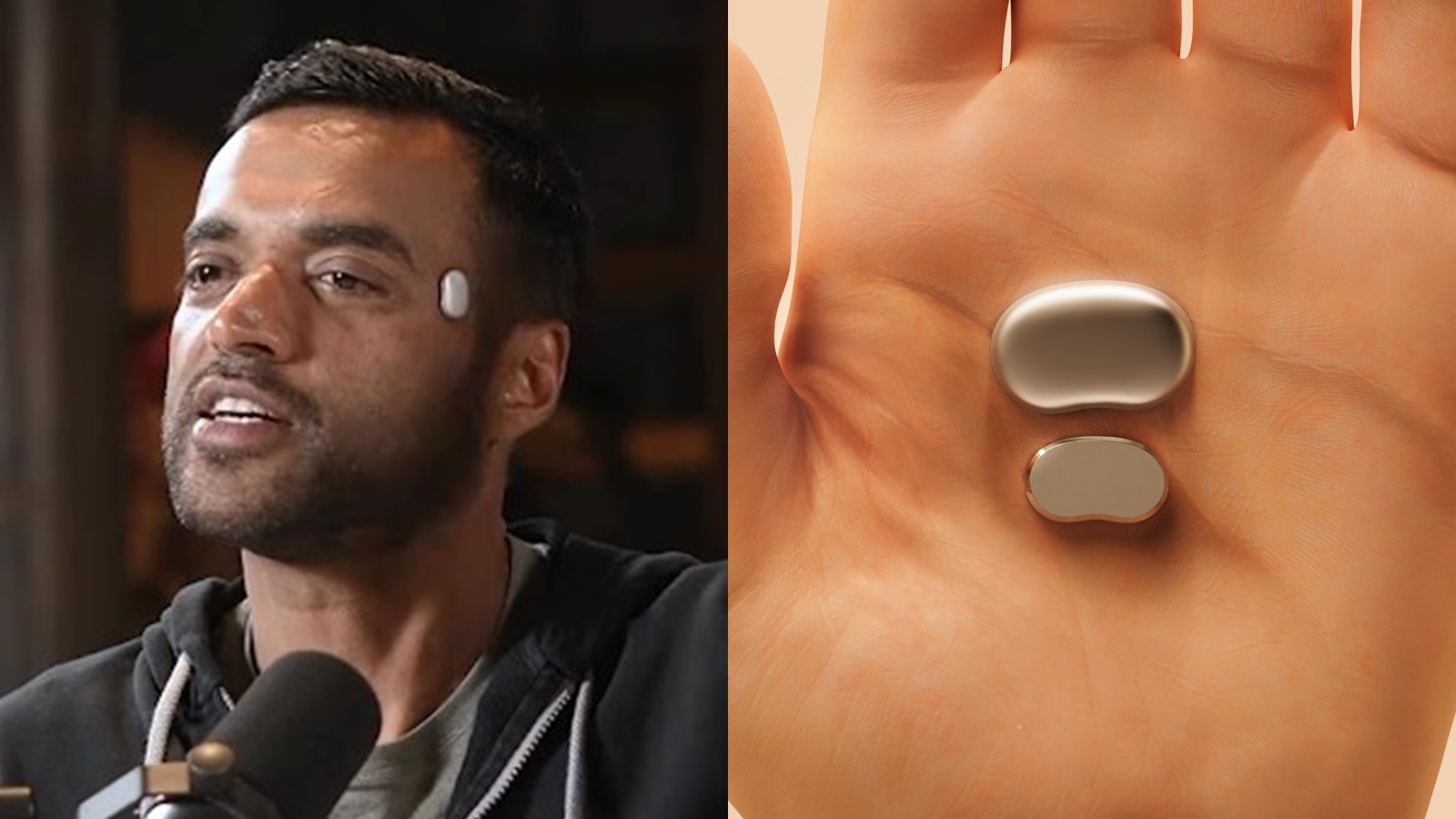
Deepinder Goyal, founder of Zomato, has recently launched a wearable fitness device, Temple, a small gadget worn on the side of the head using adhesive patches. On Instagram, Goyal claimed the device will monitor blood flow to the brain and show how well your body is doing across a wide range of systems: thermal, immune, digestive, cognitive, emotional, pharmacological, postural, reproductive, and recovery.
However, the innovation has drawn flak online from the medical fraternity, with doctors and netizens questioning its effectiveness and asking for research-based evidence to back up the claims. The steep cost of the device, priced at Rs 85,000, further fanned the flames of the controversy.
Some commented on Instagram, “A new anatomical location doesn’t automatically mean a new technological breakthrough. We need better evidence, not another wearable selling a solution to a problem that may not exist.”
A few others echoed, “Nothing, just capitalist minds finding new ways of making money”, and “The most effective drivers of longevity are not tech devices; they are simple, foundational habits like regular physical movement, real food, strong community ties, good sleep, and low chronic stress.”
DISCLAIMER: This article is based on information from the public domain and/or the experts we spoke to. Always consult your health practitioner before starting any routine.
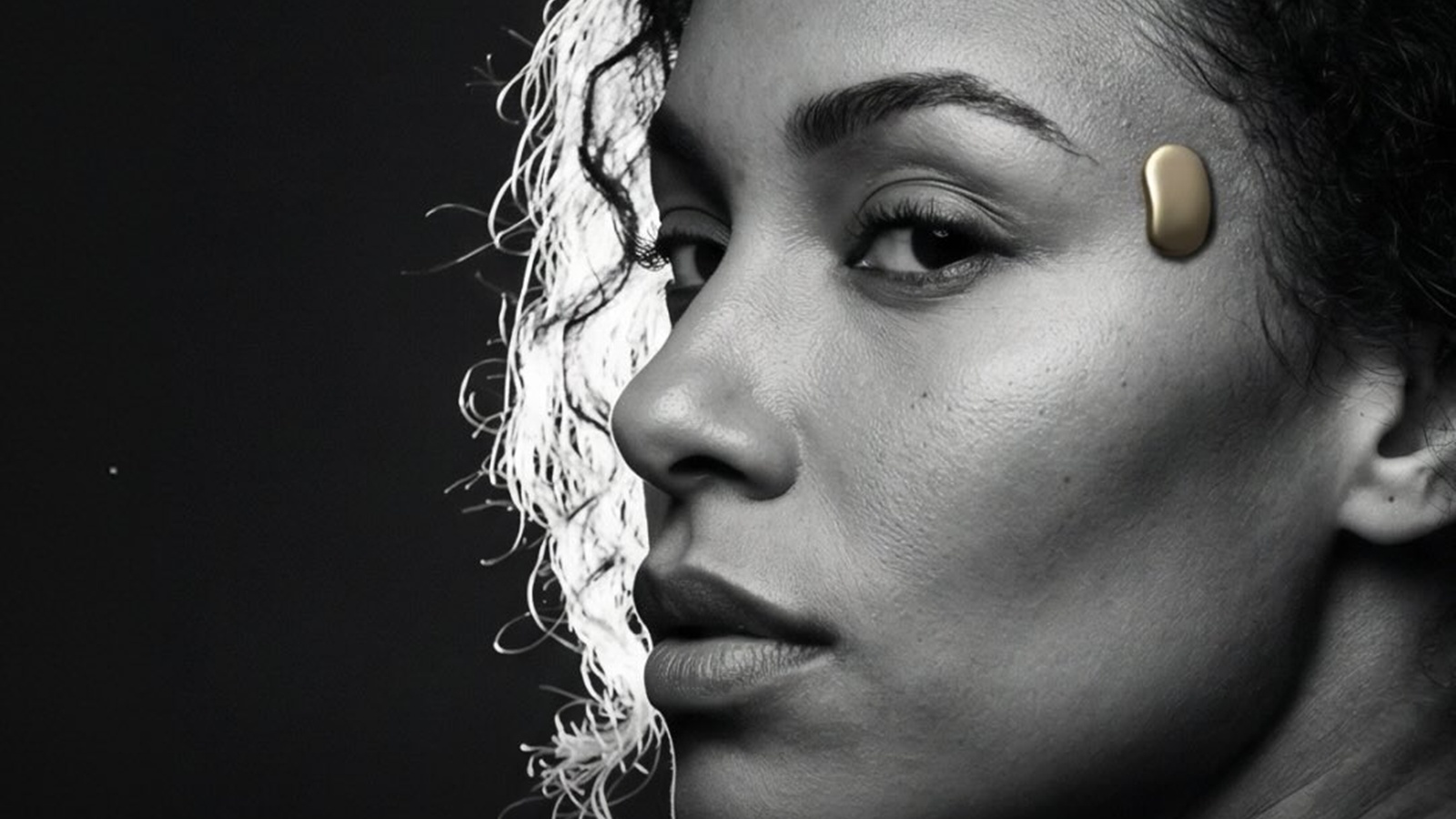 Temple attaches itself to the side of your forehead and works seamlessly. (Source: Instagram/@temple)
Medical claims
On Sunday, Goyal took to X to put some queries to rest, clarifying that the device is primarily a fitness tracker and does not stand to replace medical advice from professional experts.
Goyal also stressed that Temple didn’t make any medical claim, writing on X, “Doctors primarily see things from a medical lens, so they see every claim as a medical claim. I repeat – Temple is strictly a fitness + AI device, and we’ve made no medical claims. Temple is not proven to diagnose or prevent any disease. It doesn’t do anything that replaces the need for you to see a doctor.”
Story continues below this ad
Badminton legend PV Sindhu, who has been seen testing out this device lately, shared her candid experience on social media. Besides her, cricketer Shubhman Gill and podcaster Raj Shamani have also been spotted wearing Temple out in public.
100% not getting paid lol!!! 😂
I had my doubts too when I first reached out to @deepigoyal And yes, you can absolutely play badminton wearing it. Forget badminton, I’ve even swum with it! You barely even notice it on your face.
I started as a sceptic, but once I began using it and saw how well it worked, I genuinely fell in love with it.
— PV Sindhu (@Pvsindhu1) November 1, 2026
Curious about the wellness tracker’s effectiveness, we turned to health experts for clarity.
What are doctors saying?
Dr Seema Shahi, Director & Head of Neurology at Pacific One Health Hospitals, Delhi, says that the device, worn near the temple, uses optical sensors to track physiological signals associated with cerebral blood flow.
She explains that the brain is an extraordinarily complex organ and its health depends not only on blood circulation but also on “neuronal activity, electrical signalling, cognition, memory and communication between billions of nerve cells”. Neurologists assess these multiple dimensions through clinical examination and specialised investigations, Dr Shahi adds.
When asked whether monitoring a signal can tell us how healthy our brain really is, she says Temple has generated early research interest, including a preliminary comparison of its BrainFlow readings with Transcranial Doppler.
Story continues below this ad
However, she mentions “these findings are not yet sufficient to establish it as a validated clinical diagnostic tool”, adding that larger, independent studies are needed to determine its accuracy and clinical usefulness.
Dr Abhijeet Gaikwad, Consultant Neurologist, Inamdar Multispecialty Hospital, Pune, adds that a device that tracks changes in blood flow near the temporal artery may provide certain insights into the body’s responses, but these readings should not automatically be considered a direct measure of cerebral circulation.
“Factors such as individual differences in blood circulation, physical activity, sensor placement and movement can influence the readings,” he tells indianexpress.com. He adds that metabolic strain, stress and physical performance are complex processes that involve multiple physiological parameters.
Therefore, Dr Gaikwad believes a single sensor reading may not provide a complete picture of these functions.
Story continues below this ad
Dr Girish Nair – Sr. Consultant Neurology, Apollo Hospitals Navi Mumbai agrees, stating a wearable placed on the temple is not directly reading the brain. “A light sensor placed on the temple can only read what is happening in these superficial vessels. It cannot look inside the skull or tell us how blood is flowing through the brain itself,” he tells indianexpress.com.
Can Temple predict Alzheimer’s or cardiac arrest?
Dr Mohammed Rehan Sayeed, Cardiothoracic Surgeon at Apollo Hospital, founder of Motherhood Group of Hospitals & WelloTree Nutrition says that Deepinder Goyal’s Temple raises a question he would ask of any new monitor: what is the sensor actually measuring, and what are we inferring from that signal?
“The brain has a separate blood supply and regulates its own circulation. When you stand up your cardiovascular system adjusts to maintain blood supply to the brain. A change in the pulse signal at your temple tells you little on its own about how much blood is reaching brain tissue,” he tells indianexpress.com.
Dr Sayeed believes there is real value in following trends in heart rate, where the measurement has been validated, and the variation in timing between heartbeats. Over time, these readings can help people see how their bodies respond to training or recovery. However, he stresses that interpreting a wearable’s signal as a measure of brain blood flow requires a “higher standard of evidence”.
Story continues below this ad
According to Dr Nair, a smartwatch or head-worn tracker displaying a ‘stress score’ or ‘metabolic recovery index’ is offering an estimate based on physiological signals. “It is not equivalent to clinical investigations such as an MRI or EEG. Everyday stress, lack of sleep or even a heavy meal can influence physiological parameters such as heart rate,” he informs, adding that such readings should never be used to rule out cardiovascular problems, assess biological age or delay consulting a specialist when symptoms arise.
Dr Shahi also adds that a “single blood-flow reading cannot predict Alzheimer’s disease, stroke or cognitive decline”.
Final verdict
Early comparisons with established methods are a starting point. But Dr Sayeed reiterates that he would want to see “independent studies showing how accurately the device tracks blood flow inside the skull across different people and under everyday conditions”. “Until then, I would treat the BrainFlow score as an experimental wellness metric and keep it out of clinical decisions,” concludes Dr Sayeed.
As a neurologist with training in India and the USA, Dr Shahi strongly supports innovation that advances our understanding of the human brain. “However, scientific enthusiasm must go hand in hand with rigorous clinical evidence,” she reiterates.
Story continues below this ad
Wearable neurotechnology represents an exciting direction for preventive healthcare. But promising technology is not the same as a clinically validated medical test. Experts stress that the future of neurology will undoubtedly be technology-driven, but clinical judgement and evidence-based medicine must remain at its foundation.
DISCLAIMER: This article is based on information from the public domain and/or the experts we spoke to. Always consult your health practitioner before starting any routine.

Leave a Reply