
3 min readNew DelhiApr 27, 2026 07:00 PM IST
Type 1 Diabetes is often associated with a sudden onset and clear symptoms. However, in many cases, especially among women, the early signs can be subtle, gradual, and easy to overlook, leading to delayed diagnosis.
According to Dr Pranav Ghody, Consultant Endocrinologist & Diabetologist at Wockhardt Hospitals, Mumbai Central, the condition can develop quietly without immediately causing symptoms. “Early signs can be easy to ignore. Unusual tiredness, frequent urination, increased thirst, and sudden weight loss are common, but they don’t always raise concern immediately,” he explains.
He adds that symptoms like dry skin, blurred vision, or persistent low energy, even after adequate rest, can also signal underlying issues. “These symptoms often build up gradually, which makes them easy to miss,” says Dr Ghody.
DISCLAIMER: This article is based on information from the public domain and/or the experts we spoke to. Always consult your health practitioner before starting any routine.
Key reasons
One of the key reasons behind delayed detection is the overlap of these symptoms with everyday health concerns. “Many of these symptoms overlap with everyday issues. Fatigue is often blamed on a busy routine, while mood swings or low energy may be linked to hormonal cycles,” Dr Ghody notes. Increased hunger or thirst may also not seem serious in isolation, leading many to postpone testing.
For women, certain symptoms may be more telling but are still frequently ignored. “Recurrent yeast infections, frequent urinary infections, or unexplained itching can sometimes point toward high blood sugar levels,” he says. In some cases, hormonal disruptions such as irregular periods or sudden menstrual changes may also be linked.
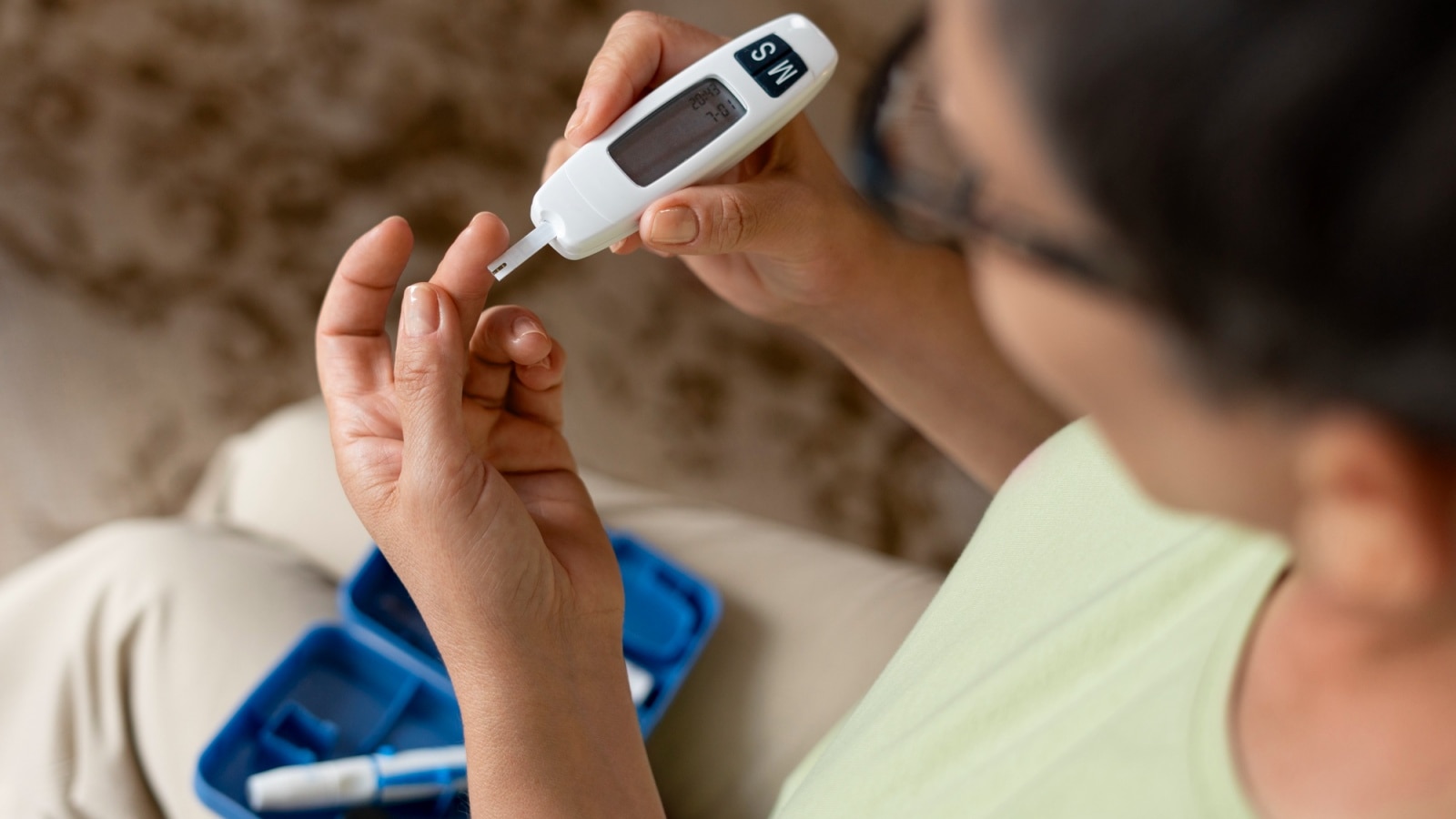
 Type 1 diabetes in women (Photo: Freepik)
Symptoms
Recognising when to act is crucial. Dr Ghody emphasises that persistent symptoms should not be dismissed. “If symptoms like constant thirst, frequent urination, sudden weight loss, or extreme fatigue continue for a few days or weeks, it’s important to get blood sugar levels checked,” he advises.
Story continues below this ad
He further warns against delaying care when symptoms escalate. “If these are combined with nausea, vomiting, or a feeling of confusion, it should not be delayed,” he adds, highlighting the risk of complications if left untreated.
Early detection plays a critical role in managing Type 1 Diabetes effectively. Timely diagnosis not only helps in better blood sugar control but also reduces the risk of long-term complications.
As Dr Ghody underscores, awareness is key. Understanding and recognising these often-overlooked signs can empower individuals to seek timely medical attention, making a significant difference in outcomes.
DISCLAIMER: This article is based on information from the public domain and/or the experts we spoke to. Always consult your health practitioner before starting any routine.

Leave a Reply