
4 min readNew DelhiJun 15, 2026 04:58 PM IST
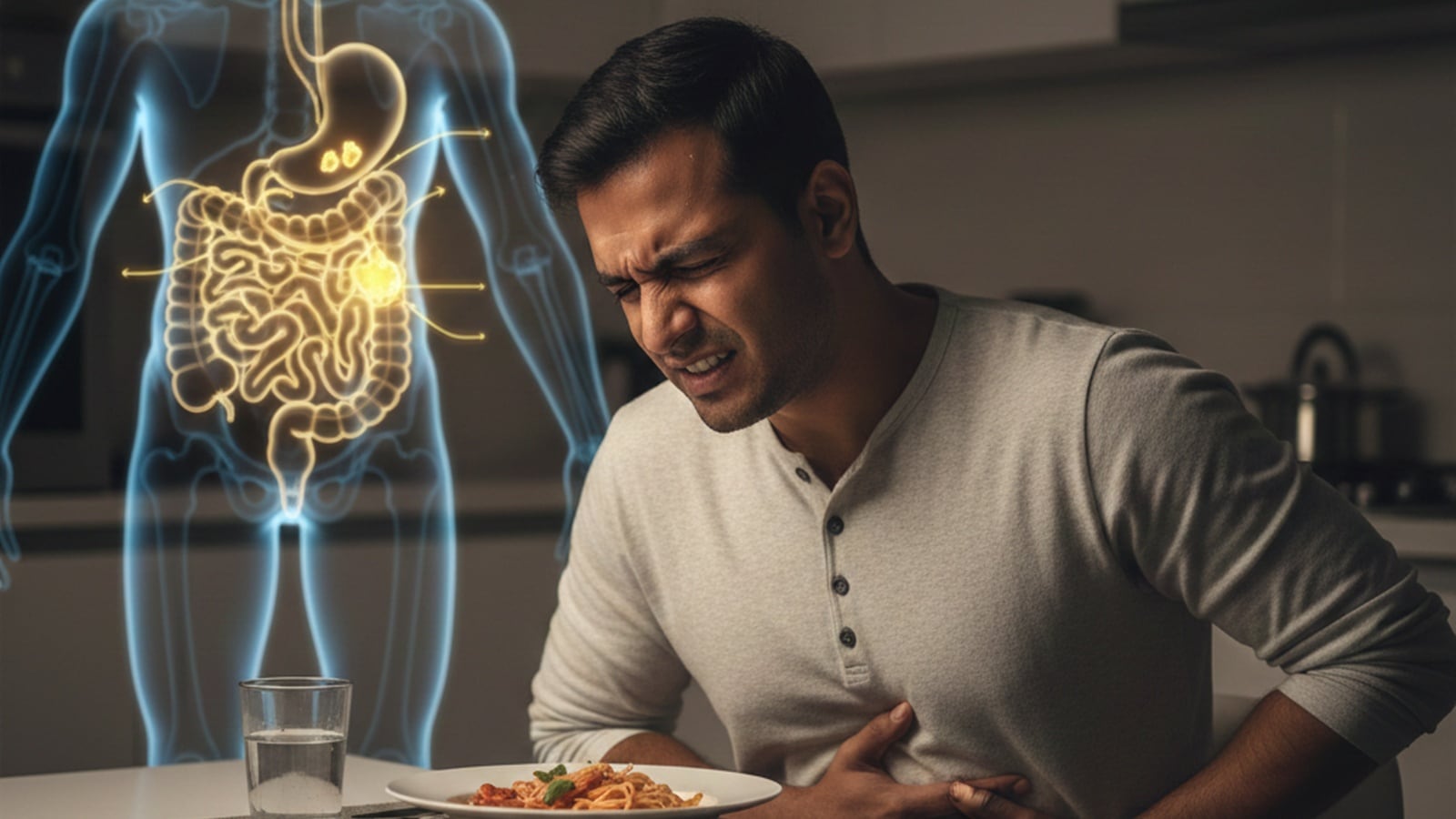
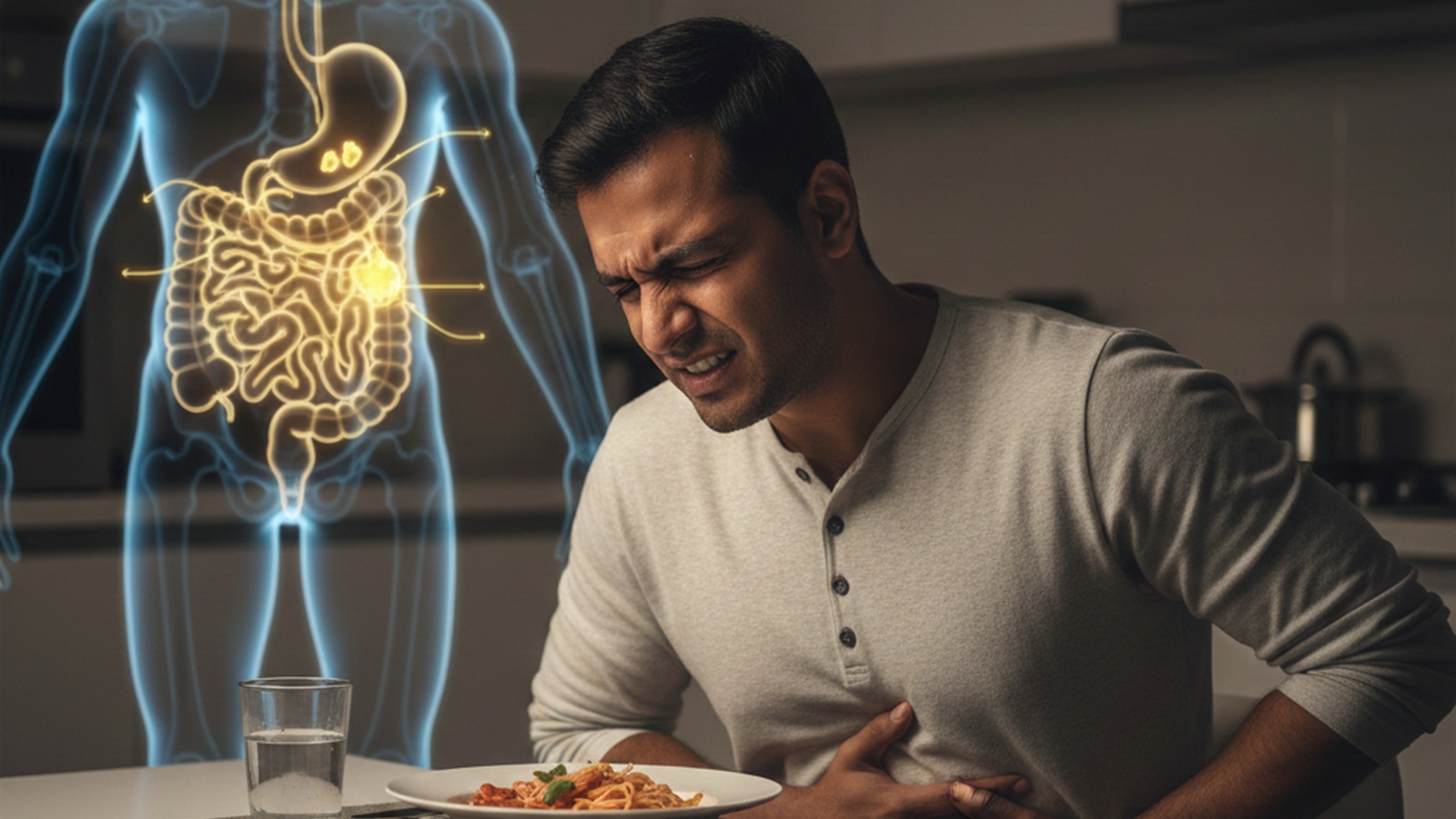
Most people tend to brush off abdominal pain after meals as routine indigestion, especially if it comes and goes. A stabbing or sharp pain after eating is often blamed on eating too fast, oily food, or stress. However, a doctor has warned that when this discomfort is intense, recurrent, or follows a clear pattern, it may be signalling something more serious than a temporary digestive upset.
In an Instagram video, content creator Dr Kunal Sood, an anaesthesiologist and interventional pain medicine physician, explained that sharp post-meal abdominal pain is frequently misunderstood. According to him, it may not be indigestion at all but a sign of gallbladder stones. He clarified, “Gallstones are solid clumps that form inside the gallbladder when bile becomes too concentrated, usually with cholesterol or pigment.” While gallstones are common and often go unnoticed, problems begin when they interfere with normal bile flow.
Dr Sood explained that when a stone blocks the bile duct, it can trigger intense pain episodes. “That blockage causes biliary colic, which is a sharp, intense pain often felt in the right upper abdomen or upper back, usually after eating, especially fatty meals. It can come with nausea or vomiting. And once it starts, the pain can last for hours.” He also highlighted that certain groups are more vulnerable, noting, “Gallstones are more common in women, people who are overweight, those with diabetes, and anyone going through rapid weight changes, including quick weight loss.”
But how can a person differentiate between routine indigestion and warning signs related to gallbladder issues?
Dr Pranav Honnavara Srinivasan, consultant surgical gastroenterologist at Fortis Hospitals, tells indianexpress.com, “Routine indigestion typically causes a mild, burning, or bloated discomfort in the upper abdomen and is often relieved with antacids or resolves on its own. Gallbladder-related pain, on the other hand, is more characteristic and persistent. It usually presents as a sharp or cramping pain in the right upper or central upper abdomen, often beginning 30 minutes to a few hours after eating, especially after a fatty meal.”
This pain may radiate to the right shoulder or back, last for several hours, and is not relieved by antacids or changes in posture. Warning signs include recurrent episodes, increasing intensity of pain, nausea or vomiting, fever, jaundice, or dark urine. These symptoms suggest that the pain is not simple indigestion and warrant medical evaluation.
Why do factors like increase the risk of developing gallstones?
Dr Srinivasan mentions that gallstones form when bile becomes imbalanced, particularly when it contains excess cholesterol or does not empty effectively from the gallbladder. “In people who are overweight or have obesity, the liver produces more cholesterol, which increases the likelihood of cholesterol stone formation.”
He adds that rapid weight loss further increases risk because it causes the liver to release additional cholesterol into bile while also reducing gallbladder contractions, leading to bile stasis. In diabetes, altered fat metabolism and reduced gallbladder motility contribute to stone formation. These metabolic conditions create an environment where bile thickens and crystallises, eventually forming gallstones.
Lifestyle or dietary changes that can help reduce gallbladder strain
To reduce gallbladder strain, Dr Srinivasan explains, individuals should focus on eating balanced meals at regular intervals, avoiding long fasting periods. “Diets rich in fibre from fruits, vegetables, and whole grains, along with moderate intake of healthy fats, help maintain normal bile flow. Limiting fried foods, highly processed meals, and excessive saturated fats can significantly reduce gallbladder workload. Gradual and sustainable weight loss is far safer than crash dieting.”
Story continues below this ad
Medical evaluation is essential if abdominal pain after meals is recurrent, severe, or worsening, or if it is associated with vomiting, fever, yellowing of the eyes or skin, or pain radiating to the back or shoulder. “Self-managing pain with repeated antacid use can delay diagnosis and lead to complications such as gallbladder infection or pancreatitis, making timely medical assessment crucial,” concludes Dr Srinivasan.
DISCLAIMER: This article is based on information from the public domain and/or the experts we spoke to. Always consult your health practitioner before starting any routine.

Leave a Reply