
High-protein diets are often seen as a shortcut to better fitness, improved muscle growth, and even weight loss. But in a recent Instagram video, UK-based surgeon Dr Karan Rajan explained that excess protein intake can have unintended consequences inside the digestive system.
According to him, “If you eat too much protein, it’s not always good for your gut health. Most of the protein you eat is meant to be broken down and absorbed in the small intestine. But when your diet is excessive in protein and fibre-poor, more of that leftover protein can spill into the colon, where your gut bacteria start to ferment it. So now instead of saccharolytic fermentation, where your gut bacteria ferment fibre into short-chain fatty acids, your bacteria switch modes into more proteolytic or protein fermentation (sic).”
DISCLAIMER: This article is based on information from the public domain and/or the experts we spoke to. Always consult your health practitioner before starting any routine.
This shift in how the gut processes food can have deeper implications than many realise. Dr Rajan pointed out that when protein is fermented in the colon, it produces compounds that may not be beneficial for the body. He explained, “The byproducts of protein fermentation in the colon include things like ammonia, p-cresols, indoles, phenols, and hydrogen sulfide. These metabolites are linked to a more inflammatory colonic environment and can stress the gut barrier. And you get a bacterial shift too, with more species like Bacteroides and Fusobacterium, which you ideally want in lower amounts.”
At the same time, he emphasised that protein itself is not the problem; imbalance is. Recommended intake ranges support muscle health without overwhelming the gut. “Now protein consumption does matter a lot. But even for athletes, evidence-based targets sit between 1.6 and two grams per kilo per day. So if you’re an 80-kilo athlete, that’s between 128 g and 176 g of protein per day to pretty much maximise muscle protein synthesis, not three whole chickens and a whey intravenous drip,” he said.
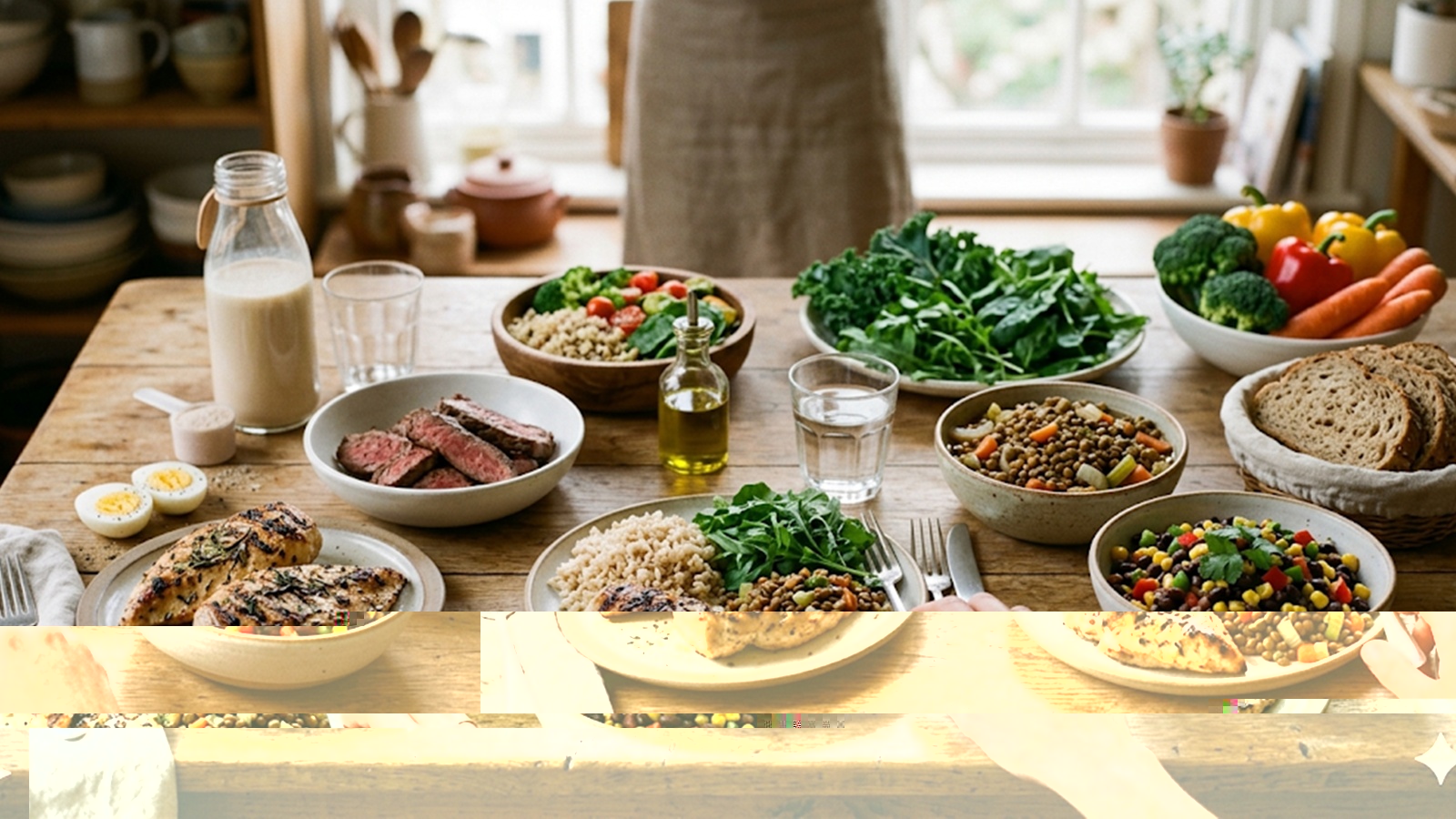
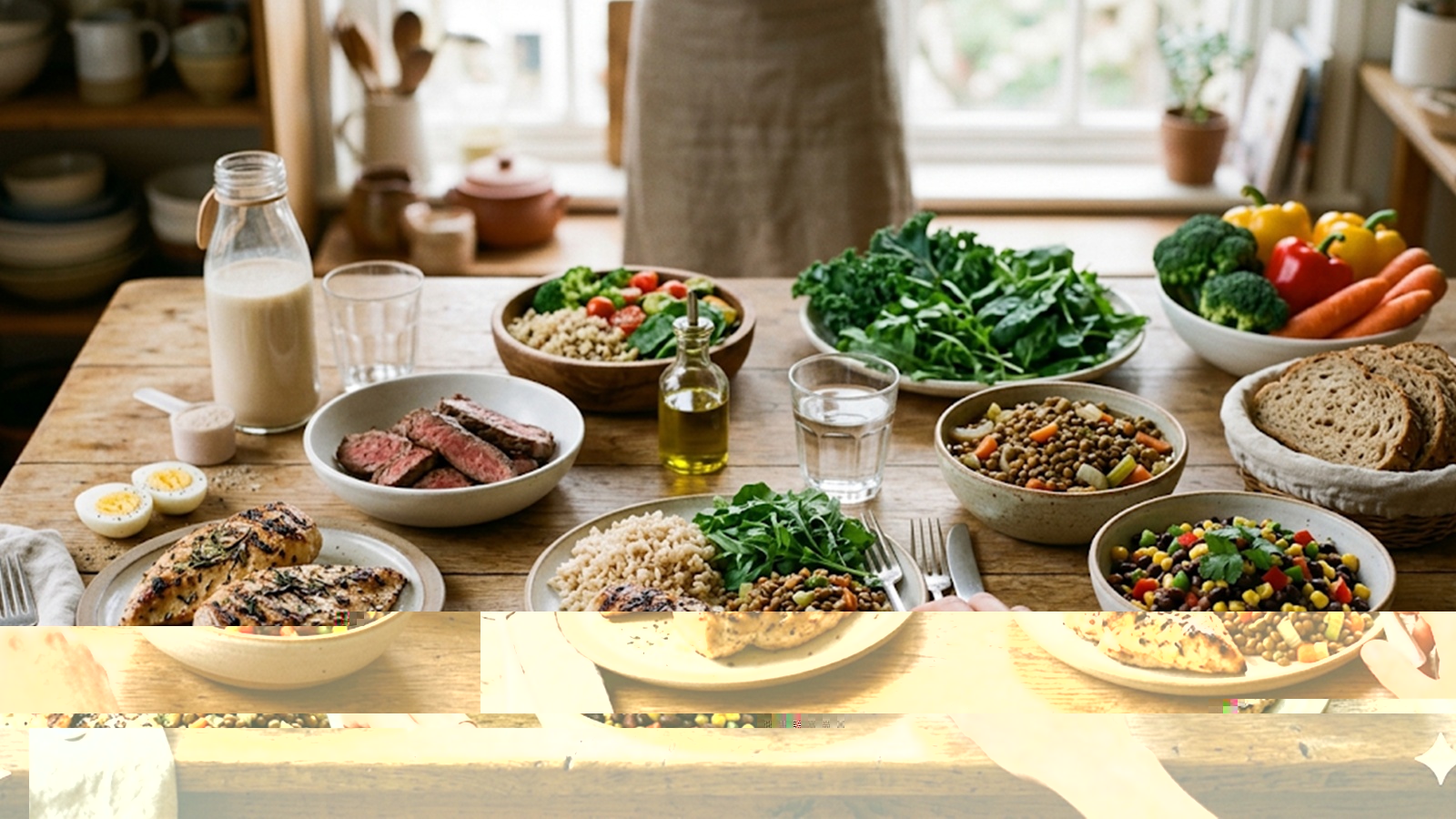
Instead of focusing only on quantity, Dr Rajan highlighted the importance of pairing protein with fibre and choosing a wider variety of sources. He said, “The real combo is protein and fibre together. Don’t just limit yourself to rotating between whey, chicken, and beef like a ravenous, confused Labrador. Use more diverse protein sources like yoghurt, eggs, beans, tofu, and lentils. Foods like edamame are great because they bring protein, fibre, and soy compounds like isoflavones to the party. So yes, absolutely eat enough protein. Just don’t forget that your microbiome needs to be fed, too.”
Some early signs or symptoms that might indicate that protein intake is too high for an individual’s gut to handle
Dr Adithya V. Naragund, senior consultant in GI and HPB Surgery at Cytecare Hospitals, Bengaluru, tells indianexpress.com, “The early signs are often subtle but clinically relevant. Individuals may experience persistent bloating, excessive gas with a foul odour, and a sense of heaviness after meals. Changes in bowel habits are also common, including constipation or irregular stools, especially when fibre intake is inadequate.”
Some people may also report abdominal discomfort, reduced appetite, or a feeling of incomplete digestion. In some cases, Dr Naragund explains that bad breath can increase due to protein fermentation byproducts. These symptoms indicate the gut is struggling to process the excess protein load efficiently.
Story continues below this ad
Strike the right balance between protein and fibre in daily diet
The key is to keep protein intake proportionate to individual needs while consistently pairing it with fibre-rich foods. For most adults, Dr Naragund stresses distributing protein evenly across meals rather than consuming large quantities in a single sitting.
Dr Naragund mentions, “A gut-friendly plate should ideally include a moderate portion of high-quality protein such as legumes, eggs, dairy or lean meats, combined with a generous serving of vegetables, whole grains or pulses that provide both soluble and insoluble fibre. Including fermented foods like curd or buttermilk can further support a healthy microbiome.”
He says that a simple way to visualise this is to build meals where half the plate consists of fibre-rich vegetables and whole grains, one quarter is dedicated to protein, and the remaining portion includes healthy fats. This balance supports optimal digestion, microbial diversity and long-term gut health.
DISCLAIMER: This article is based on information from the public domain and/or the experts we spoke to. Always consult your health practitioner before starting any routine.

Leave a Reply