
4 min readNew DelhiSep 16, 2026 09:30 AM IST
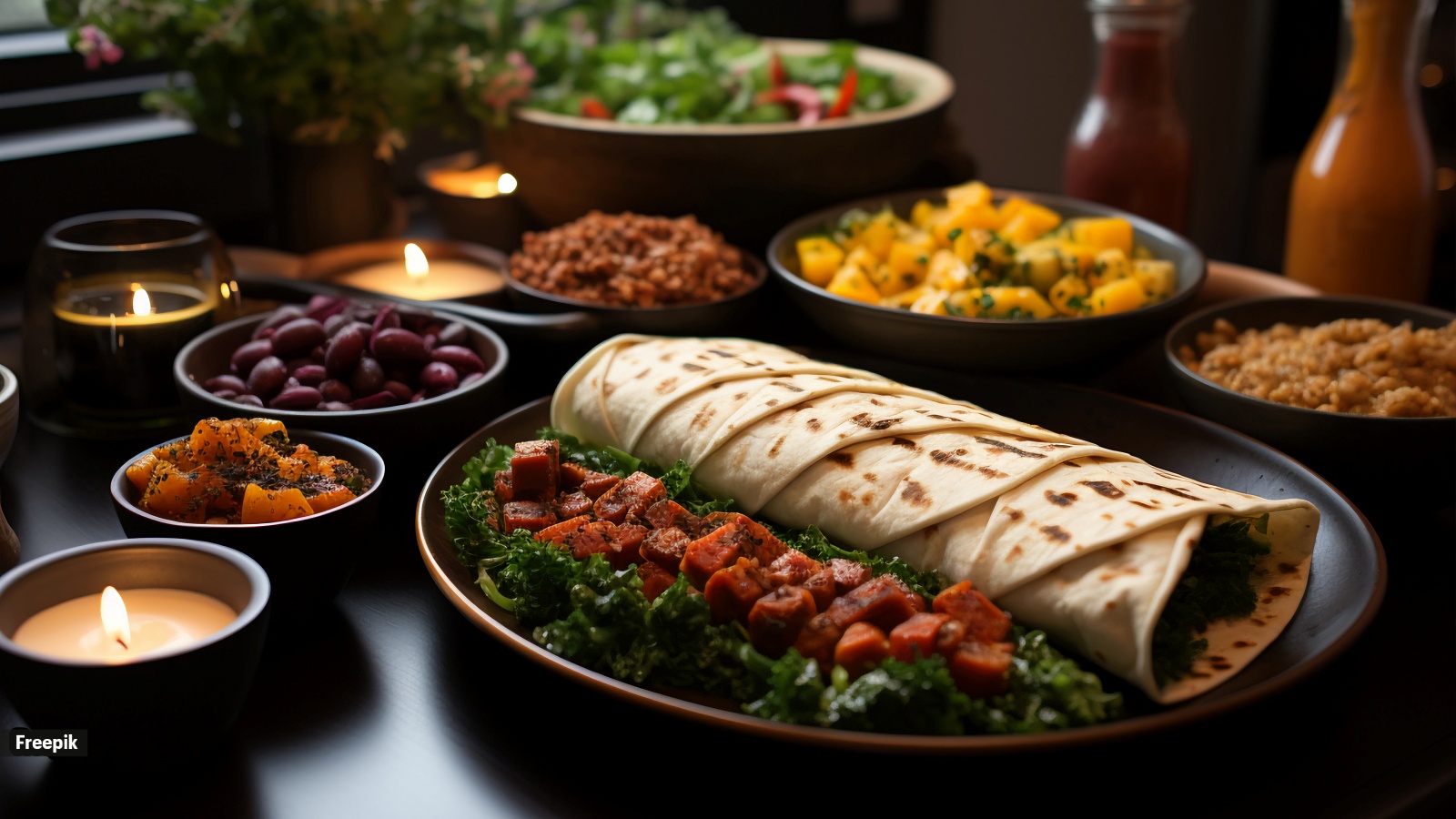
You’ve increased your protein intake, added protein shakes to your diet, and are eating more protein-rich foods. But there’s one unexpected change you may have noticed: you’re feeling thirstier than usual.
It may not be your imagination. A high-protein diet can make some people feel thirstier, particularly when protein intake increases significantly without a corresponding increase in fluid intake.
According to Dr Manjusha Agarwal, Consultant, Internal Medicine, Gleneagles Hospital Mumbai, there is a simple reason why this can happen. Speaking to indianexpress.com, she explains in detail below.
DISCLAIMER: This article is based on information from the public domain and/or the experts we spoke to. Always consult your health practitioner before starting any routine.
Your kidneys have more waste to remove
“When you eat a high-protein diet, it increases the production of nitrogen-containing waste, which the kidneys need to remove through urine,” says Dr Agarwal. “This process can increase the body’s water requirement, making some people feel thirstier.”
The effect, she adds, is more noticeable when protein intake increases significantly without a corresponding increase in fluid intake.
This does not mean everyone who eats more protein will become dehydrated. Instead, more protein can increase the body’s water needs as the kidneys process and remove nitrogen-containing waste.
Story continues below this ad
Your protein source can matter too
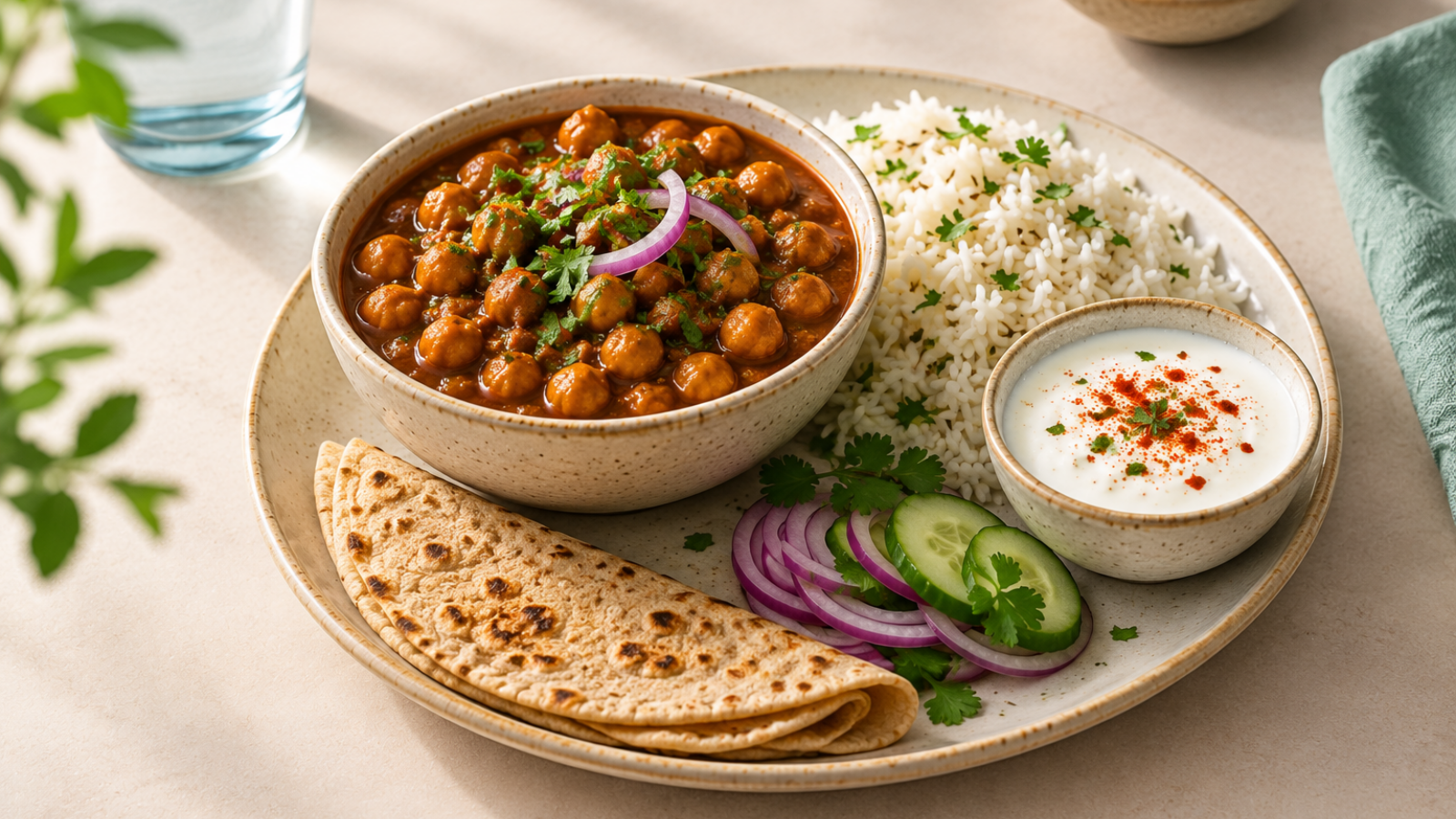 Dals, beans and dairy provide protein along with other nutrients and may have a different effect depending on the overall meal and hydration (AI-generated image)
It’s also worth looking at where your protein is coming from. Meat, protein powders, dals, beans and dairy contain different amounts of salt, fibre, carbohydrates and water, which can influence how thirsty you feel.
“The protein source can make a difference because foods also contain varying amounts of salt, fibre, carbohydrates and water,” says Dr Agarwal.
Meat and protein powders, particularly processed or flavoured products, may contain more sodium, which can increase thirst. Dals, beans and dairy, meanwhile, provide protein along with other nutrients and may affect you differently depending on the overall meal and hydration.
So, if you notice that you are reaching for your water bottle more often after switching to a high-protein diet, the protein itself may not be the only factor at play.
Story continues below this ad
How much extra water do you actually need?
“There is no fixed amount of extra water required simply because protein intake has increased,” says Dr Agarwal. Her practical advice is to “drink according to thirst and maintain pale-yellow urine pale yellow”.
Your fluid requirements can also increase when you exercise, spend time in hot weather or sweat heavily.
People with kidney, heart or other medical conditions, however, should follow their doctor’s individual fluid recommendations rather than changing their fluid intake based on general advice.
When should increased thirst be checked?
A little extra thirst after changing your diet or eating salty foods may simply reflect the dietary change. But persistent or excessive thirst should not automatically be attributed to a high-protein diet.
Story continues below this ad
“Mild, temporary thirst after increasing protein or eating salty foods can simply reflect a change in diet,” says Dr Agarwal.
However, persistent or excessive thirst accompanied by frequent urination, unexplained weight loss, fatigue or blurred vision warrants medical evaluation. “Such symptoms warrant medical evaluation, particularly to rule out conditions such as diabetes or other metabolic problems,” Dr Agarwal concludes.
DISCLAIMER: This article is based on information from the public domain and/or the experts we spoke to. Always consult your health practitioner before starting any routine.

Leave a Reply