
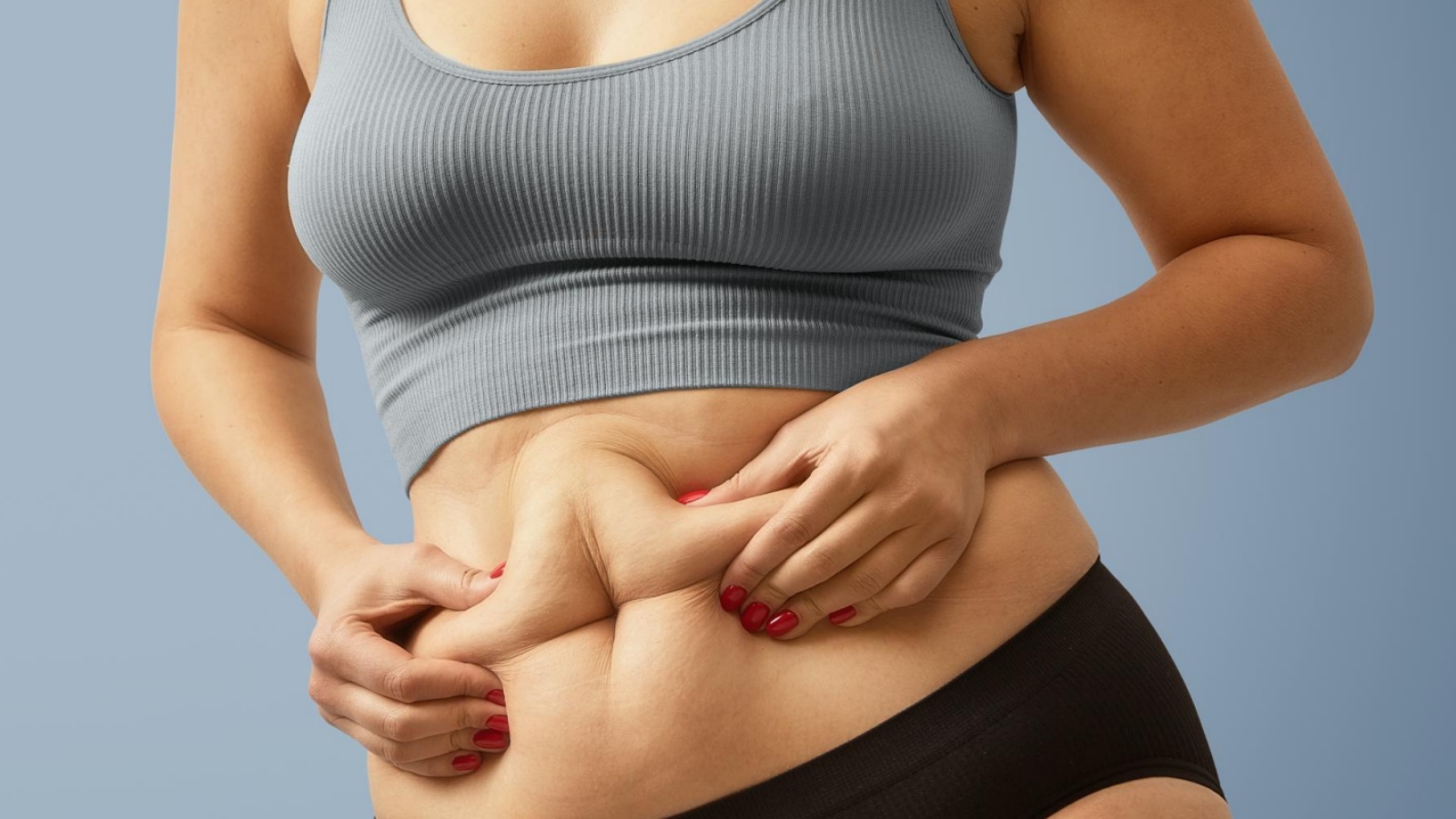
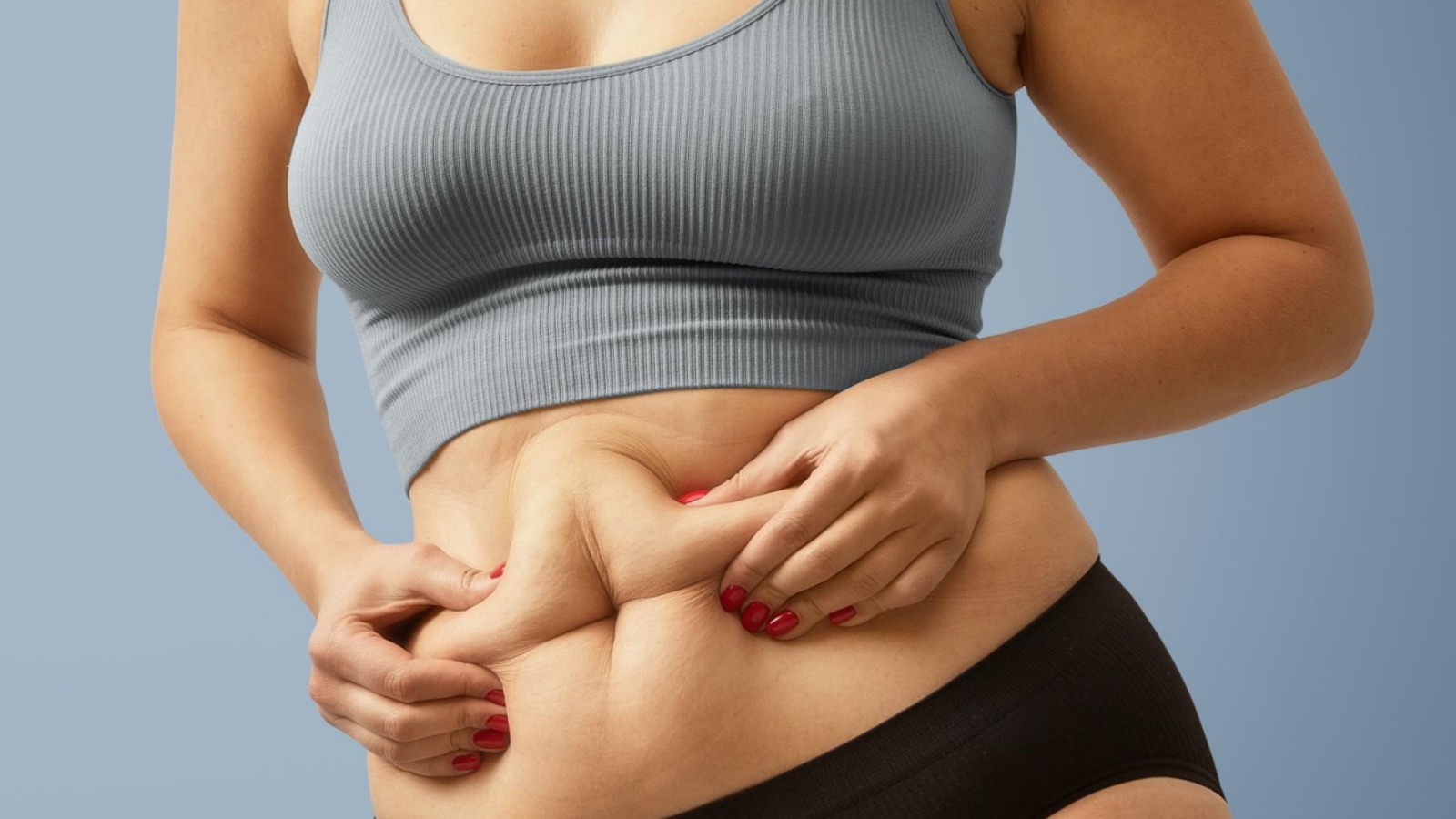
Wellness coach Tanvi Parikh recently spoke about reducing visceral fat naturally, questioning whether the familiar advice to “eat less, move more” is enough to tackle stubborn belly fat. She noted that visceral fat—the fat stored deep inside the abdomen around organs such as the liver—is different from the fat that sits just beneath the skin.
But reducing visceral fat is not necessarily about drastically cutting calories or doing more cardio. According to Dt Shalini Bliss, PSRI Hospital, Delhi, several factors, including diet, physical activity, sleep, stress, age and hormones, can influence how much visceral fat a person carries.
DISCLAIMER: This article is based on information from the public domain and/or the experts we spoke to. Always consult your health practitioner before starting any routine.
Is eating less and doing more cardio enough?
“Eating less and doing more cardio is not enough to reduce visceral fat all the time,” said Bliss. Visceral fat is influenced by overall calorie balance, diet quality, physical activity, age, genetics, hormones, sleep and stress. Both calorie restriction and exercise can help reduce visceral fat, but changes may not always show up immediately on the scale.
In fact, Bliss notes that exercise can sometimes have a greater impact on visceral fat even without a dramatic change in body weight.
“It’s not about eating less, or working out more; it’s about sustainable lifestyle changes,” she said. A combination of a nutritious diet, regular aerobic activity and strength training can therefore be more useful than relying on extreme calorie restriction or excessive cardio.
What lifestyle changes can help?
“Include a healthy diet in your lifestyle, high in protein, vegetables, fruit, whole grains and fiber,” Bliss recommended. She also suggested cutting down on sugary drinks, excess calories and heavily processed foods. Physical activity is equally important. “Include a combination of aerobic activity and strength training and avoid sitting for long periods of time and move about during the day,” Bliss said.
Sleep and stress management should not be overlooked either. Both can influence appetite, metabolism and fat storage. “There is no single exercise or food that will specifically reduce visceral fat, it’s about consistency over time,” she added.
Story continues below this ad
Can your weighing scale tell you how much visceral fat you have?
“While weight loss shows us that overall body fat is decreasing, the weighing scale cannot tell us specifically how much visceral fat has been lost,” Bliss explained.
Waist circumference can be a useful and simple way to monitor changes in abdominal fat over time. However, it does not provide an exact measurement of visceral fat.
More specialised imaging can assess visceral fat more directly. “CT and MRI can assess visceral fat more directly, but are not used routinely in most people,” Bliss said.
Do you need a DEXA scan?
DEXA scans can provide body composition information, but Bliss says they are generally not required just to track visceral fat.
Story continues below this ad
“DEXA scans can be useful for body composition, but generally not something you need just to track visceral fat,” she said. For most people, tracking weight, waist circumference, physical activity, and other lifestyle changes can provide useful information about progress.
DISCLAIMER: This article is based on information from the public domain and/or the experts we spoke to. Always consult your health practitioner before starting any routine

Leave a Reply