
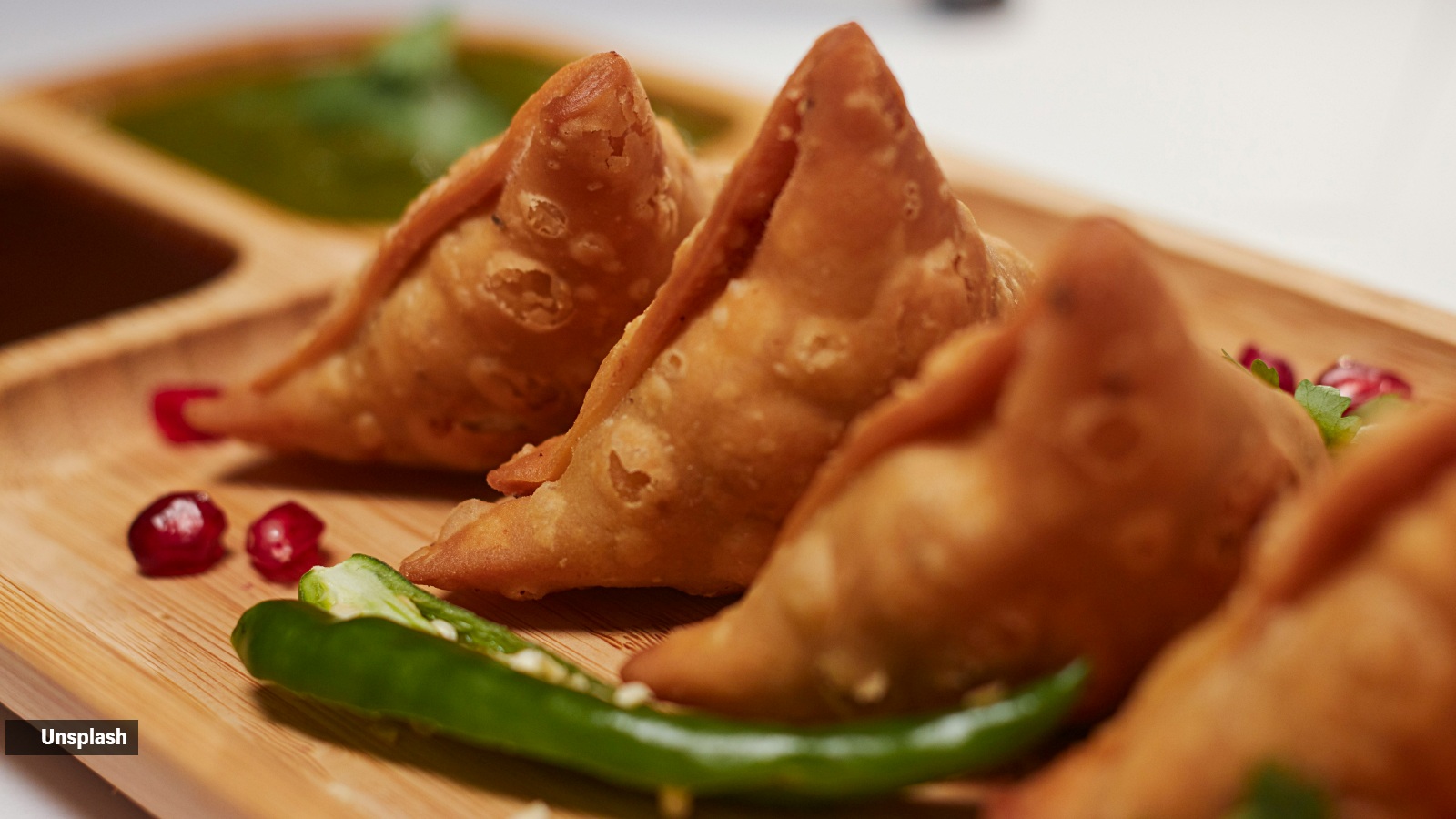
Can saying no to a hot samosa really reveal how healthy or disciplined you are? That’s the question many people have been asking after Dr Sudhir Kumar, a neurologist, shared what he calls the “10-Second Samosa Test” on X.
The idea is simple: order a sugar-free coffee, smile politely at the tempting samosas and walk away without taking one. If you can do this nine out of 10 times, he says, you have exceptional self-control. According to him, consistently resisting unnecessary temptations can improve blood sugar, triglycerides, waistline and heart health.
While experts agree there’s value in the message, they say passing—or failing—the test doesn’t tell the whole story.
DISCLAIMER: This article is based on information from the public domain and/or the experts we spoke to. Always consult your health practitioner before starting any routine.
The biggest lesson isn’t about samosas
According to Richa Sharma, Consultant Dietetics, Kailash Deepak Hospital, the viral test encourages something many of us rarely do: pause before eating.
“Taking a few seconds to ask yourself, ‘Am I truly hungry or am I just craving this?’ is a healthy habit that can improve your relationship with food over time.”
In today’s environment, where tempting food is everywhere, that brief pause can help distinguish genuine hunger from cravings triggered by smell, habit, or simply watching others eat.
Story continues below this ad
Dr Naveen Kumar Dhagudu, Senior Consultant Psychiatrist, Yashoda Hospitals, Hyderabad, also states that the technique could help test an individual’s “level of self-control over food choices, as well as their underlying thoughts and cognitions that influence their decision-making about what to eat. ”
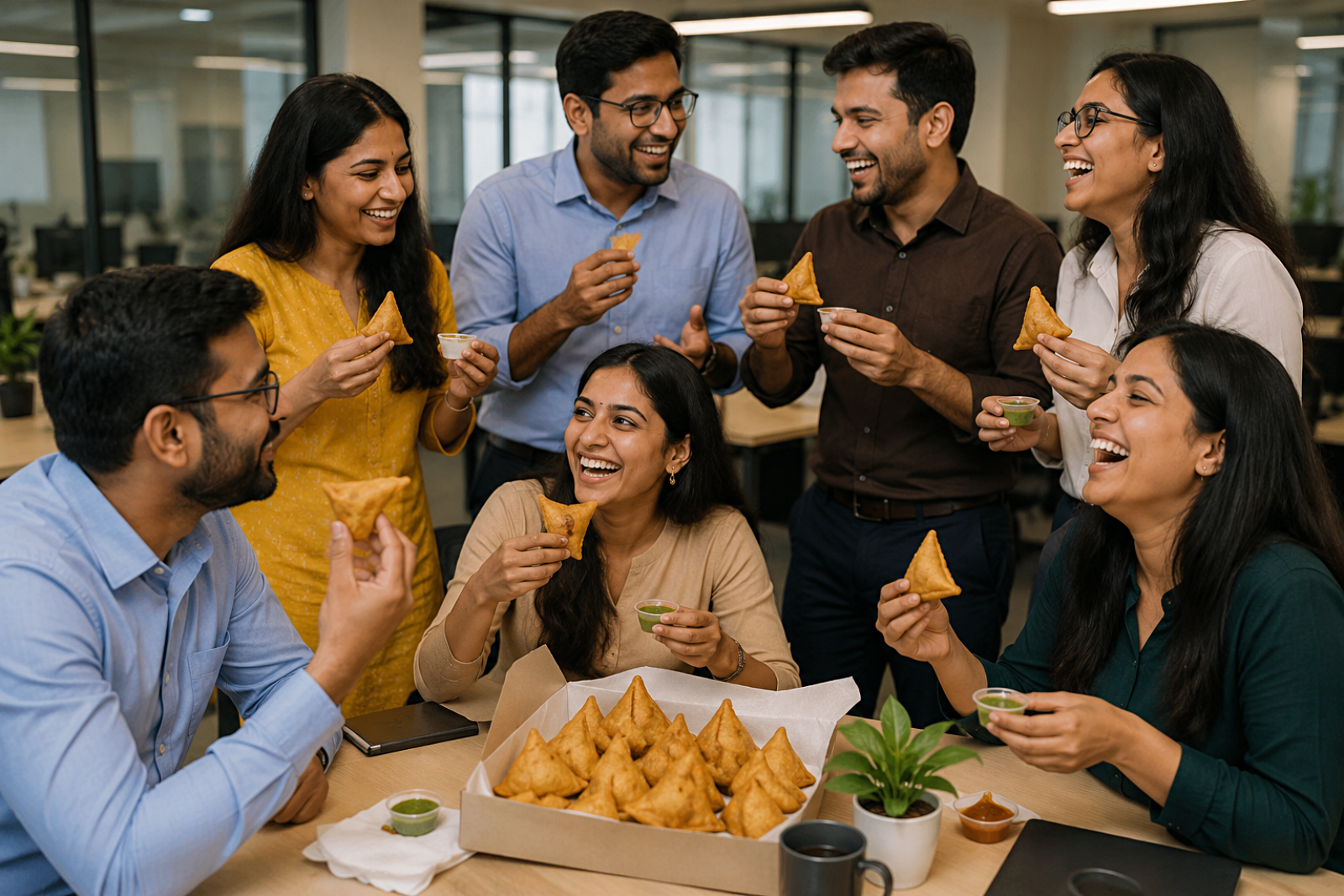 If you are near junk food, you may be tempted to eat it if you didn’t intend to due to their proximity, easy availability, and hunger (Ai generated image)
But experts believe that it’s important not to read too much into a single food choice. “I do not agree that passing or failing a ‘samosa test’ defines someone’s health. Good nutrition is built on long term eating patterns, not a single decision made in 10 seconds,” notes Sharma.
If most of your meals include whole grains, fruits, vegetables, good-quality protein and healthy fats, while you stay physically active, she says an occasional samosa can still fit into a balanced lifestyle. People with diabetes, obesity or high cholesterol, however, may need to be more mindful of portion sizes and how often they eat deep-fried foods.
How self-control is more complicated than one decision
Dr Dhagudu clarifies that even though the test might give a brief peak into the person’s self control, the idea that resisting a samosa automatically reflects strong willpower is also an oversimplification.
Story continues below this ad
Whether someone reaches for a snack depends on far more than self-control. Hunger, stress, planning, easy availability of food, social situations and even boredom can all influence the decision. Someone who skipped lunch or is surrounded by colleagues eating snacks may find it much harder to walk away—and that doesn’t necessarily mean they lack discipline.
Instead of relying on willpower alone, Dr Dhagudu recommends planning meals in advance and keeping healthier snacks readily available. “If you didn’t prepare, your subconscious mind slowly wears down to control your conscious willpower. ”
High-protein and high-fibre options such as roasted chana, fruit, boiled eggs or peanuts can make healthy choices easier when hunger strikes.
Why experts still want you to limit fried foods
Although one samosa doesn’t define your health, regularly eating deep-fried foods is a different story. Dr Dilip Gude, Senior Consultant Physician, Yashoda Hospitals, fully agrees with the Dr Kumar’s pointed out correlation between passing this test and having a better metabolic health.
Story continues below this ad
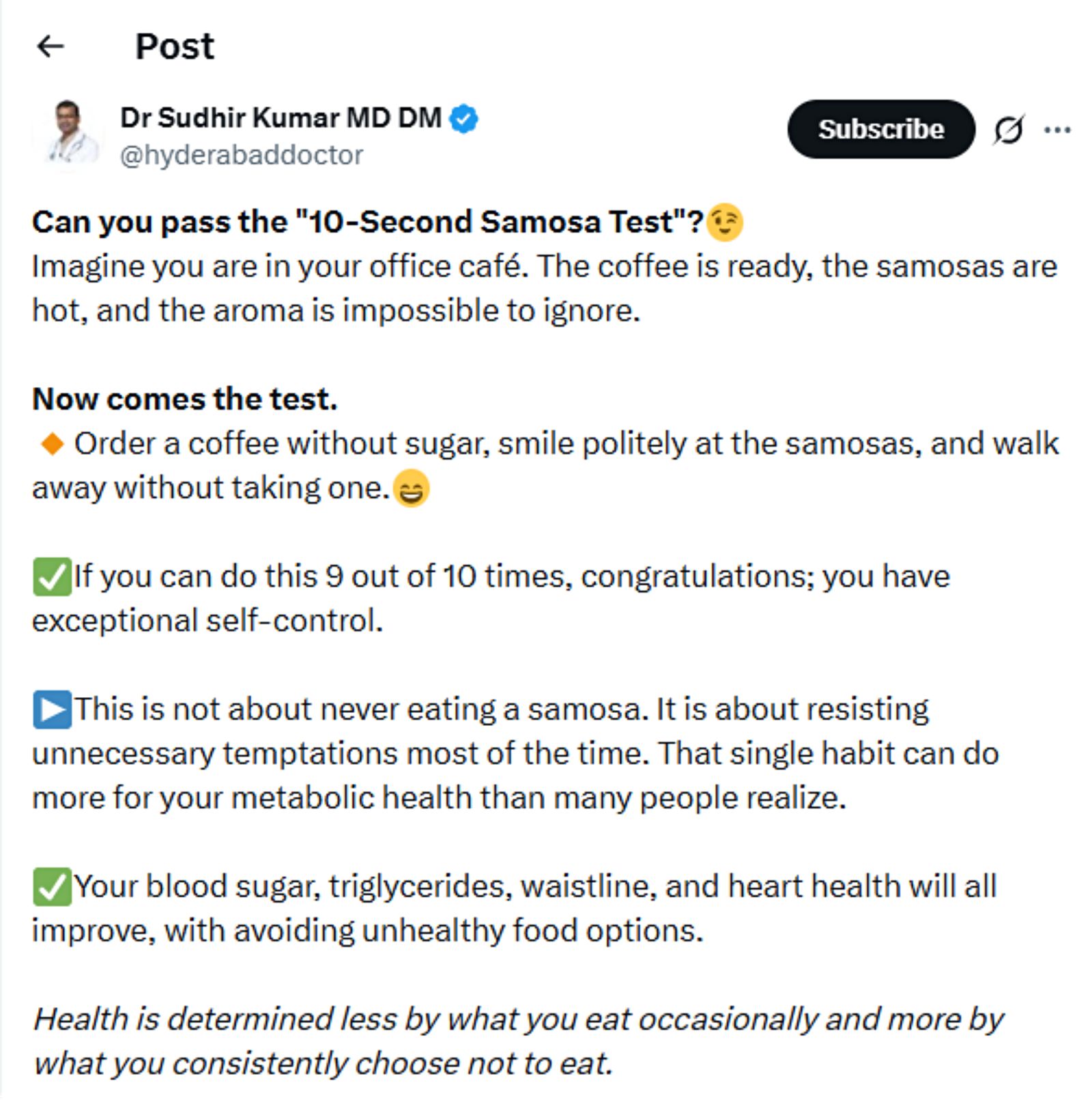 Screenshot of Dr Sudhir’s viral post on X
“If you are walking away 9 out of 10 times from a tempting food like samosa, then your metabolic health is definitely going to be better… because when you avoid fried foods that are high in trans fats, along with the risks of contamination, stomach upset, dysentery, and diarrhoea, you are healthier.”
Dr Gude explains that when fried street foods are cooked repeatedly in the same oil, more trans fats are formed. And diets high in trans fats and refined carbohydrates can contribute to atherosclerosis (hardening of the arteries), raise LDL (“bad”) cholesterol and triglycerides, lower HDL (“good”) cholesterol, and increase the risk of hypertension, heart disease, stroke, prediabetes and type 2 diabetes. They may also increase oxidative stress, damaging tissues and cells over time.
Choosing healthier options more often—even something as simple as a sugar-free coffee instead of a fried snack—can therefore benefit both quality of life and long-term health.
Still, Sharma cautions against labelling foods as completely “good” or “bad.”
Story continues below this ad
“Good nutrition is built on long term eating patterns, not a single decision made in ten seconds.”
That, perhaps, is the real takeaway from the viral “10-Second Samosa Test”. Resisting unnecessary temptations most of the time can certainly help your health—but whether you occasionally enjoy a samosa matters far less than the eating habits you consistently follow over months and years.
DISCLAIMER: This article is based on information from the public domain and/or the experts we spoke to. Always consult your health practitioner before starting any routine.

Leave a Reply