
4 min readNew DelhiOct 4, 2026 11:00 PM IST
GLP-1 medicines are increasingly used to manage type 2 diabetes and obesity, with some drugs in this class also shown to reduce cardiovascular risk in certain groups. But what happens to the heart when a person stops taking them?
According to Dr Parin Sangoi, Consultant Interventional Cardiologist, Wockhardt Hospitals, Mumbai Central, stopping a GLP-1 medicine does not mean a person will immediately have a heart attack.
“The immediate effects of GLP-1 medicines on blood sugar, appetite, body weight and several cardiovascular risk factors disappear gradually when the medication is stopped,” said Dr Sangoi.
DISCLAIMER: This article is based on information from the public domain and/or the experts we spoke to. Always consult your health practitioner before starting any routine.
The concern is what happens to the risk factors
“The issue is not that abruptly stopping the medicine will cause a heart attack, but that the factors it had been helping to control may come back,” Dr Sangoi explained.
He adds that weight regain, rising blood sugar, rising blood pressure, and deteriorating metabolic health can contribute to higher cardiovascular risk over time.
This is particularly relevant for people taking GLP-1 medicines to manage diabetes or obesity, as well as those who already have cardiovascular disease.
Story continues below this ad
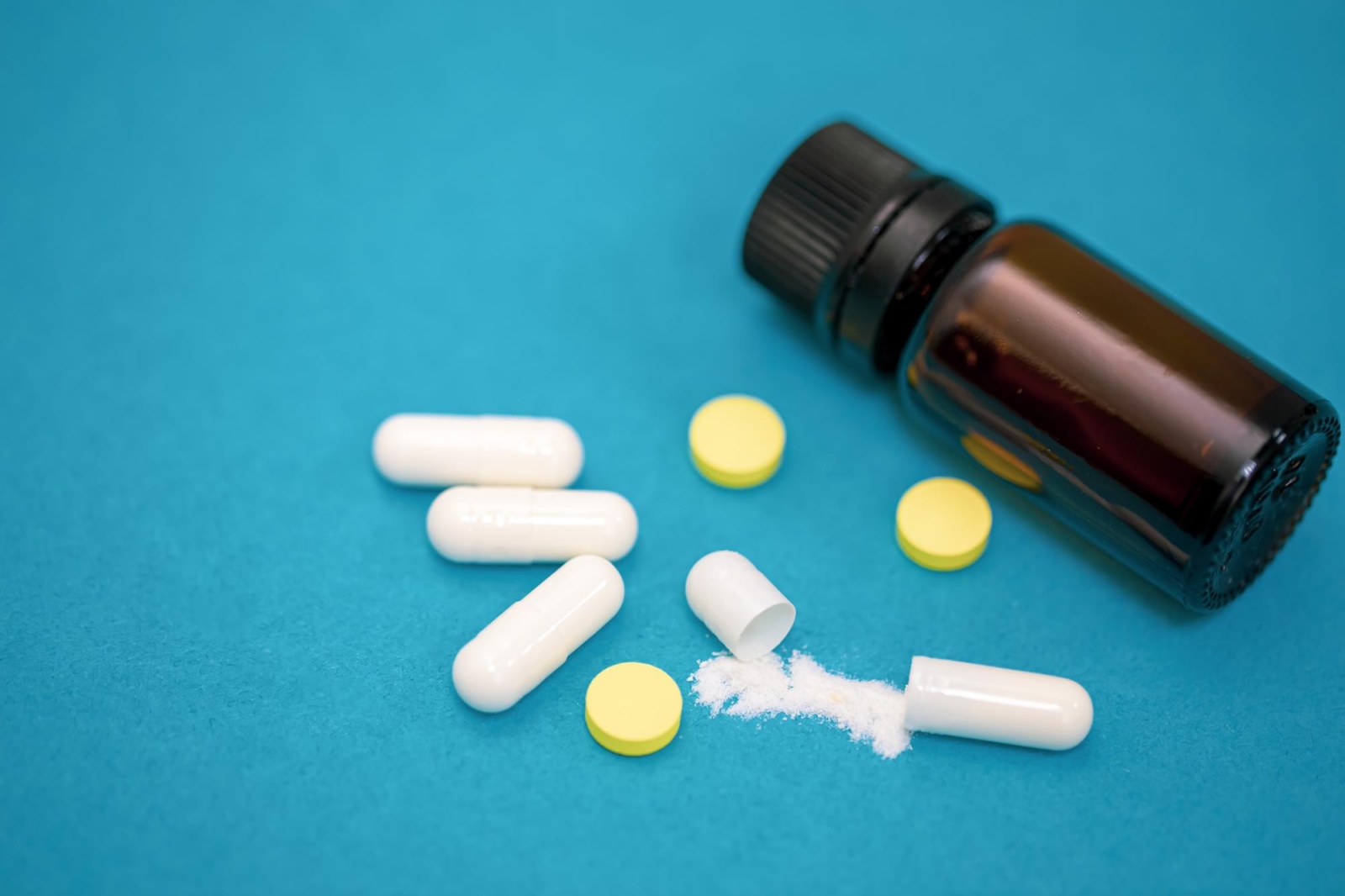 What happens to the heart when you stop taking GLP-1 medicines (Photo: Magnific)
Do the heart benefits remain after stopping?
“Studies involving drugs such as semaglutide have demonstrated a decrease in major cardiovascular events while patients were on the treatment,” said Dr Sangoi.
He explains that the cardiovascular benefits should not be considered to last after the medication is stopped. Studies involving drugs such as semaglutide have demonstrated a decrease in major cardiovascular events while patients were on the treatment. Moreover, evidence suggests that stopping weight-management medications can lead to considerable weight regain and reversal of some cardiometabolic improvements.
“The degree to which cardiovascular protection continues after stopping differs from person to person, and there is a lack of long-term data that look at protection following discontinuation. In clinical practice, attention should be paid to sustaining the improvements in weight, blood sugar, blood pressure and cholesterol which reduce cardiovascular risk,” Dr Sangoi explains.
Should you stop GLP-1 medicines on your own?
Dr Sangoi advised against stopping these medicines without discussing it with the prescribing doctor. “Stopping a GLP-1 drug should not be something that is done on one’s own initiative but rather a decision that is carefully planned,” he said.
Story continues below this ad
For someone with diabetes, blood sugar may rise again after discontinuation, while people taking the medication for obesity may experience weight regain.
For those with existing cardiovascular disease, it is also important to consider why the medicine was prescribed and whether another treatment is needed to manage their risk factors.
What if you need to stop because of side effects or cost?
“Wherever the decision to stop the treatment is based on side effects, cost, plans for pregnancy or some other medical reason, the doctor in charge can determine if the dose should be modified, if another medication should be started, or if more frequent monitoring is needed,” Dr Sangoi said.
After stopping treatment, regular monitoring of weight, blood pressure, blood sugar and other cardiovascular risk factors can help identify changes early, he adds.
Story continues below this ad
DISCLAIMER: This article is based on information from the public domain and/or the experts we spoke to. Always consult your health practitioner before starting any routine.

Leave a Reply