
3 min readNew DelhiMay 1, 2026 09:00 PM IST
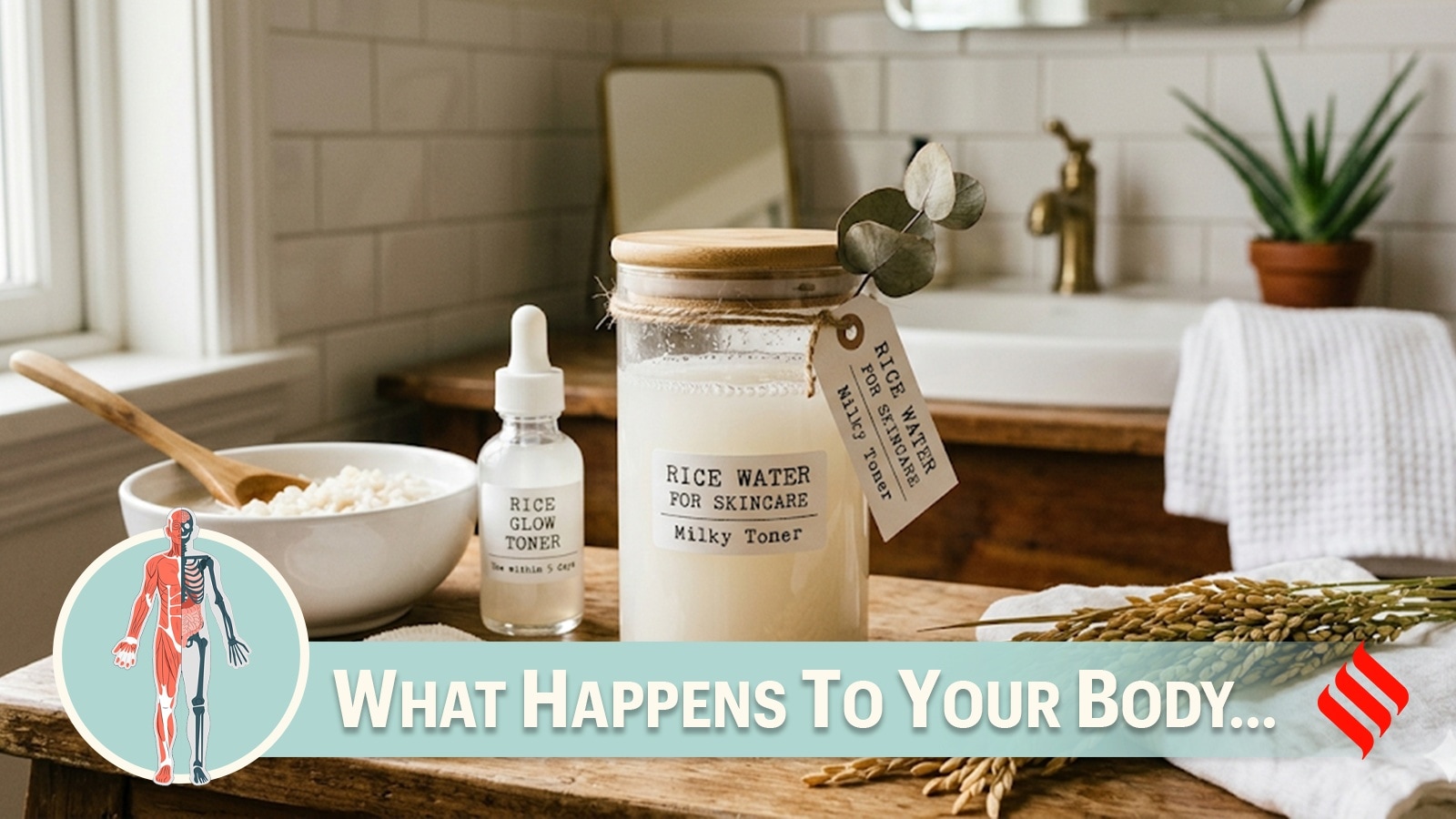
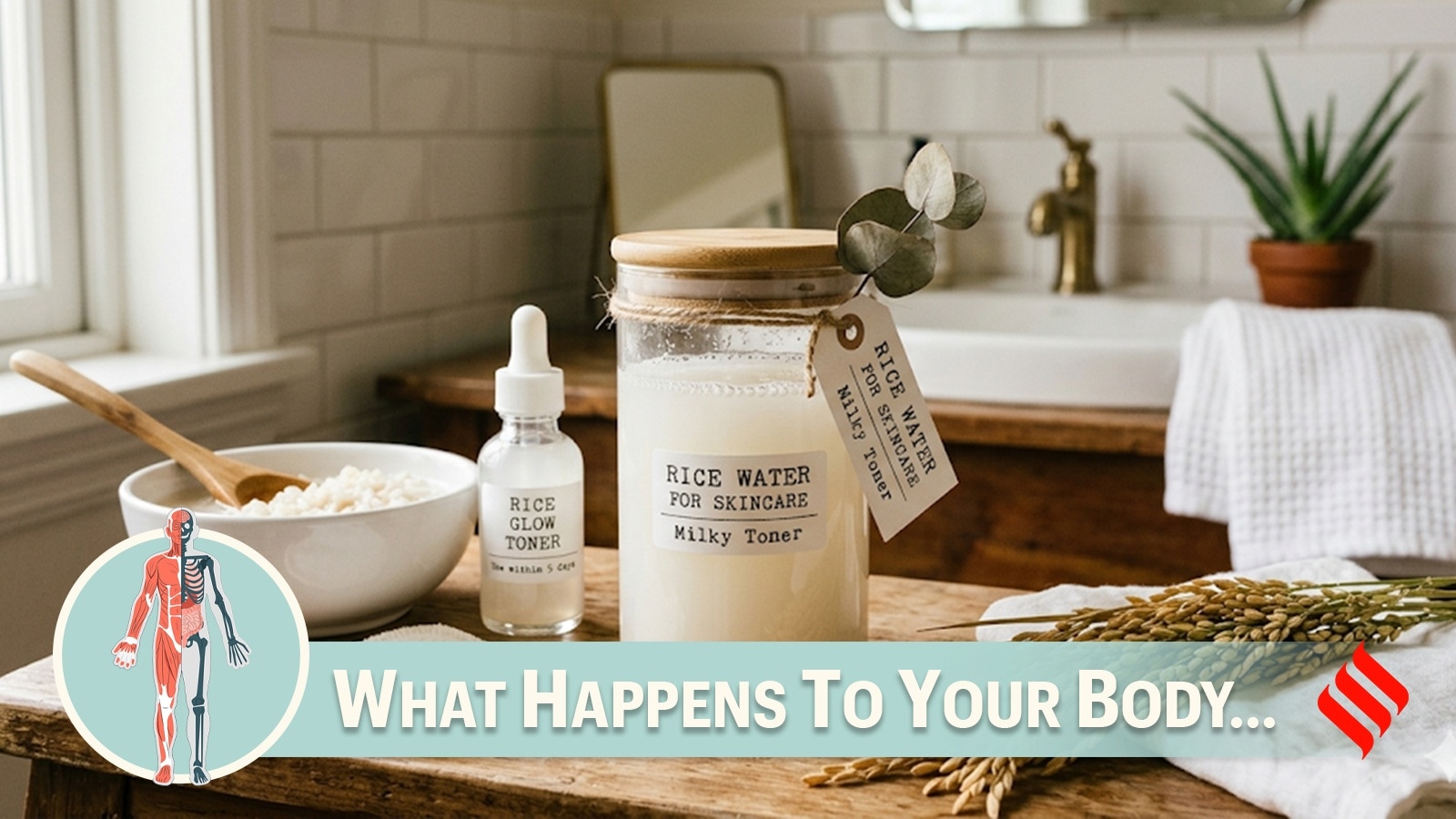
Rice water has long been a part of traditional beauty routines, often praised for its potential to improve skin texture, brighten complexion, and add a natural glow. From DIY skincare enthusiasts to viral social media Korean skincare trends, many people are now experimenting with applying rice water to the face, with some even leaving it on overnight in the hope of maximising its benefits. The appeal is understandable: it’s simple, affordable, and rooted in practices passed down for generations.
However, as with any skincare trend, the way it is used can make a significant difference. Leaving any substance on the skin for extended periods, especially overnight, can have effects that aren’t always obvious at first. Factors such as skin type, concentration, preparation method, and even hygiene can influence whether rice water soothes the skin or causes irritation. While it may seem harmless, prolonged exposure raises important questions about the skin barrier, sensitivity, and overall safety.
What actually happens to the skin when rice water is left on the face overnight?
Dr Palleti Siva Karthik Reddy, MBBS, MD general medicine, FAIG, consultant physician at Elite Care Clinic, tells indianexpress.com, “Rice water contains starch, amino acids, and trace antioxidants that can have a mild soothing and tightening effect on the skin. However, leaving it on overnight creates prolonged occlusion, which can interfere with the skin barrier’s natural regulation.”
He continues, “Over-extended hours, the residue may trap sweat, sebum, and environmental impurities, potentially leading to clogged pores and mild irritation. Instead of sustained nourishment, the skin may experience imbalance, particularly if the formulation is not fresh or properly stored.”
Specific skin types or conditions that may react negatively to leaving rice water on for too long
“Yes, individuals with acne-prone or sensitive skin are more likely to experience adverse reactions,” mentions Dr Reddy, adding that the starchy layer left behind can occlude pores and create an environment that supports bacterial growth, which may aggravate breakouts.
“In sensitive skin, prolonged exposure can disrupt the barrier and lead to redness, itching, or inflammation. Those with conditions like rosacea or active acne should be especially cautious, as even mild, natural ingredients can trigger flare-ups when left on for extended periods,” explains the expert.
The safest and most effective way to use rice water in a skincare routine
According to Dr Reddy, the safest approach is to use rice water as a short-contact treatment rather than an overnight application. It can be applied as a toner or rinse, left on the skin for 10 to 15 minutes, and then washed off with plain water.
Story continues below this ad
“Ensuring the rice water is freshly prepared and stored hygienically is critical to avoid microbial contamination. Limiting usage to a few times a week and observing how the skin responds can help prevent overuse and maintain the integrity of the skin barrier,” concludes Dr Reddy.
DISCLAIMER: This article is based on information from the public domain and/or the experts we spoke to. Always consult your health practitioner before starting any routine.

Leave a Reply