
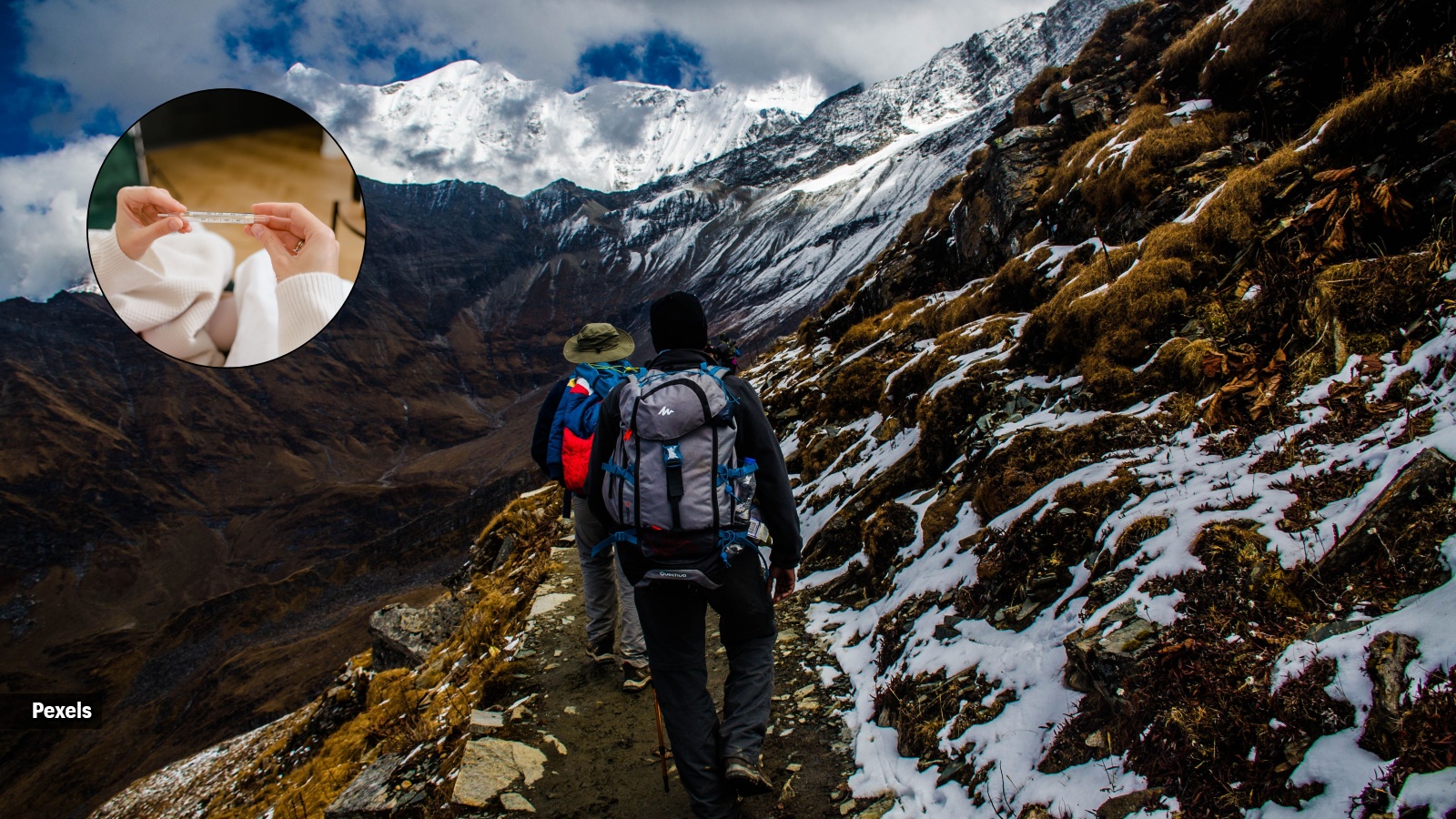
Imagine going on a fabulous trek. You witness the best of landscapes, are awe-struck by nature, feel the triviality of human existence and click hundreds of pictures. You are happy that you did not fall sick and even proud of taking care of yourself during travel.
You return happy, ready to share your travel stories and upload the unbelievable pictures you clicked. But your body has other plans. Fever, fatigue, body ache, choked throat, runny nose, upset stomach, and headaches leave you shocked. You were absolutely fine during your trek and even scaled mountains; then why this delayed illness?
DISCLAIMER: This article is based on information from the public domain and/or the experts we spoke to. Always consult your health practitioner before starting any routine.
Don’t worry, you aren’t alone in experiencing this. This post-trek slump is popular among seasoned travellers and is called “trek fever”. While it is not a specific medical diagnosis, falling ill after strenuous trekking is not unusual. According to Dr Manjusha Agarwal, Consultant-Internal Medicine, Gleneagles Hospital Mumbai, several factors can come together to make you feel unwell once the physical challenge is over.
Why can a strenuous trek make you sick later?
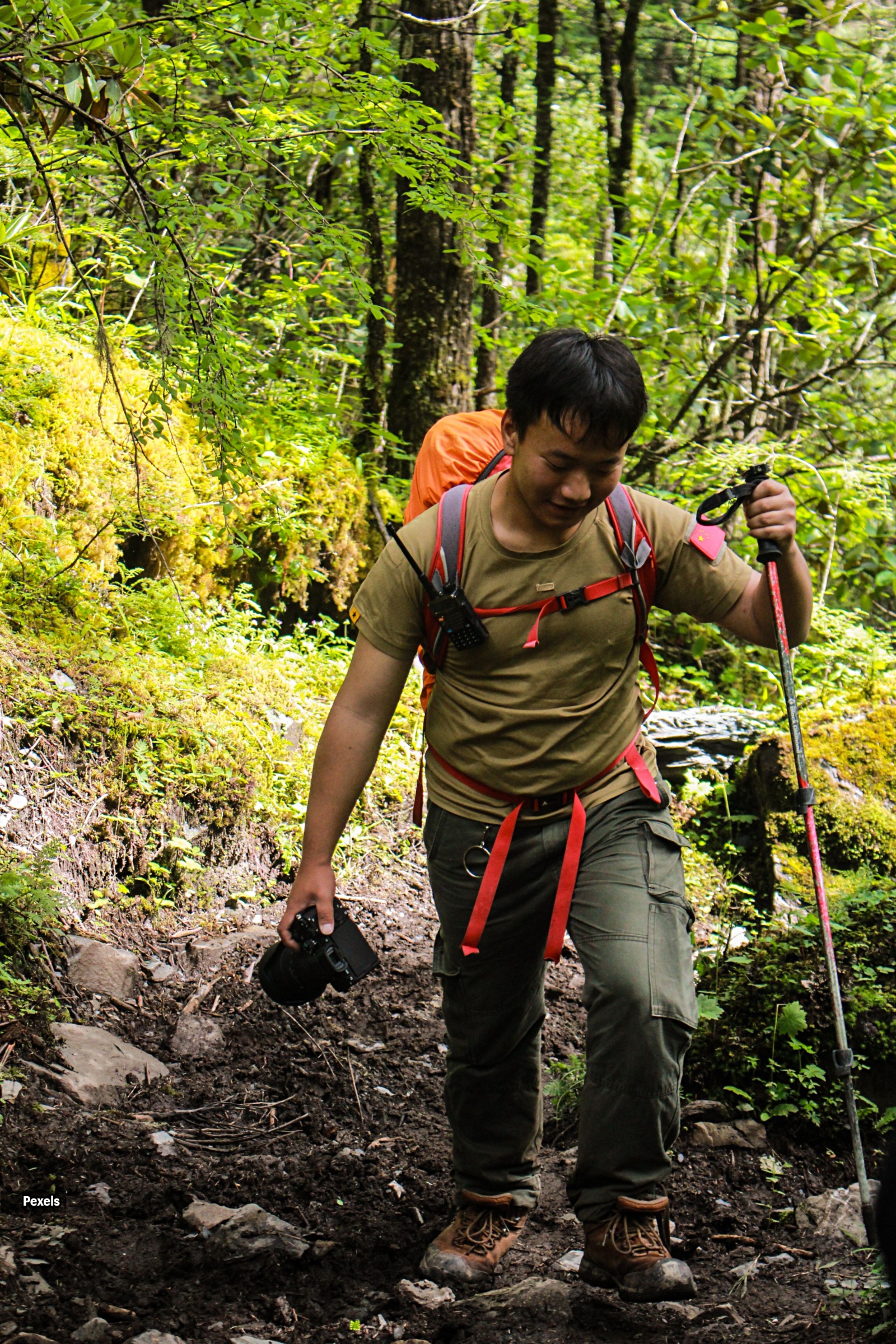 Prolonged high-intensity physical activity can temporarily reduce the body’s immune defences (Image: Pexels)
A trek is a significant physical stressor, and your body may not show the effects immediately.
“A strenuous trek leads to stress on the body, and symptoms of illness may only appear once the body begins to recover,” Dr Agarwal explains indianexpress.com.
Physical fatigue, exposure to a new environment and an underlying viral infection can all become noticeable after the trek. Intense physical exertion can also temporarily affect the body’s immune defences.
Story continues below this ad
“Prolonged high-intensity physical activity can temporarily reduce the body’s immune defences, making it easier for viruses or bacteria to cause infection,” Dr Agarwal confirms the online claims.
The effect is usually short-lived, but it can be more pronounced when the body does not get adequate time to recover.
How the way you trek defines your post-trek illness
How you treat your body during the trek also matters. Dehydration, poor nutrition and inadequate sleep can reduce the body’s ability to recover and fight infections.
Extreme heat, cold or rain can put additional stress on the body, further increasing the likelihood of feeling unwell after the trek.
Story continues below this ad
This means a physically demanding trek combined with inadequate food, fluids or sleep can leave you more vulnerable when you return.
What if you don’t fall sick until 2–3 days later?
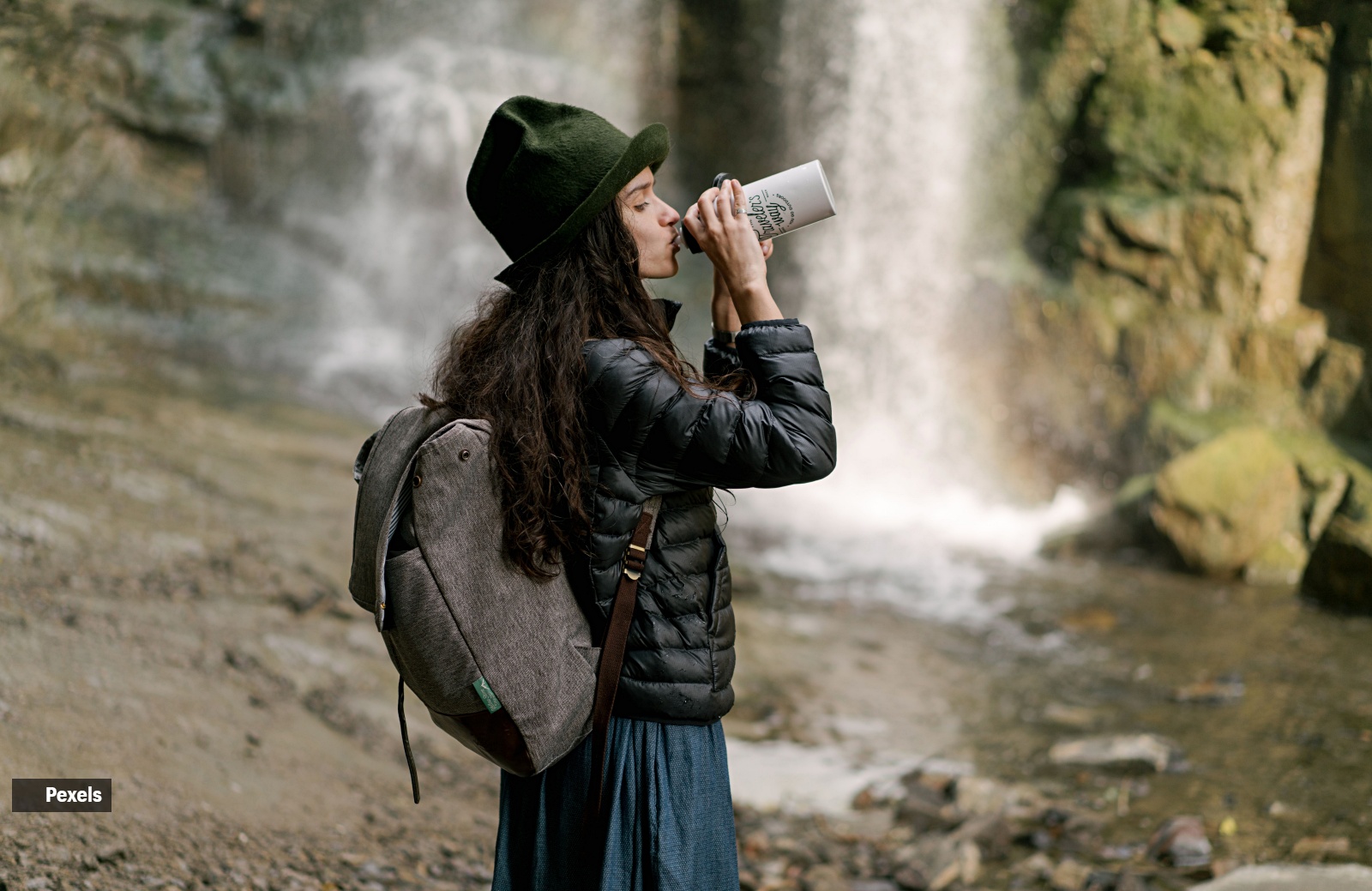 Drink safe water and stay well hydrated before and after the trek (Image: Pexels)
Some trekkers, especially beginners, experience this illness not immediately after returning but after a couple of days. However, a delayed onset does not necessarily mean the illness has nothing to do with the trek.
“It is not uncommon for infections acquired during travel or trekking to appear after an incubation period of 2–3 days,” Dr Agarwal notes.
Depending on your exposure, viral illnesses, food- or water-borne infections and mosquito-borne diseases may develop only after you have returned home. If you consumed potentially unsafe food or water or had significant mosquito exposure during the trip, delayed symptoms should not be ignored.
Story continues below this ad
How do you know if it is just post-trek exhaustion?
Not every ache, tired feeling or general sense of being unwell means you have caught an infection. Muscle soreness and fatigue are common after strenuous physical activity.
The key is whether you start feeling better with recovery or whether symptoms persist or worsen.
“Normal post-trek fatigue usually improves within 24–48 hours with rest, hydration and proper nutrition,” Dr Agarwal clarifies.
Persistent fever, worsening cough, severe body aches, vomiting, diarrhoea or breathing difficulty, however, can suggest an infection and require medical evaluation.
Story continues below this ad
When should you see a doctor?
 Visit doctor if fever persists beyond 48 hours, exceeds 101°F, or is accompanied by breathing difficulty or chest pain (Image: Pexels)
If you are simply tired after a trek, adequate rest, fluids and nutrition may be enough to help you recover. But certain symptoms should not be brushed off as ordinary post-trek fatigue.
“Medical attention is recommended if fever persists beyond 48 hours, exceeds 101°F, or is accompanied by breathing difficulty, chest pain, persistent vomiting, confusion, or severe weakness,” Dr Agarwal strongly recommends.
Early evaluation can help identify an infection and prevent complications.
How can you avoid falling sick after a trek?
Recovery should be considered part of the trek, rather than something that begins only after you return.
Story continues below this ad
Dr Agarwal recommends staying well hydrated, eating balanced meals and getting adequate sleep before and after strenuous physical activity. Maintain hand hygiene, drink safe water and use insect repellents where necessary.
It also helps to build fitness gradually rather than suddenly pushing your body beyond its usual capacity. Allowing sufficient recovery after a demanding trek can further reduce physical stress.
So, if you return from a trek feeling wiped out, do not automatically label every ache or tired spell as “trek fever”. Rest, rehydrate and eat properly. But if fever persists, symptoms worsen or warning signs such as breathing difficulty or chest pain appear, get yourself checked.
DISCLAIMER: This article is based on information from the public domain and/or the experts we spoke to. Always consult your health practitioner before starting any routine.

Leave a Reply