
3 min readNew DelhiApr 19, 2026 12:00 PM IST
When someone has a fever, the instinct is often to cool the body down as quickly as possible—sometimes with cold water. But experts say this approach can backfire. According to Dr Meenal Thakral, Consultant-Geriatric Medicine, Artemis Hospitals, using room-temperature or lukewarm water is not only safer but also more effective.
Why not cold water?
“Water that is room temperature or lukewarm is better because it cools the body slowly without making it feel stressed,” explains Dr Thakral.
During a fever, the body’s internal thermostat is already set higher. “Cold water shocks the skin, causing blood vessels to narrow and triggering shivering, which actually generates more heat,” she says.
In contrast, lukewarm water works with the body. “It allows heat to escape gradually through the skin, helping bring the temperature down naturally,” she adds. It’s also far more comfortable, especially for children, making the process calmer and more effective.
DISCLAIMER: This article is based on information from the public domain and/or the experts we spoke to. Always consult your health practitioner before starting any routine.
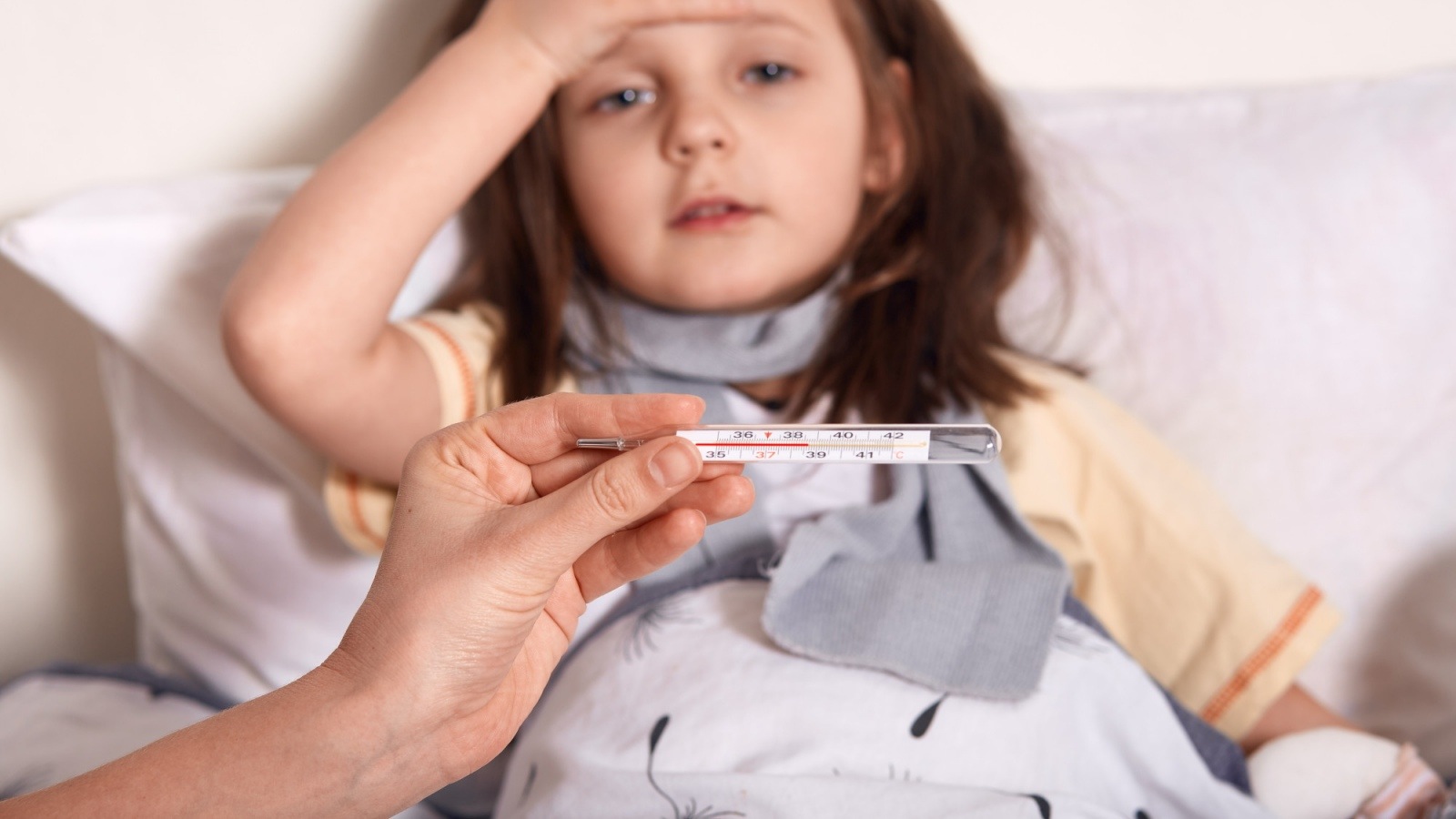
 Is tap water more effective in fever (Photo: Freepik)
Can cold water make fever worse?
“When very cold water is applied, the body tries to conserve heat,” says Dr Thakral. “This leads to shivering and vasoconstriction, which prevents heat loss.” The result? The cooling effect is short-lived. “The fever may return quickly, and the person may feel more uncomfortable and stressed,” she notes.
Why children and the elderly need extra care
“Children and older adults have less stable systems for controlling body temperature,” explains Dr Thakral. “Children tend to shiver quickly, which can push their temperature up further, while older adults may have poor circulation and slower responses.”
Story continues below this ad
She adds that these groups are more vulnerable to discomfort and complications. “Cold sponge baths can make them feel weak, chilled, or even unwell,” she says. Because of this sensitivity, gentle and controlled cooling is essential.
The safest way to give a sponge bath
A proper sponge bath is simple, but technique matters, says Dr Thakral. “Use a soft cloth and lukewarm tap water,” advises Dr Thakral. “Gently sponge areas like the forehead, neck, armpits, and back, where heat can escape more easily.”
She cautions against overdoing it. “Do not use very cold water or soak the entire body. Keep the room comfortably warm and stop if the person starts to shiver.”
The goal, she emphasises, is comfort, not rapid cooling. “Along with this, ensure proper hydration and follow medications like paracetamol as advised by your doctor.”
Story continues below this ad
DISCLAIMER: This article is based on information from the public domain and/or the experts we spoke to. Always consult your health practitioner before starting any routine.

Leave a Reply