

After the recent hantavirus concerns, should people avoid cruises altogether? This is what we asked experts who assured that there is “no reason for panic or for people to avoid cruise travel completely”. “Hantavirus infections are relatively uncommon and are primarily linked to exposure to infected rodents, their droppings, urine, or contaminated environments. Cruise ships generally follow strict sanitation and hygiene protocols,” said Dr Aniket Mule, consultant, internal medicine, KIMS Hospitals, Thane.
DISCLAIMER: This article is based on information from the public domain and/or the experts we spoke to. Always consult your health practitioner before starting any routine.
However, travellers should remain mindful about personal hygiene and overall infection prevention, especially in crowded travel settings where multiple illnesses can spread more easily, Dr Mule added.
Notably, Hantavirus does not spread like the common cold through casual person-to-person contact in most cases. “The infection usually occurs when people inhale virus particles from rodent waste in enclosed or poorly cleaned areas. On cruise ships, the risk remains low if hygiene standards are maintained properly. The concern is greater during shore excursions, storage areas, poorly ventilated cabins, or places where rodent exposure may occur indirectly,” explained Dr Mule.
What precautions should travellers take before boarding a cruise?
Stressing that travellers should prioritise general preventive health measures, Dr Mule continued: “This includes carrying hand sanitisers, disinfecting frequently touched surfaces, staying updated on vaccinations recommended for travel, and avoiding consumption of uncovered or improperly stored food. It is also advisable to choose reputed cruise operators that maintain transparent hygiene and sanitation practices. People with chronic illnesses, compromised immunity, or respiratory conditions should consult their physician before long-distance travel.”
 The standard precautionary measures need to be followed (Photo: Getty Images/Thinkstock)
What symptoms should people watch out for during or after travel?
Early symptoms of Hantavirus can resemble a viral flu, including fever, fatigue, bodyache, headache, and chills. “Some individuals may later develop breathlessness, chest discomfort, or severe respiratory distress. While these symptoms can overlap with several viral infections, travellers should not ignore persistent fever or breathing difficulty after returning from a trip. Timely medical evaluation is important because delayed treatment can worsen complications,” said Dr Mule.
What is the broader health advice for people planning cruises this season?
Nutritionally, one of the biggest mistakes people make while cruising is overloading the body with excess sugar, alcohol, processed foods, and poor sleep, all of which can temporarily weaken immune resilience. “Travel already places stress on the body through irregular routines, dehydration, and altered sleep cycles,” said consultant dietitian and fitness expert Garima Goyal.
Goyal listed some practical nutrition-based precautions, which include:
Story continues below this ad
*Prioritising freshly cooked hot meals over long-exposed buffet foods
*Ensuring adequate protein intake, since protein is essential for immune cell function
*Including foods rich in vitamin C, zinc, and antioxidants, such as fruits, salads, nuts, seeds, and vegetables
*Staying properly hydrated, especially because cruises often involve excess sodium, alcohol, and sun exposure
*Supporting gut health through curd, yogurt, fermented foods, or probiotics when tolerated, since gut health plays a major role in immunity
*Avoiding excessive alcohol intake, which can impair immune response and worsen dehydration
Another important factor is food hygiene awareness.” Even healthy foods can become risky if hygiene standards are poor. Choosing clean dining areas, washing hands before meals, and avoiding questionable raw foods become especially important during travel,” said Goyal.
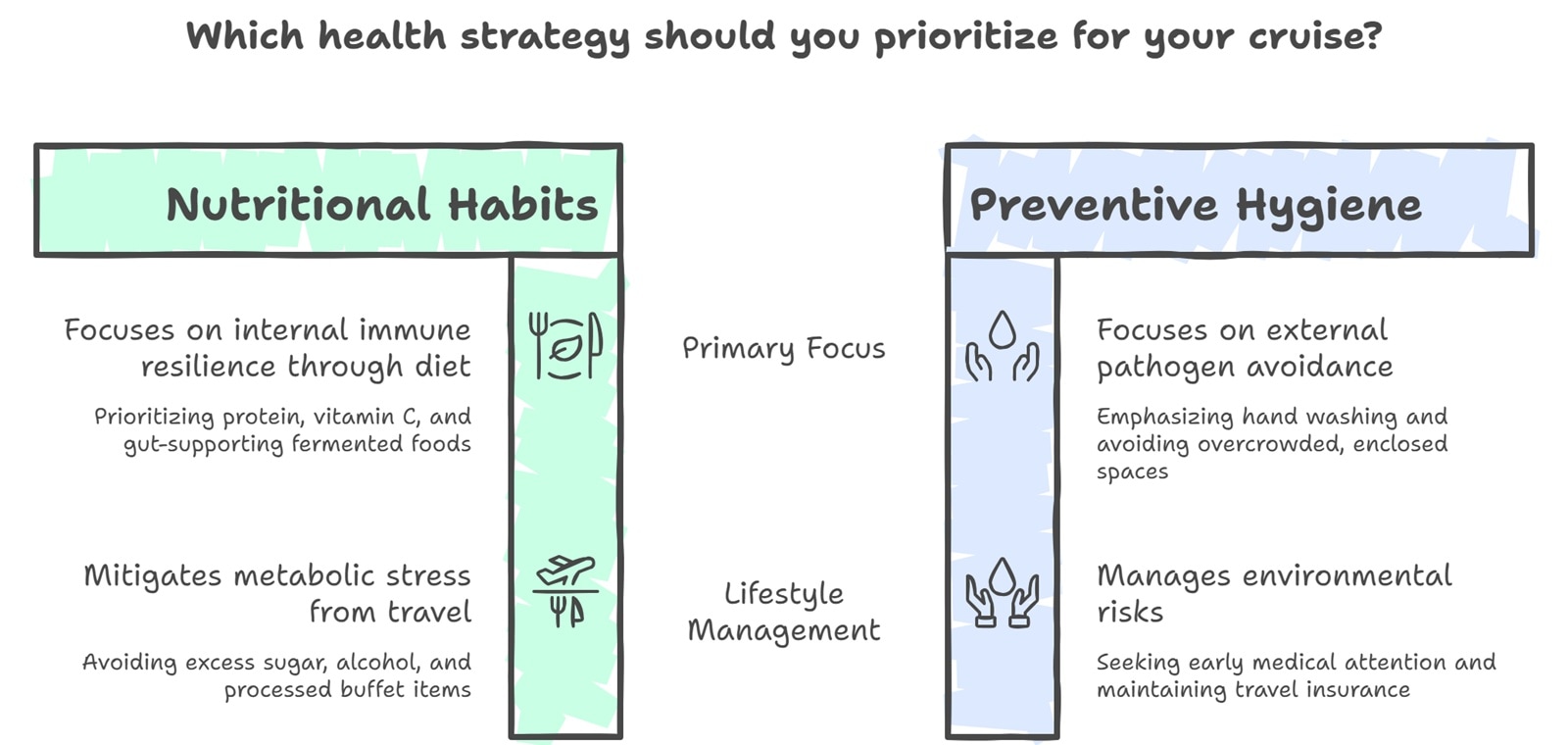 Here’s a guide (Photo: AI)
From a broader health perspective, immunity is not built overnight through supplements alone. “It depends heavily on sleep quality, stress control, hydration, balanced nutrition, and overall metabolic health,” noted Goyal.
Cruise vacations can still be enjoyed safely with sensible precautions. Experts note that good hand hygiene, adequate hydration, proper sleep, safe eating habits, and avoiding overcrowded enclosed areas when feeling unwell remain the simplest and most effective safeguards. “Travellers should also carry essential medications, maintain travel insurance, and seek medical attention early if symptoms arise instead of self-medicating. Awareness and preventive behaviour are far more useful than fear when dealing with infection-related concerns during travel,” said Dr Mule.
Story continues below this ad
DISCLAIMER: This article is based on information from the public domain and/or the experts we spoke to. Always consult your health practitioner before starting any routine.

Leave a Reply