
5 min readNew DelhiMay 27, 2026 12:00 PM IST
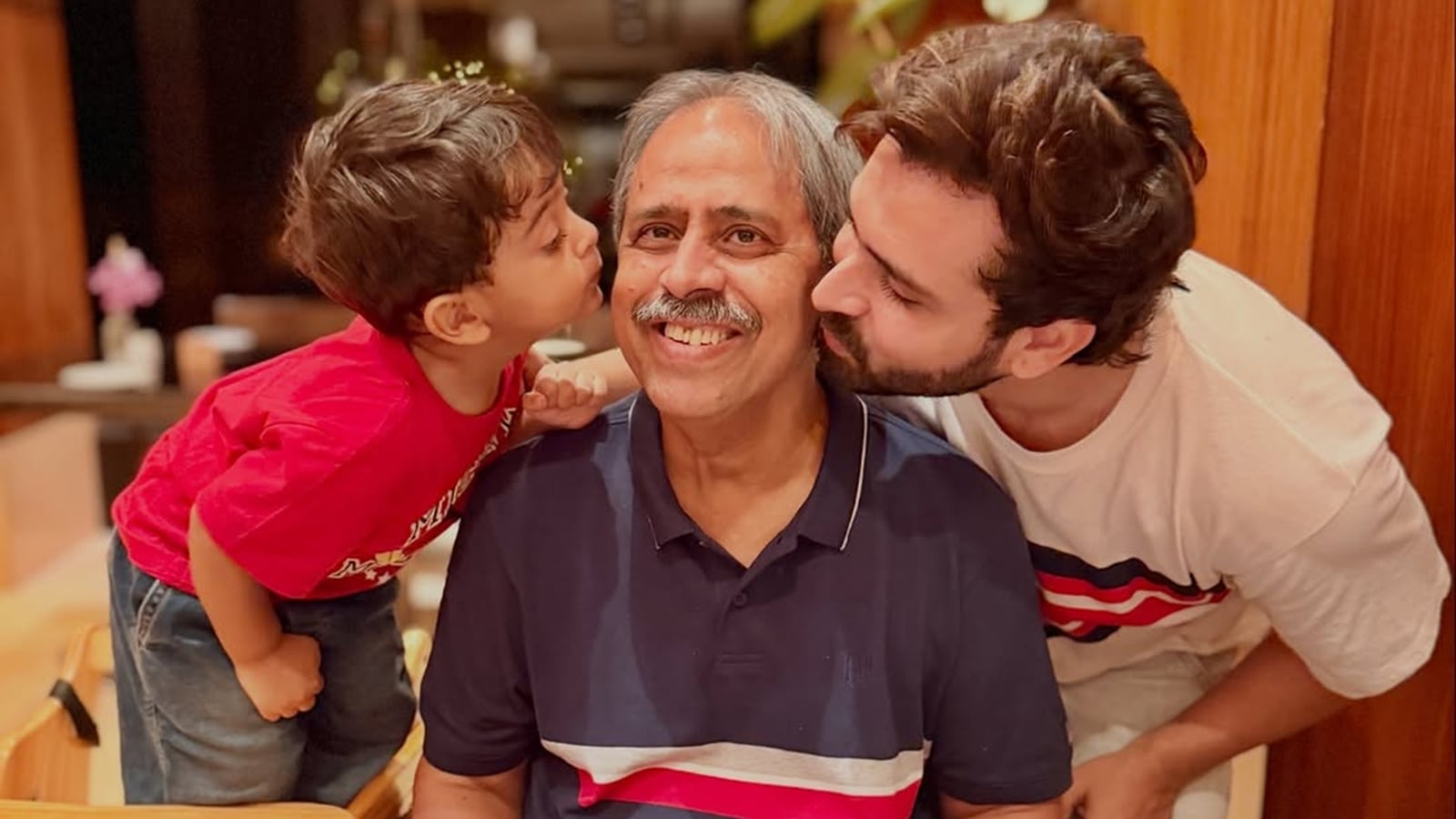
Serious neurological conditions can affect not only the person receiving treatment but also families who suddenly find themselves navigating uncertainty, medical procedures, and difficult decisions. Actor Shoaib Ibrahim recently shared an update about his father’s health and explained that the current situation differs from the earlier stroke he experienced. Speaking about his father’s condition, he said, “Stroke nahi, actually unko (his father) is baar haemorrhage keh sakte hain. Toh abhi kai log messages hain ki kaisi hain condition bata do. Toh condition aisi hai ki, itni better nahi hai papa ki condition (He did not have a stroke, instead you can call it brain haemorrhage this time. Everyone has been messaging asking how he is doing. His condition is not better).” He further explained, “When he suffered a stroke previously, it was due to a blood clot, because of which the left side of his body had been paralysed. However, he had recovered well at that time and was able to talk. But this time, there has been a haemorrhage and a lot of bleeding in the back of the brain. I think, from what I have seen, he has vision issues, too. His BP is under control, and doctors are saying that the senses are usually drowsy in this condition.”
DISCLAIMER: This article is based on information from the public domain and/or the experts we spoke to. Always consult your health practitioner before starting any routine.
He also spoke about the emotional challenges of witnessing a loved one in a critical state, saying, “Himmat se hum sab lagey hue hain. Papa ko jab aisa dekhta hoon toh achcha nahi lagta hain… ghar pe ammi ko maine bulaaye nahi hain. Main nahi chahta ammi dekhe unko aisa lete hue. Papa se milne sirf main hi jaa raha hoon (All of us are being courageous. I don’t like it when I see my father like this. I don’t want my mother seeing him bedridden like this. I am the only one who has been going to meet him).”
So what distinguishes a stroke from a brain haemorrhage?
Dr Jagdish Chattnalli, senior minimal invasive brain and spine surgeon, Bengaluru West Clinics, HCG Hospitals Bengaluru, tells indianexpress.com, “A stroke caused by a blood clot, known as an ischemic stroke, occurs when blood flow to a part of the brain is blocked. In contrast, a hemorrhagic stroke happens when a blood vessel ruptures and causes bleeding within or around the brain. While both can present with weakness, speech difficulty, or facial drooping, bleeding-related strokes are more commonly associated with sudden severe headache, vomiting, reduced consciousness, or rapid neurological deterioration.”
He reveals that the treatment approach is also fundamentally different. Ischemic strokes may require clot-dissolving medication or procedures to restore blood flow, whereas hemorrhagic strokes focus on controlling bleeding, reducing pressure within the skull, and preventing further brain injury.
Symptoms of bleeding in the back part of the brain
Bleeding in the posterior part of the brain can affect regions responsible for balance, coordination, vision, and vital neurological functions.
“As bleeding progresses or swelling develops, it can increase pressure within the skull and interfere with nearby brain structures, which may lead to drowsiness, confusion, altered consciousness, or visual disturbances. In such cases, doctors closely monitor neurological status, blood pressure, oxygenation, brain swelling, and signs of worsening pressure on the brain. Serial imaging and intensive care observation are often critical because even small changes in neurological function can indicate significant progression,” shares Dr Chattnalli.
Story continues below this ad
What influences the recovery process?
Recovery after a major neurological event depends on several factors, including the location and severity of the stroke, the patient’s age, existing medical conditions, and whether there has been prior brain injury from an earlier stroke.
“Patients with recurrent strokes may have a slower or more complicated recovery because the brain’s reserve capacity is already reduced. Rehabilitation plays a central role and often requires a multidisciplinary approach involving neurologists, physiotherapists, speech therapists, and psychological support. For caregivers, maintaining medication adherence, monitoring for complications, and creating a structured recovery environment are essential. At the same time, families should recognise that emotional exhaustion, anxiety, and uncertainty are common during prolonged recovery, making counselling and social support equally important components of care,” concludes Dr Chattnalli.
DISCLAIMER: This article is based on information from the public domain and/or the experts we spoke to. Always consult your health practitioner before starting any routine.

Leave a Reply