

5 min readNew DelhiSep 20, 2026 06:00 PM IST
Shashi Tharoor and Anupam Kher recently found themselves at the same medical imaging clinic in Beverly Hills, California, for a full-body scan. Sharing photos with the Kher on X, Tharoor said he had undertaken the scan while in California and happened to run into the actor, who was there for the same reason.
“While in California, undertook a full-body scan at the Beverley Hills Medical Imaging Clinic run by former Delhiite Puneet Chandak — and ran into an old friend (and more recent critic!), @anupamkher, who was there for the same thing!” Tharoor wrote on X.
He also explained why he chose to get the scan abroad, saying it was easier for him to find four hours in Los Angeles than in India. According to Tharoor, Chandak invited both him and Kher to benefit from the experience as his guests.
But does being in your 70s mean you need a full-body scan or comprehensive health check-up every year?
DISCLAIMER: This article is based on information from the public domain and/or the experts we spoke to. Always consult your health practitioner before starting any routine.
How often should you get a health check-up in your 70s?
While in California, undertook a full-body scan at the Beverley Hills Medical Imaging Clinic run by former Delhiite Puneet Chandak — and ran into an old friend (and more recent critic!) @anupamkher, who was there for the same thing! pic.twitter.com/J6CL83Uz7m
— Shashi Tharoor (@ShashiTharoor) September 17, 2026
According to Dr Prashanth Rao, Director of Surgical Gastroenterology and Minimal Access Surgery, Gleneagles Hospital Parel, people in their 70s should have at least one preventive health check-up every year.
“Regular visits also help detect changes in health early,” Dr Rao tells indianexpress.com. The frequency may be higher for people who already have health conditions or take multiple medications.
But an annual preventive health check-up does not necessarily mean getting every scan or test available.
Story continues below this ad
What should a check-up in your 70s include?
A routine check-up should go beyond blood tests. It should cover “blood pressure, weight, nutrition, mobility, vision, hearing, sleep, mental health and medication review,” as Dr Rao advises.
Doctors should also assess fall risk, memory and daily functioning. Vaccination status and age-appropriate cancer screenings should be reviewed as well.
Depending on the individual, tests may include blood sugar or HbA1c, cholesterol, kidney and liver function and a complete blood count. Screening for osteoporosis, vision and hearing problems, and cancers should also be considered based on age, sex and medical history.
“Not every test is required for every person,” Dr Rao further clarifies.
Story continues below this ad
Do you need an annual ‘full-body check-up’?
Not necessarily. While an annual health review can be useful, Dr Rao explains that a blanket package of scans and tests is not appropriate for everyone.
“A routine annual health review is useful, but a package of tests marketed as a ‘full body check-up’ is not necessary for everyone.”
Instead, screening should be personalised according to age, symptoms, medical history, medications and risk factors. Unnecessary tests can sometimes lead to false alarms and further investigations.
What if you have diabetes, hypertension or heart disease?
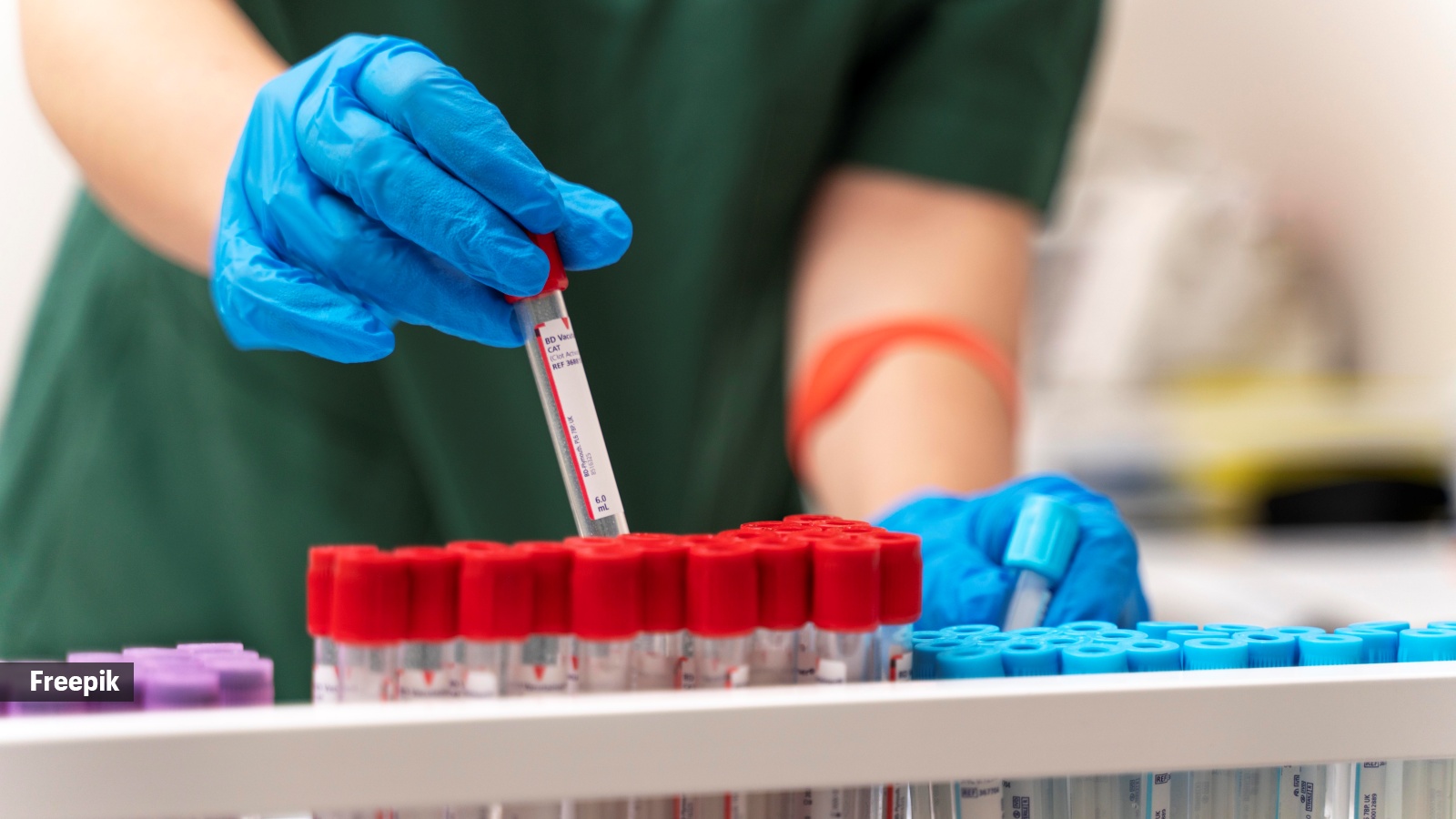 People with diabetes, hypertension or heart disease may need more frequent follow-ups than once a year (Freepik)
People with diabetes, hypertension or heart disease may need more frequent follow-ups than once a year, depending on how well their condition is controlled.
Story continues below this ad
“Blood pressure, blood sugar, kidney function and medications may need regular monitoring.” The treating doctor should decide how frequently these checks are needed.
Which symptoms should not be ignored?
“New or unexplained symptoms should not simply be considered part of ageing,” Dr Rao recommends.
Chest pain, breathlessness, sudden weakness, confusion, fainting, unexplained weight loss, persistent bleeding or a sudden change in bowel or bladder habits need timely medical attention. Sudden neurological symptoms require emergency evaluation.
So, while Tharoor and Kher’s full-body scans have put preventive health checks in the spotlight, staying on top of health in your 70s is not necessarily about getting every scan available. A regular preventive review, with tests and screenings tailored to your individual health needs, may be more appropriate.
Story continues below this ad
DISCLAIMER: This article is based on information from the public domain and/or the experts we spoke to. Always consult your health practitioner before starting any routine.

Leave a Reply