
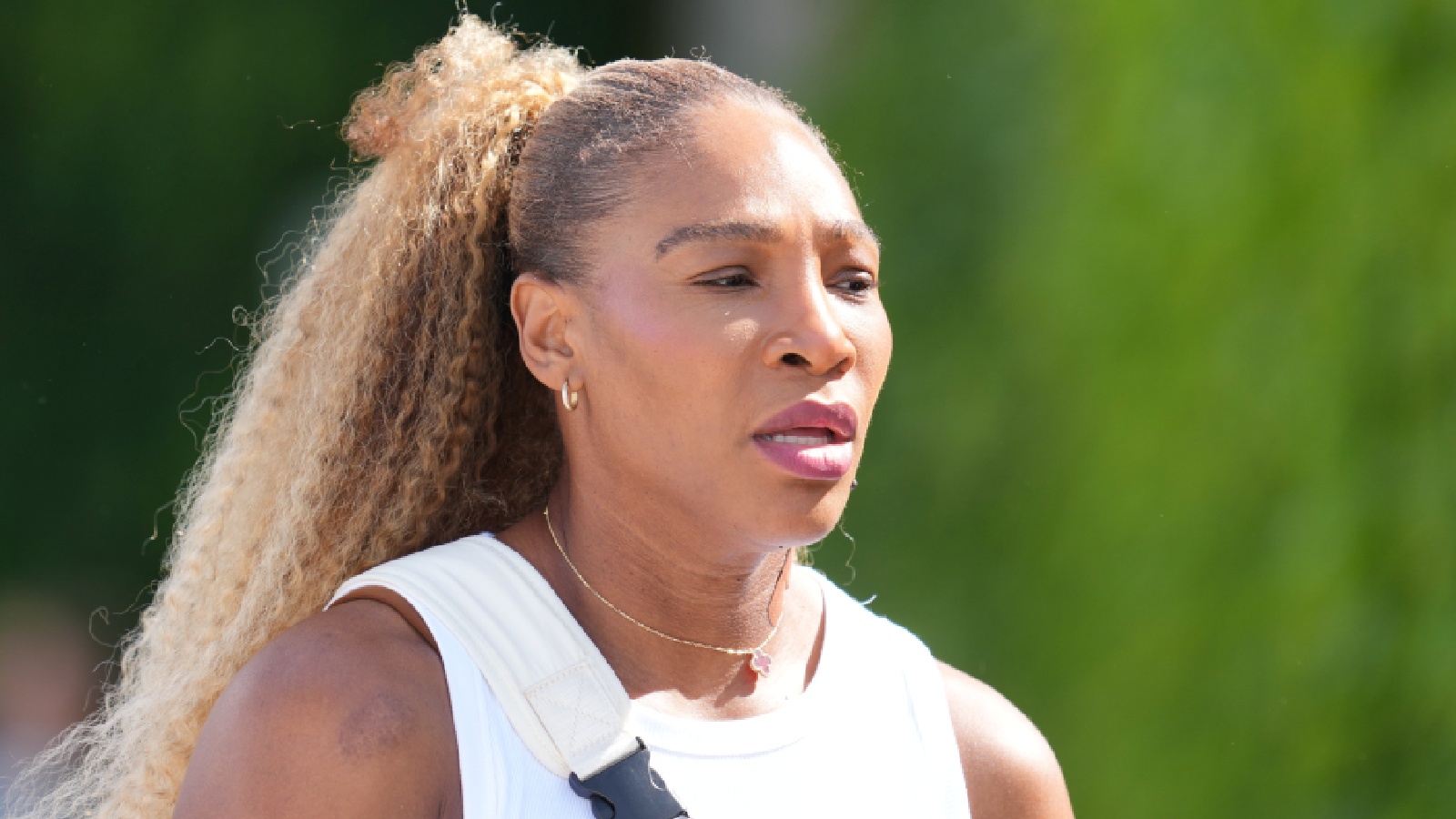
Serena Williams, who withdrew from Wimbledon doubles with sister Venus Williams owing to a knee injury, took to Instagram to pen a detailed note and share details about the nature of the injury. “I’m heartbroken to have to withdraw from doubles. Coming back to compete again has been a gift, and the opportunity to play alongside @venuswilliams once more meant the world to me. I did everything I could to be ready, but unfortunately my knee just isn’t ready to compete. I’m especially grateful to tournament director, Jamie Baker, and the entire tournament team for giving me every opportunity to play here. Thank you to the fans for your incredible support and for making this comeback so meaningful…All I can say is stay tuned to a city near you…”
DISCLAIMER: This article is based on information from the public domain and/or the experts we spoke to. Always consult your health practitioner before starting any routine.
She continued, “The photo of the syringes shows the fluid they drained from my knee after my singles match…yikes! The good news is my knee shouldn’t swell or collect that much fluid again. The bad news is that, as hard as I tried, I just wasn’t able to get it ready for doubles.”
Dr Swapnil Zambare, consultant arthroscopy at KIMS Hospitals Thane, explained that fluid build-up in the knee, known as a knee effusion, is the body’s way of signalling that the joint needs attention. “In professional athletes, it often happens after intense physical activity or irritation of structures like the cartilage, meniscus, ligaments, or the joint lining. Swelling itself is not an injury, but it shows ongoing inflammation. A swollen knee can limit movement, reduce muscle control, cause pain, and make it hard to perform at a competitive level,” said Dr Zambare.
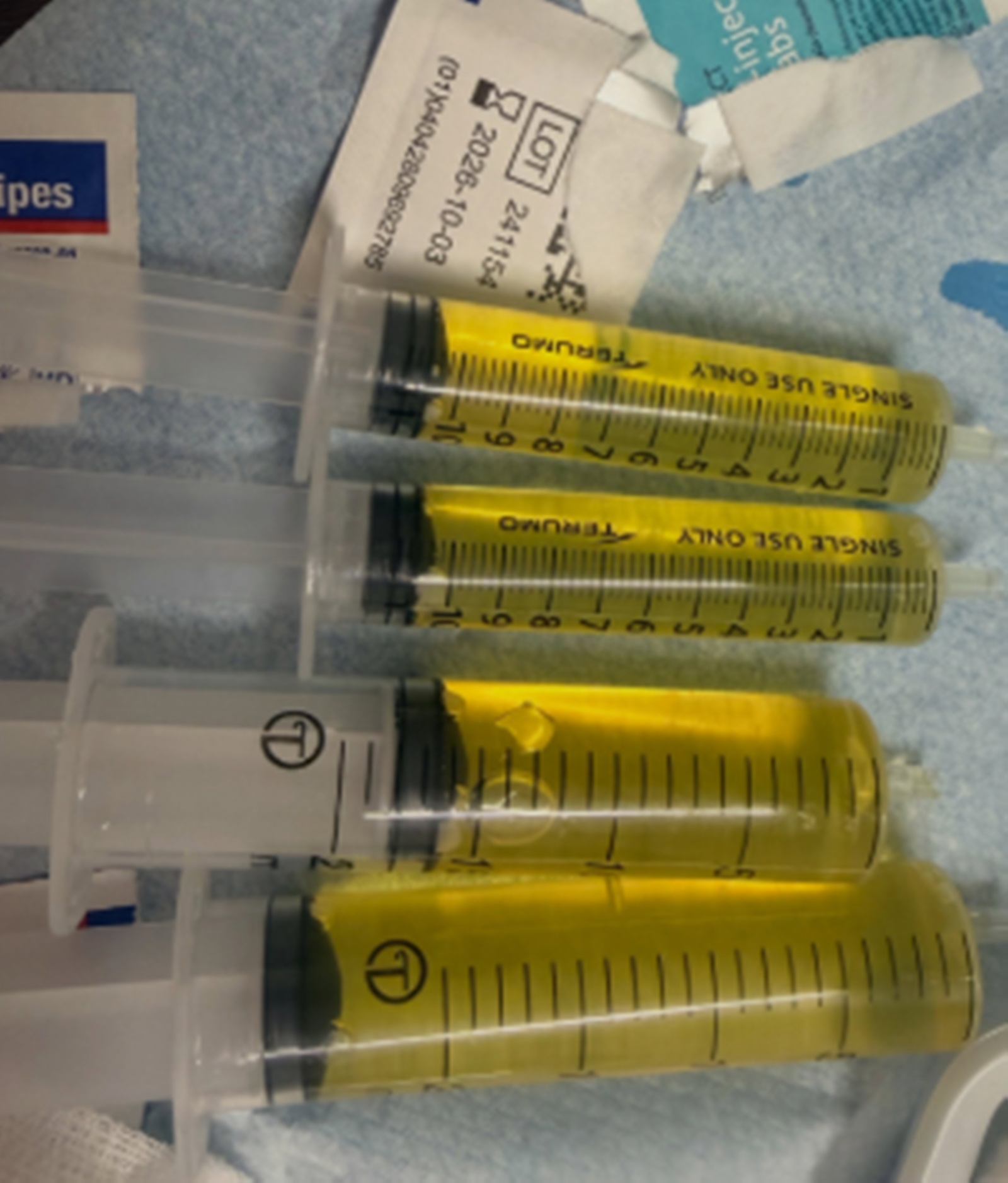 Serena Williams shares a glimpse of her knee injury (Photo: Serena Williams/Instagram)
Serena also shared a picture of syringes filled with fluid drained from her knee. Why is this procedure done?
Dr Zambare explained that the procedure, called joint aspiration, removes excess fluid from the knee. “This helps relieve pressure, reduce discomfort, and improve mobility. Sometimes, the fluid is examined to find out the cause of the swelling, such as inflammation, bleeding, or infection. However, draining the fluid does not treat the underlying injury. If the source of irritation persists, the knee can keep swelling, especially under the demands of high-intensity sport. This is why an athlete may feel temporary relief but still be advised against competing,” said Dr Zambare.
The expert noted that continuing to play with an inflamed knee can impact balance, stability, and muscle function, raising the risk of worsening the current injury or harming other structures. “In sports like tennis, where sudden pivots, lunges, and explosive movements are common, a weakened knee can greatly affect both performance and safety,” said Dr Zambare.
What does recovery usually involve in cases like this?
Story continues below this ad
The treatment plan depends on what caused the swelling. “Along with rest and changing activities, rehabilitation usually includes physiotherapy to rebuild strength, flexibility, and joint stability. Ice, compression, and anti-inflammatory steps may help manage symptoms, but equal focus is placed on fixing the underlying issue. The goal is not just to reduce swelling but also to ensure the knee can handle the physical demands of competition without raising the risk of long-term joint damage,” said Dr Zambare.
DISCLAIMER: This article is based on information from the public domain and/or the experts we spoke to. Always consult your health practitioner before starting any routine.

Leave a Reply