
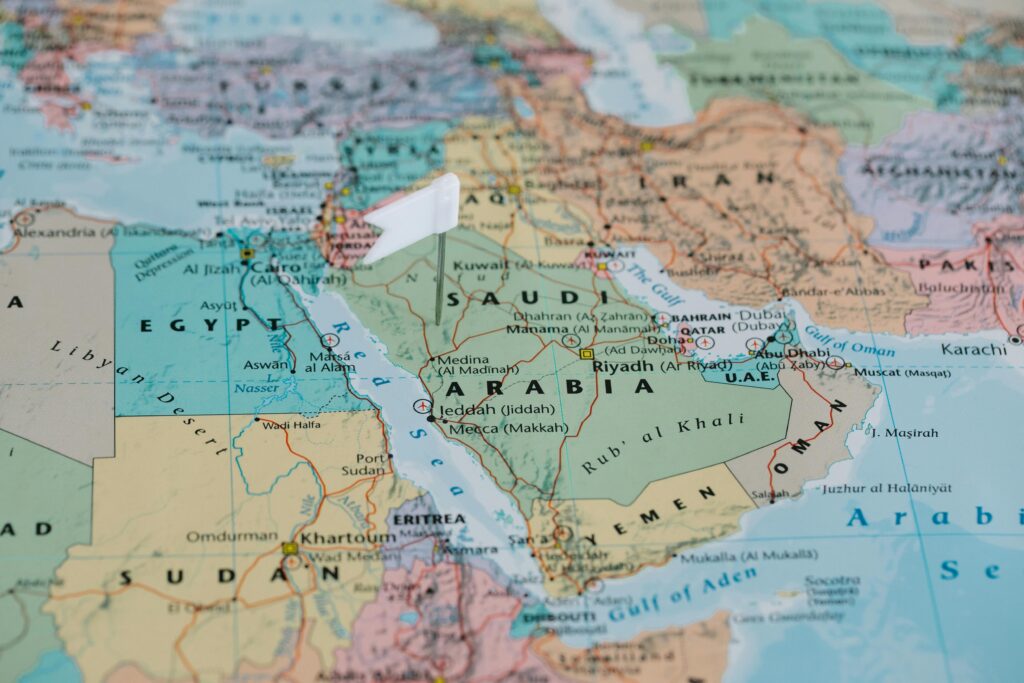
Saudi Arabia has publicly urged Emirati-backed separatist forces in southern Yemen to withdraw from two governorates they recently seized, stepping up pressure on a key ally and highlighting deepening rifts within the coalition fighting the Iran-aligned Houthi movement.
What Happened
The Southern Transitional Council (STC) — a separatist movement backed by the United Arab Emirates — moved its forces into the oil-rich governorates of Hadramout and al-Mahra earlier this month.
On Christmas Day, Saudi Arabia’s Foreign Ministry issued a statement calling on the STC to pull back from these areas and return them to their previous positions, handing control back to the National Shield Forces aligned with Yemen’s internationally recognised government.
Riyadh described the STC’s actions as an “unjustified escalation” that harms the interests of Yemenis and undermines the unity of the anti-Houthi coalition.
Why This Matters
The demand exposes serious fault lines in the otherwise united front against the Houthis:
1. Rift Between Saudi Arabia and UAE Backed Forces
Although both Riyadh and Abu Dhabi are key partners in the coalition, their interests in Yemen now diverge sharply. The UAE has long supported the STC’s push for greater autonomy or even independence for southern Yemen, while Saudi Arabia remains officially committed to restoring the internationally recognised government and maintaining Yemen’s territorial integrity. This has led to competing military and political agendas on the ground.
2. Political and Symbolic Impact
The STC’s control of Hadramout and al-Mahra—areas with significant economic resources—strengthens its bargaining position and raises fears of a renewed push toward southern secession. Supporters of the separatists have increasingly flown the flag of former South Yemen, a state that existed from 1967 to 1990, and demonstrations have taken place in Aden calling for independence.
3. Potential for Intra-Coalition Violence
Saudi Arabia’s demand, if unheeded, risks sparking clashes between allied factions. Both Riyadh and Abu Dhabi have previously coordinated military efforts against the Houthis, but this latest confrontation shines a spotlight on the fragility of that partnership and could divert attention away from the Houthi front.
Diplomacy Underway — But Progress Limited
According to Saudi officials, mediation efforts are ongoing to negotiate the withdrawal of STC forces and a return to previous positions, though there is no indication yet of a breakthrough. Local authorities in Hadramout have publicly supported Saudi calls for the separatists’ withdrawal.
Broader Context: Yemen’s Prolonged Conflict
The current tension unfolds against the backdrop of more than a decade of civil war in Yemen, which began with the Houthi takeover of the capital, Sanaa, in 2014. A Saudi-led coalition intervened in 2015 to restore the internationally recognised government, drawing in regional powers and triggering one of the world’s worst humanitarian crises.
The Houthis continue to hold much of northern Yemen and remain the principal adversary of both Saudi and coalition forces—yet the recent discord highlights how internal disputes among anti-Houthi factions could weaken the overall war effort and further complicate prospects for peace.

Leave a Reply