
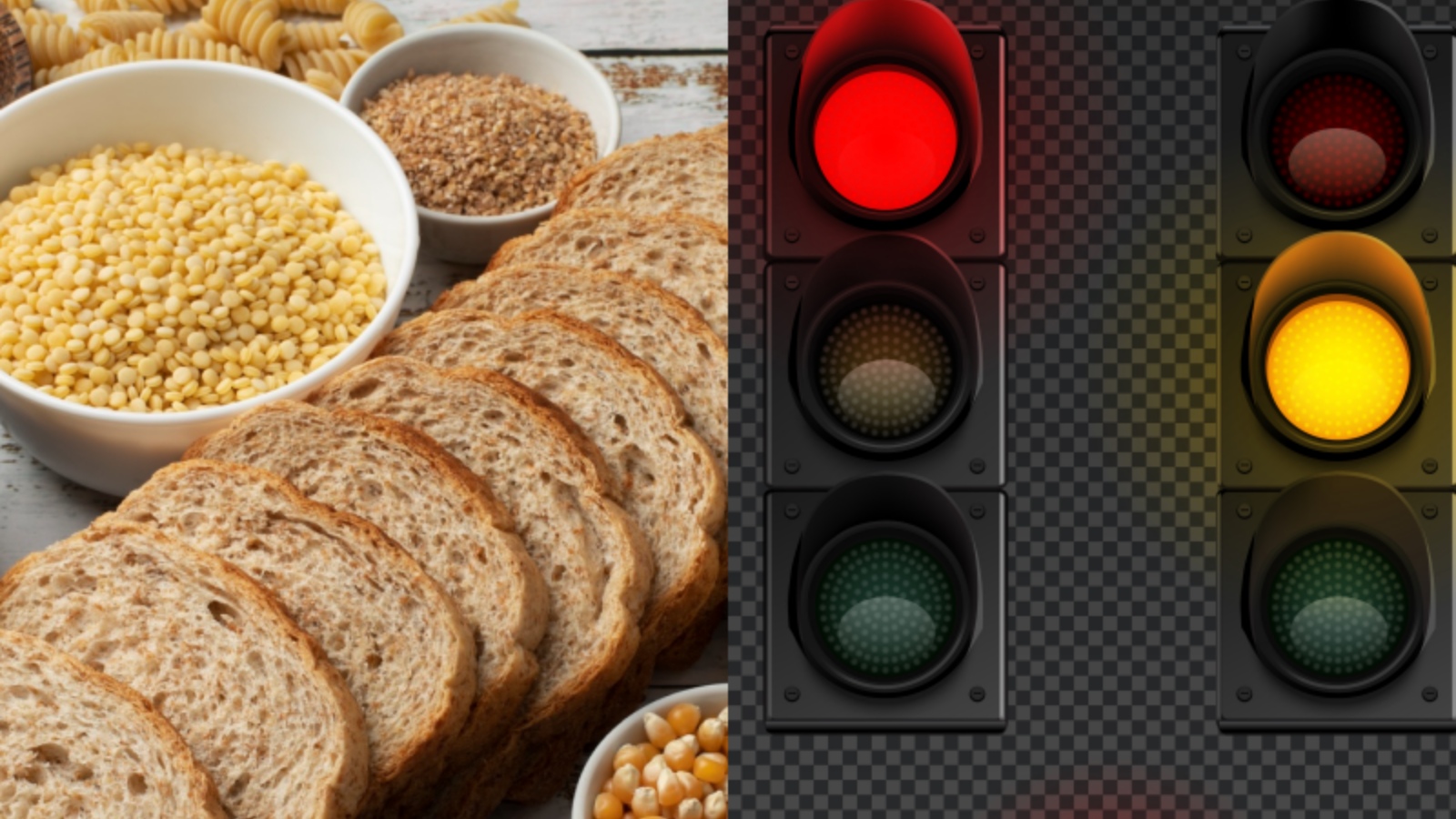
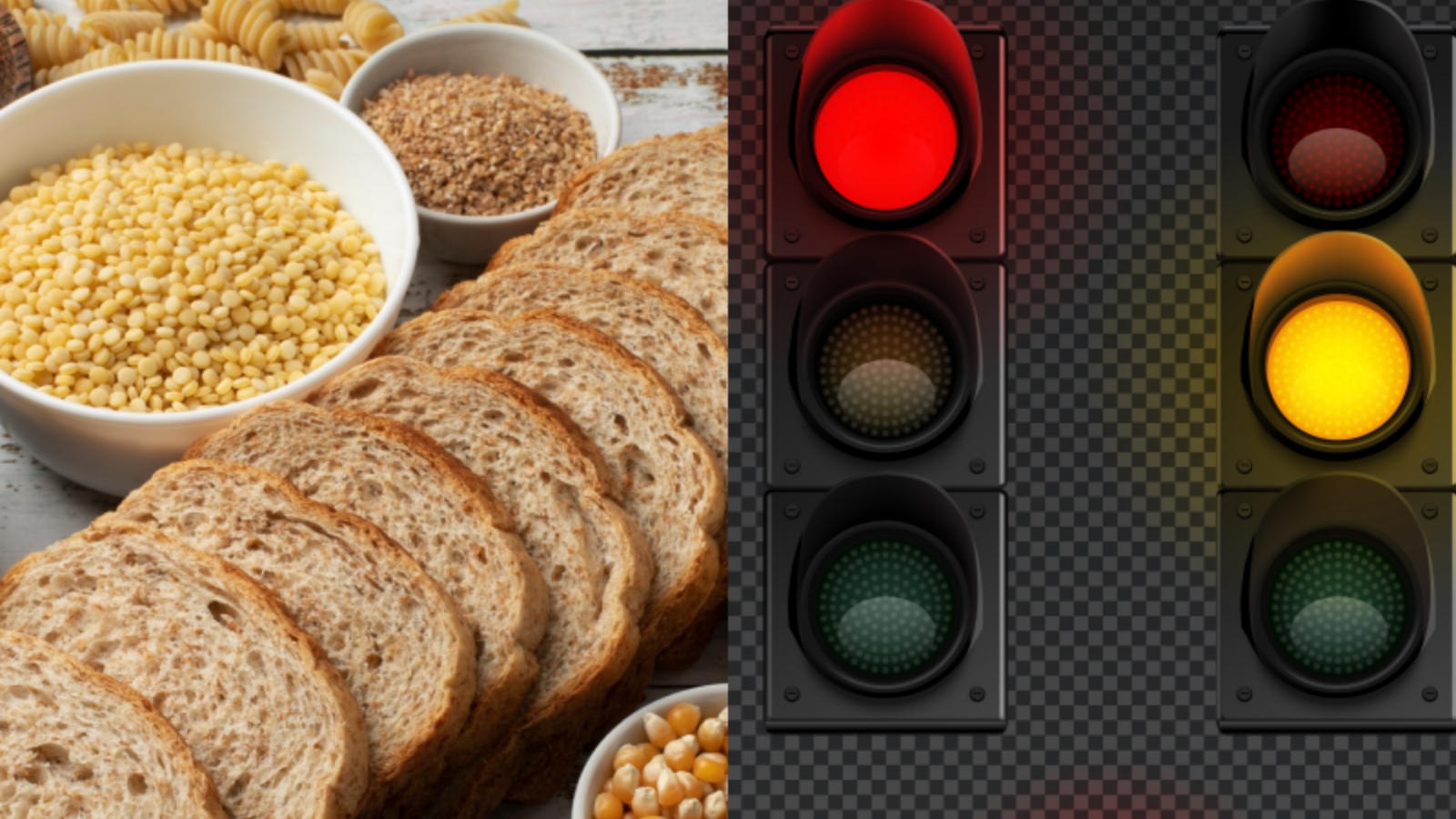
Nutritionist Pooja Jaiswal recently explained the traffic light system for managing carbohydrates in an Instagram video. Comparing food choices to traffic signals, she categorised vegetables, fruits and legumes as green, grains such as rice, wheat and millets as amber, and ultra-processed carbohydrate-rich foods such as biscuits and chips as red.
The idea is to help people make informed food choices without eliminating carbohydrates altogether. But how should you use this system, and does the colour assigned to a food determine its effect on blood sugar? Kanikka Malhotra, Consultant Dietician and Certified Diabetes Educator, explains how the system works, why portion sizes matter, and how food preparation and meal timing can influence blood sugar levels.
DISCLAIMER: This article is based on information from the public domain and/or the experts we spoke to. Always consult your health practitioner before starting any routine.
What is the carbohydrate traffic light system?
“Think of it as a road signal for your plate. It sorts carbohydrates by how fast they raise blood sugar, not by how many grams they contain,” Malhotra explains.
She clarifies that this is a dietary teaching tool, not an official nutritional standard, and that classifications can vary depending on a person’s health condition.
The three categories are:
* Green: Non-starchy vegetables, whole fruits and legumes such as rajma, chana and moong. These provide fibre and other nutrients.
* Amber: Grains and starchy foods, including rice, wheat, millets, whole-wheat rotis, brown rice, potatoes and bananas. These can be included in measured portions.
* Red: Foods such as biscuits, sweets, sugary drinks, white bread, and other refined or ultra-processed carbohydrate-rich products, which should generally be limited.
Malhotra suggests using the categories to build a balanced plate, with approximately half devoted to vegetables, a quarter to grains or other starchy foods, and the remaining quarter to protein-rich foods. Highly processed and sugary foods can be occasional, planned choices rather than everyday staples.
Story continues below this ad
“The clever part is that one food can change colour with its form,” she says. “A whole orange is green; its juice is red. A boiled potato is amber, chips lean red.”
Why are vegetables, fruits and legumes in the green category?
Malhotra explains that fibre and intact plant cell walls can slow the release of glucose compared with foods made from more refined ingredients.
Legumes such as rajma, chana and moong are particularly useful because they provide fibre and plant protein alongside carbohydrates. Their resistant starch can also support gut bacteria.
However, green does not mean unlimited. A bowl of dal still contributes carbohydrates to a meal, and portion sizes matter, particularly for people managing diabetes. Very ripe mangoes, chikoo and dried fruits can also deliver concentrated amounts of sugar or carbohydrates.
Whole fruit is generally preferable to juice because it retains its fibre and is more filling. Malhotra notes that studies have linked whole-fruit consumption with a lower risk of type 2 diabetes, while fruit juice has not shown the same benefit.
Story continues below this ad
Are millets better than rice and wheat for blood sugar control?
Millets such as ragi, jowar and bajra are often promoted as healthier alternatives to rice and wheat, particularly for people concerned about blood sugar. They can offer more fibre, minerals and certain plant compounds than some refined grains, but they are still carbohydrate-rich foods.
“Better than polished rice and maida, yes, but the gap is smaller than the marketing suggests,” Malhotra says.
She explains that research has reported improvements in measures such as fasting blood glucose and HbA1c with millet consumption, although some studies are small and compare millets with refined rice. The difference may be less pronounced when millets are compared with whole-wheat flour.
How much should you eat?
Malhotra suggests starting with a quarter of the plate devoted to grains or other starchy foods. As a practical starting point, this could mean one katori of cooked grain or around two rotis, depending on their size and the rest of the meal.
Story continues below this ad
Individual needs vary, so portion sizes should be adjusted according to activity levels, overall diet and health goals. People monitoring their blood sugar can discuss their readings with a healthcare professional to determine whether their portions are appropriate.
The key is not necessarily to replace every grain with millets, but to prioritise less-refined options, watch portions and eat a varied diet.
Does the timing of carbohydrates affect blood sugar?
Malhotra identifies three factors that can help people manage their post-meal blood sugar levels.
Eat larger meals earlier when practical: The body’s insulin sensitivity follows a daily rhythm, and some controlled studies suggest that glucose responses can be higher in the evening than in the morning. Malhotra recommends avoiding disproportionately heavy dinners where possible and finishing dinner two to three hours before bedtime.
Story continues below this ad
Pay attention to food order: Eating vegetables and protein before carbohydrate-rich foods may help moderate the rise in blood sugar after a meal. For instance, starting with vegetables and dal before eating roti or rice may be useful for some people.
Walk after meals: A short walk can help working muscles take up glucose from the bloodstream. “Ten to 15 minutes after eating helps muscles absorb glucose,” Malhotra explains.
DISCLAIMER: This article is based on information from the public domain and/or the experts we spoke to. Always consult your health practitioner before starting any routine.

Leave a Reply