
3 min readNew DelhiJun 26, 2026 07:00 PM IST
Dr Dan Ginader, digital creator and doctor of physical therapy, in an Instagram video, drew attention to a neurologist’s claim that promises drastically low cortisol levels. The expert from Mount Sinai Hospital in New York told her patient to stick out his tongue for 40 seconds. He thought she was joking. But two weeks later, the patient’s cortisol dropped from clinical anxiety levels to the normal range, without any change in medication.
Watch the video here:
DISCLAIMER: This article is based on information from the public domain and/or the experts we spoke to. Always consult your health practitioner before starting any routine.
Curious, we reached out to a health expert to learn whether there’s any truth to this claim at all.
Dr Lokesh B, Senior Consultant – Neurology, Aster CMI Hospital, Bangalore disagrees, saying there is currently no strong scientific evidence that sticking the tongue out for 40 seconds directly lowers cortisol levels.
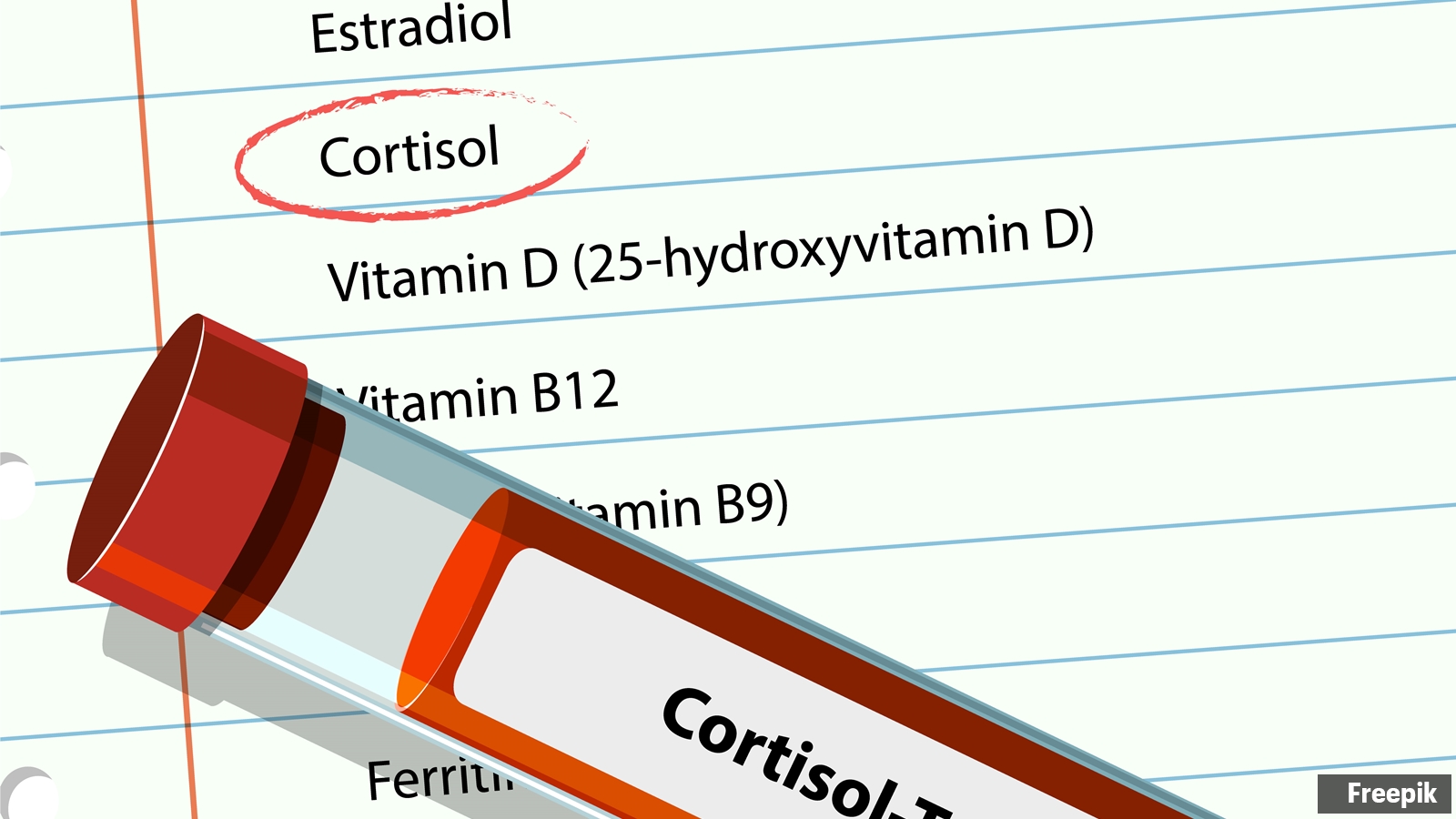
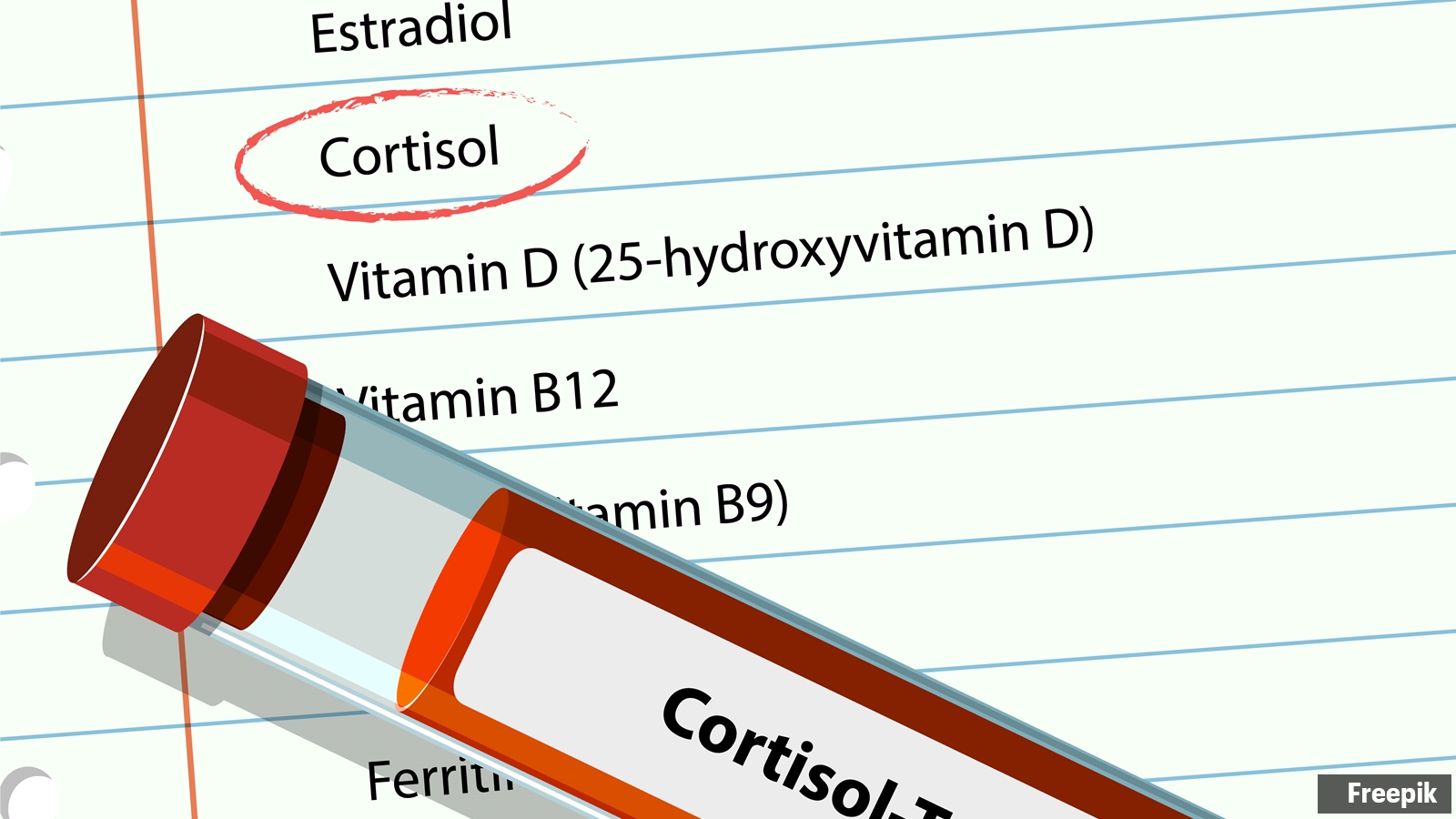
“Cortisol is a stress hormone produced by the adrenal glands, and its levels are influenced by factors such as sleep, stress, physical activity, and overall health,” he explains.
While some believe that sticking the tongue out may help relax the facial and jaw muscles, encourage mindful breathing, and interrupt stressful thought patterns, Dr Lokesh clarifies that these effects may create a temporary feeling of relaxation, which could indirectly help reduce stress. This technique is generally harmless, but it “should not be considered a proven method for lowering cortisol”, he adds.
In fact, he mentions that some neurologists may use tongue protrusion as part of a neurological examination to assess nerve and muscle function, rather than as a treatment for stress.
What can you do to keep your cortisol in check?
Dr Lokesh believes there are several natural ways to help keep cortisol levels in a healthy range.
Story continues below this ad
- Getting enough sleep is most important because lack of sleep can increase stress hormone levels.
- Regular exercise such as walking, cycling, yoga, or swimming can help the body manage stress more effectively.
- Deep breathing exercises, meditation, and mindfulness practices can activate the body’s relaxation response and promote calmness.
- Eating a balanced diet that includes fruits, vegetables, whole grains, nuts, seeds, and lean proteins can support overall health and stress management.
According to Dr Lokesh, staying hydrated, limiting excessive caffeine, and reducing alcohol intake may also help. The expert reiterates that the goal is not to eliminate cortisol, as it is an essential hormone, but to maintain healthy levels through good lifestyle habits and stress management. “Spending time with family and friends, enjoying hobbies, listening to music, and spending time outdoors can further reduce stress,” he concludes.
Cortisol has been trending on Google for the past 24 hours.
DISCLAIMER: This article is based on information from the public domain and/or the experts we spoke to. Always consult your health practitioner before starting any routine.

Leave a Reply