

4 min readNew DelhiOct 7, 2026 06:00 AM IST
Actor and director Parmeet Sethi, 59, was recently seen taking an indoor post-dinner walk and then doing some calf raises. “They are good for your sugar levels,” he told son Aaryamann Sethi on his YouTube vlog, even as his wife and actor Archana Puran Singh asked, “That’s soleus muscle, na?”
DISCLAIMER: This article is based on information from the public domain and/or the experts we spoke to. Always consult your health practitioner before starting any routine.
Taking a leaf out of Parmeet’s routine, we asked an expert on the benefits of doing standing calf raises post-dinner.
Dr Sarang Deshpande, consultant, orthopedics and joint replacement, KIMS Hospitals, Thane, concurred that standing calf raises are a simple but effective exercise for strengthening the calf muscles, especially the gastrocnemius and soleus. “These muscles are important for activities like walking, climbing stairs, and keeping your balance. Working on them regularly can improve stability and endurance in your lower legs. It’s one of those basic exercises that seems easy but provides steady results when performed correctly,” said Dr Deshpande, adding that it also helps lower blood sugar levels, which is why they are called the ‘second brain’.
Dr Deshpande noted that for a significant impact on blood sugar control, calf raises should be paired with other types of exercise, such as walking, resistance training, or aerobic workouts. “For people with diabetes or prediabetes, staying active consistently, along with a good diet and medical advice, is much more important. Calf raises are a helpful addition, particularly for those with limited mobility who want simple ways to stay active,” said Dr Deshpande.
Do they offer any functional or long-term benefits?
Yes, they do more than just tone muscles. “Strong calves support the ankle joint and lower the risk of injuries such as strains or sprains. They also help with better posture and walking. For active people, whether running, playing sports, or standing for long periods, having strong calves is essential. Over time, this can lead to improved mobility and less fatigue in the lower legs,” mentioned Dr Deshpande.
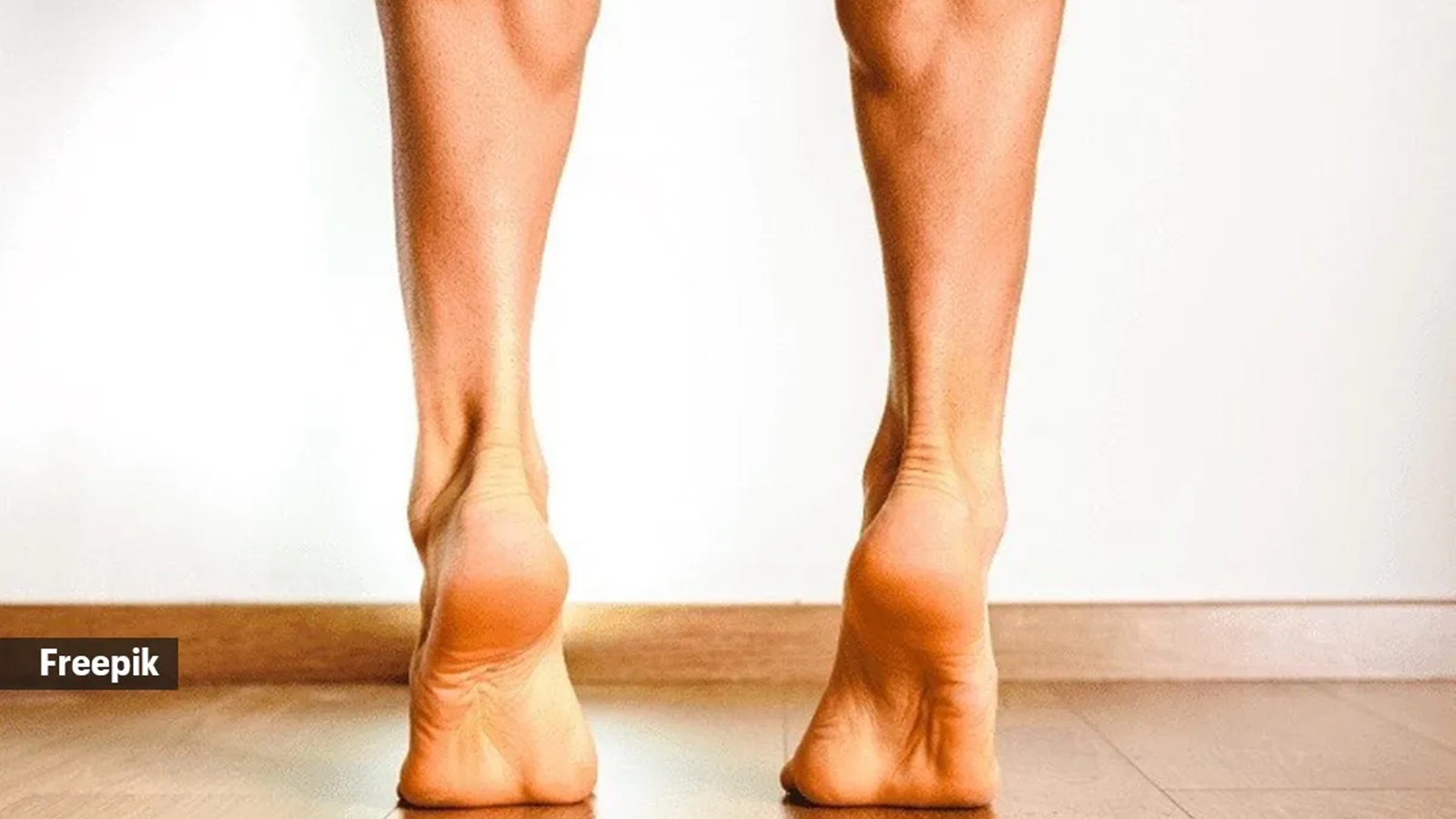 Should you also be doing calf raises? (Photo: Freepik)
Is this exercise safe for everyone?
Story continues below this ad
For most people, yes, but using the right technique is important. “The movement should be slow and controlled, rising onto the toes and lowering the heels smoothly. However, individuals with existing ankle, Achilles tendon, or knee problems should be careful. If you feel pain while doing the exercise, it’s best to stop and get it checked out instead of pushing through discomfort,” mentioned Dr Deshpande.
Common mistakes to avoid
A very common mistake is rushing through the repetitions. “Quick, bouncy movements reduce effectiveness and increase the chance of strain. Another mistake is not using the full range of motion; many people don’t lower their heels all the way, limiting muscle engagement. Also, gripping support too tightly can lessen the load on the calves. Keeping proper posture and activating the muscles throughout the movement makes a significant difference,” elaborated Dr Deshpande.
How can someone make calf raises more effective?
Once you feel comfortable with the basic repetitions, you can progress. This might include trying single-leg calf raises, adding weights, or gradually increasing the number of repetitions. Consistency is key. Doing them a few times a week is enough to see benefits. Combining them with stretching exercises for the calves can also help maintain flexibility and prevent stiffness, added Dr Deshpande.

Leave a Reply