
4 min readNew DelhiJun 4, 2026 10:00 PM IST
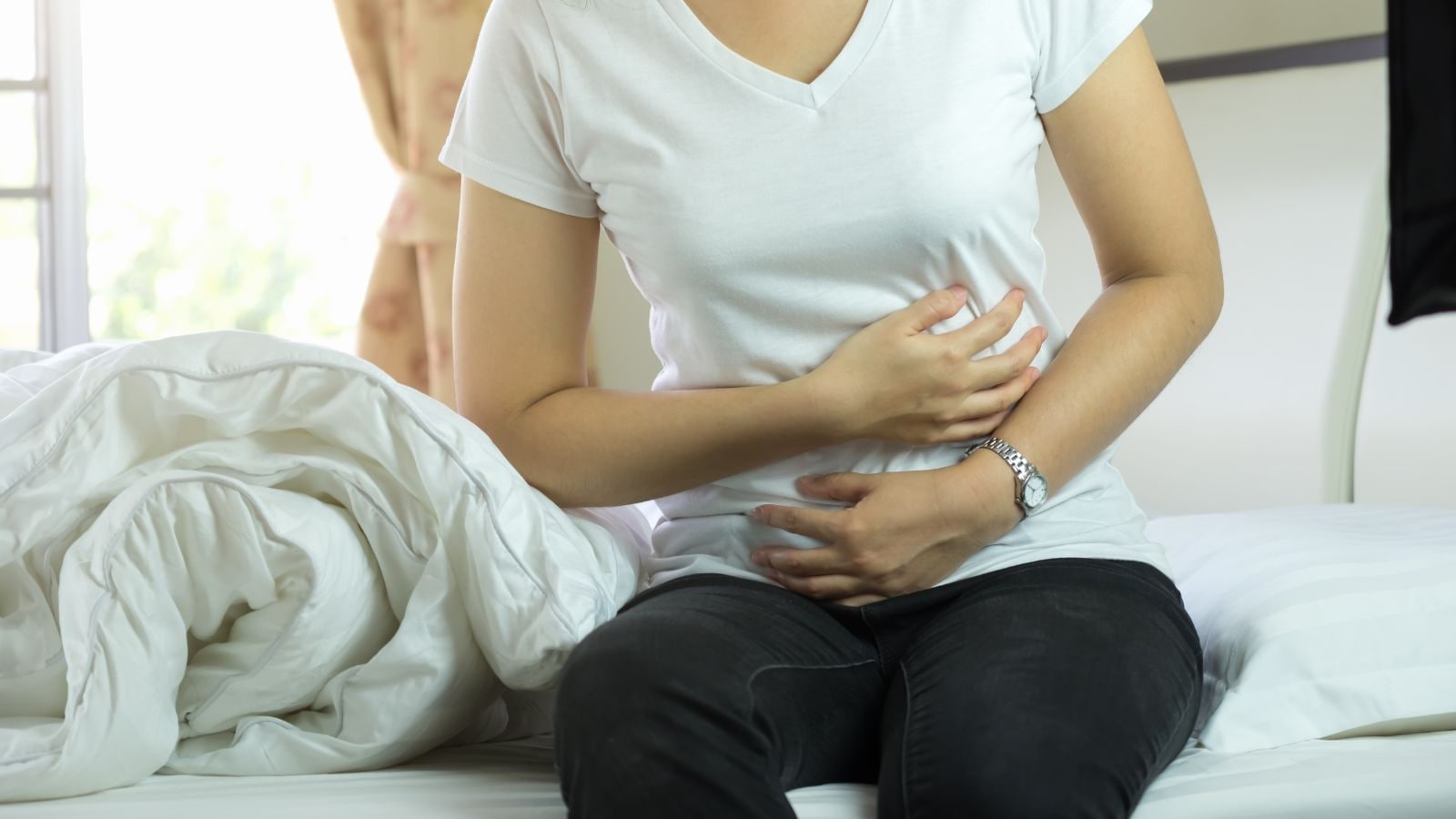
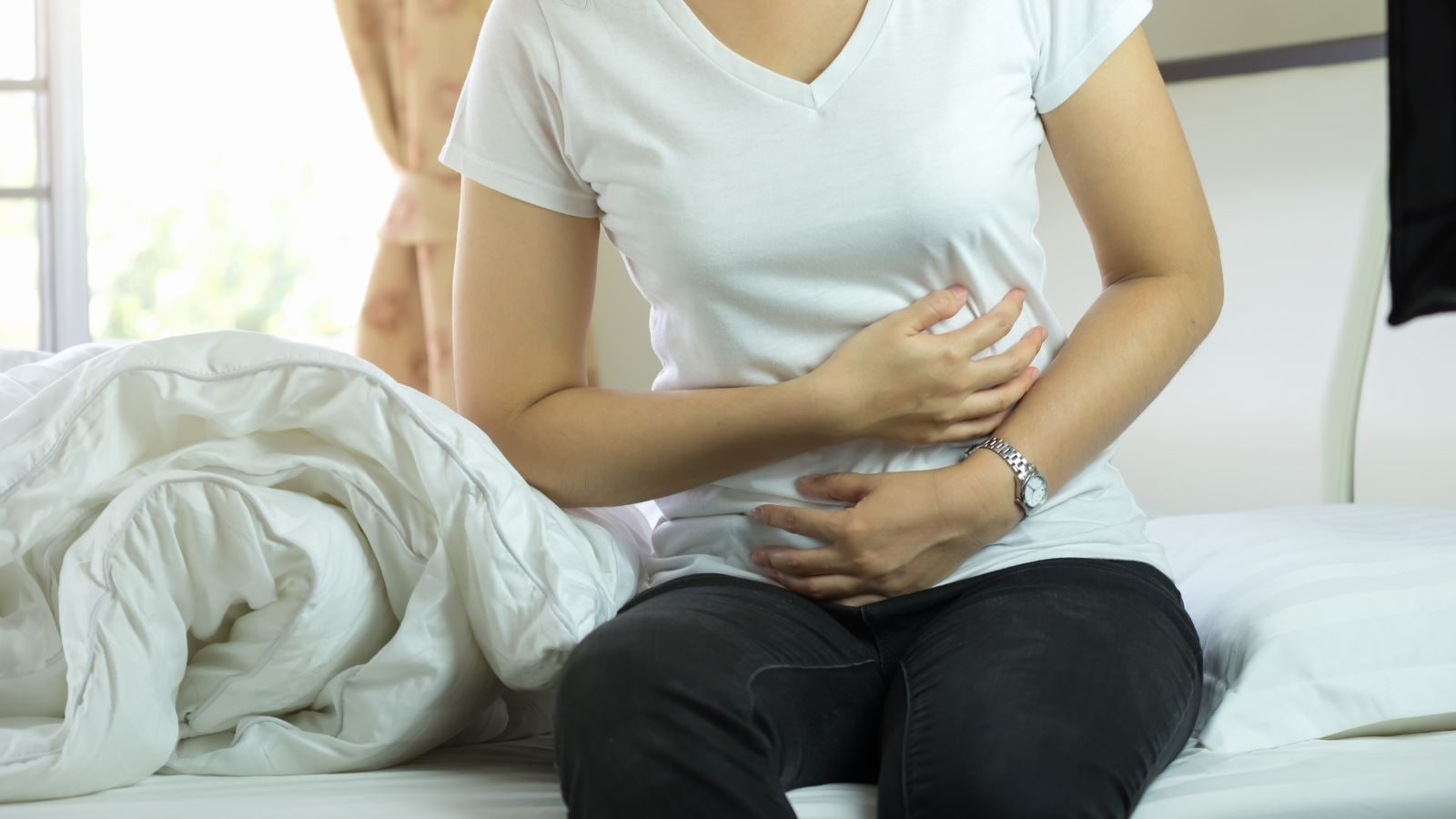
Many people casually attribute recurring digestive complaints to gas and often rely on over-the-counter remedies for temporary relief. However, doctors warn that persistent symptoms such as burning, burping, bloating, nausea, or upper abdominal discomfort may sometimes point to an underlying medical condition rather than routine indigestion.
In a recent Instagram video, Orthopaedic Surgeon and Sports Doctor Dr Manan Vora highlighted what he described as a common misconception. He said, “One dangerous habit of India, which we call every stomach issue, is gas. Burning inside, gas. Burping, gas. Nausea after food, gas. But if your gas keeps coming back again and again, it may not be a normal gas issue. It might be H. pylori.” He explained that “H. pylori is a bacterium that lives in the lining of your stomach. It usually spreads through contaminated food, water, saliva or poor hygiene. And once it enters, it can survive the stomach acid. That’s why this is not the same as regular bloating or indigestion (sic).”
DISCLAIMER: This article is based on information from the public domain and/or the experts we spoke to. Always consult your health practitioner before starting any routine.
According to Dr Vora, the infection can contribute to a range of symptoms, including “chronic gastritis, recurrent acidity, ulcers, bloating, burping, nausea and upper abdominal pain.” He further cautioned against relying solely on self-medication, stating, “And this is where people go wrong. They keep taking Eno, Digene, Pudinhara or random acid tablets. These may reduce the burning for a few hours. But they do not kill H. pylori.” He noted that doctors may recommend tests such as a breath test, a stool test, or an endoscopy to confirm the diagnosis, and that treatment often involves “a proper antibiotic course with acid-reducing medicine for about 14 days.”
To understand more about this, we spoke with an expert.
Difference between occasional indigestion or bloating and symptoms that may suggest an H. pylori infection
Dr Adithya V. Naragund, senior consultant in GI & HPB Surgery at Cytecare Hospitals, Bengaluru, tells indianexpress.com, “Occasional bloating or indigestion is common and is often linked to dietary choices, overeating, stress, or irregular meal timings. These symptoms typically resolve on their own or improve with simple lifestyle modifications. However, when symptoms become recurrent, persistent, or progressively worsen despite dietary adjustments, it may indicate an underlying gastrointestinal condition such as H. pylori infection.”
He adds that a pattern of frequent upper abdominal discomfort, burning sensation, excessive burping, nausea, early fullness after meals, or symptoms that repeatedly return after temporary relief should not be dismissed as simple gas. The persistence and recurrence of symptoms are often more important indicators than the severity of symptoms themselves.
Lifestyle or hygiene measures can help reduce the risk of reinfection or recurring stomach problems
According to Dr Naragund, follow-up testing is extremely important because symptom improvement alone does not always confirm that the infection has been completely eradicated. A significant number of patients may feel better temporarily while the bacteria continue to persist. Confirmatory testing, usually through a urea breath test or stool antigen test, helps ensure that treatment has been successful and reduces the risk of future complications.
Story continues below this ad
“To minimise the risk of reinfection and maintain digestive health, individuals should prioritise good hand hygiene, consume safe food and drinking water, and avoid sharing utensils in settings where hygiene may be compromised. Long-term stomach health also depends on limiting smoking, reducing excessive alcohol intake, avoiding unnecessary use of painkillers such as NSAIDs, managing stress, and following a balanced diet rich in fibre and whole foods. Consistent healthy habits often play a significant role in preventing recurrent gastrointestinal symptoms,” concludes Dr Naragund.
DISCLAIMER: This article is based on information from the public domain and/or the experts we spoke to. Always consult your health practitioner before starting any routine.

Leave a Reply