
4 min readNew DelhiSep 18, 2026 05:01 PM IST
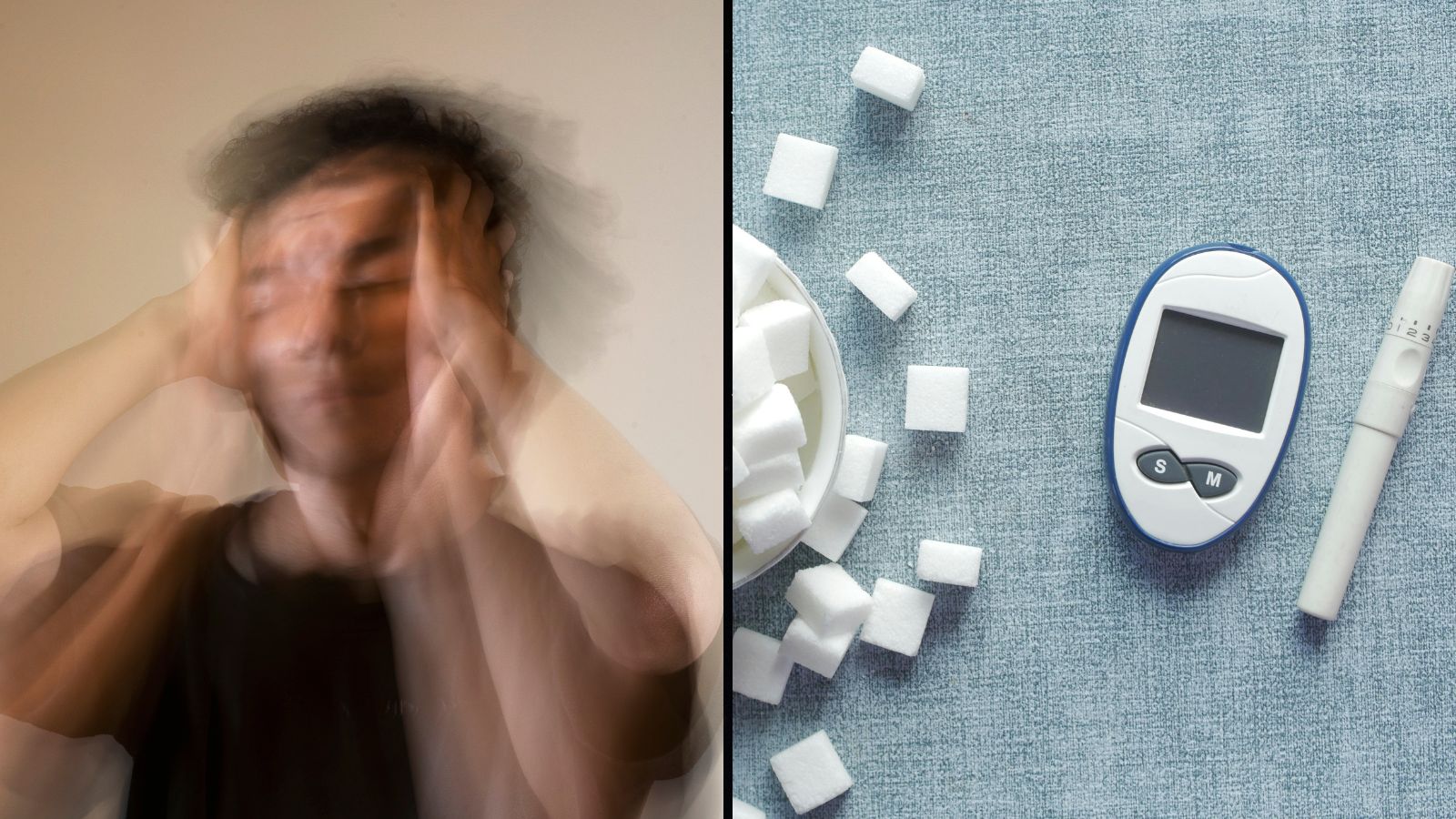
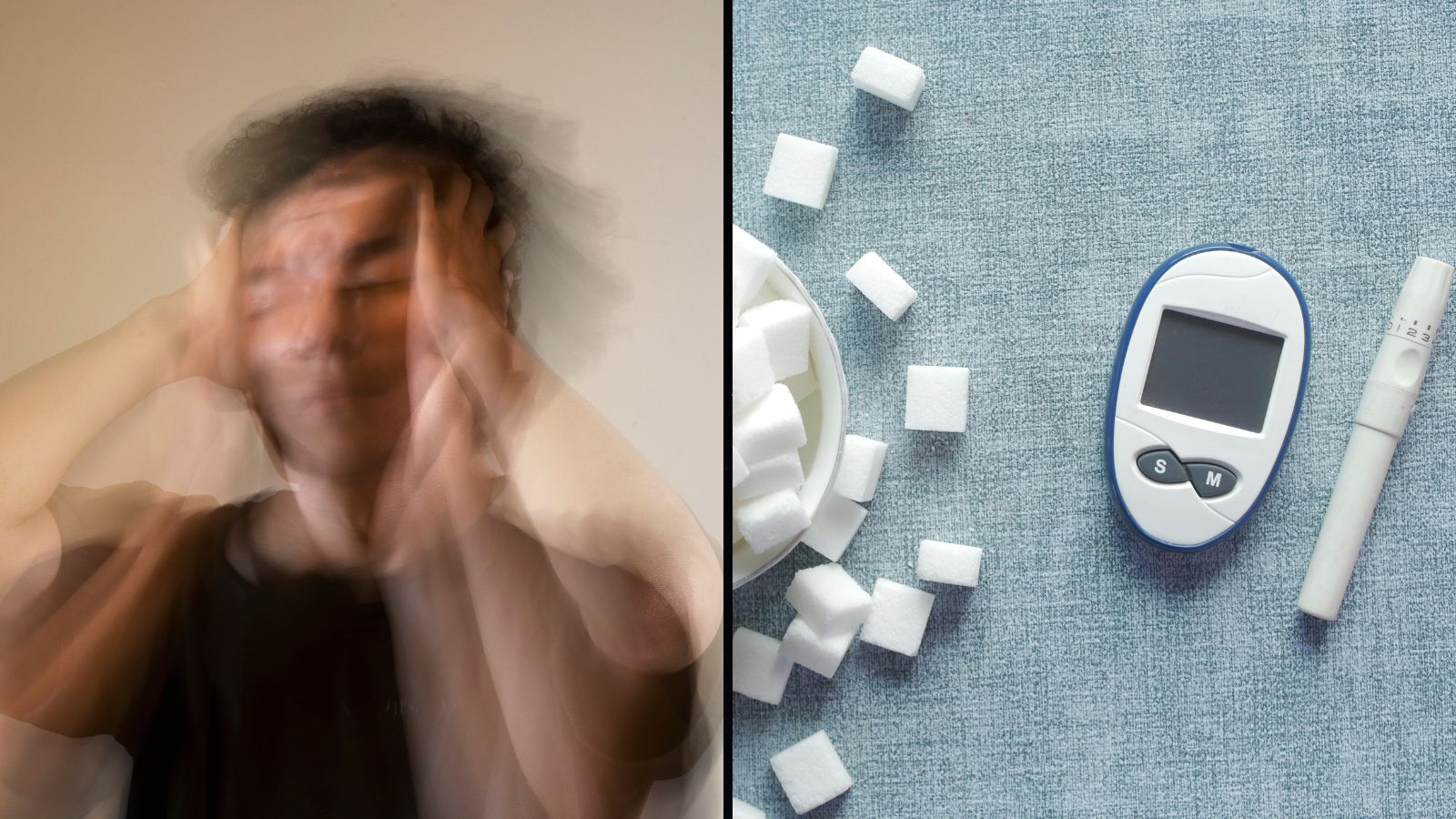
Many people associate a rise in blood sugar with eating carbohydrate-rich foods or sugary drinks. However, glucose levels can also increase even when a person has not eaten anything. Emotional stress, anxiety, fear, pain, intense exercise or any situation that triggers the body’s ‘fight-or-flight’ response can temporarily push blood sugar higher. For people who monitor their glucose levels using a continuous glucose monitor (CGM) or glucometer, these unexpected spikes can be confusing and may lead them to believe that food is the only factor responsible.
DISCLAIMER: This article is based on information from the public domain and/or the experts we spoke to. Always consult your health practitioner before starting any routine.
One of the key drivers behind this phenomenon is adrenaline, also known as epinephrine. Released by the adrenal glands during stressful or physically demanding situations, adrenaline prepares the body to respond quickly by ensuring that muscles and vital organs have enough energy. In doing so, it can stimulate the liver to release stored glucose into the bloodstream while also influencing how effectively the body’s cells respond to insulin.
Although this response is normal and beneficial in the short term, repeated stress-related glucose spikes may have different implications for people with diabetes, prediabetes or other metabolic conditions. Understanding why this happens can help people interpret their glucose readings more accurately and adopt healthier strategies to manage stress alongside their diet and lifestyle.
How adrenaline raises blood sugar
Dr Palleti Siva Karthik Reddy, MBBS, MD General Medicine, FAIG, Consultant Physician at Elite Care Clinic, tells indianexpress.com, “Adrenaline is one of the body’s primary stress hormones and is released rapidly during situations that require an immediate physical or mental response. It signals the liver to break down stored glycogen into glucose and also stimulates the production of new glucose through gluconeogenesis.”
At the same time, he notes that adrenaline temporarily reduces insulin secretion and makes muscle and fat cells less responsive to insulin. This allows more glucose to remain in the bloodstream so that vital organs, particularly the brain and muscles, have immediate access to energy. This is a normal physiological response and does not require food intake.
Adrenaline-related vs food-related glucose spikes
The rise in blood sugar after eating is driven by the digestion and absorption of carbohydrates from food, whereas an adrenaline-induced spike occurs because the body releases glucose already stored in the liver.
Story continues below this ad
In healthy individuals, Dr Reddy says, these stress-related elevations are usually short-lived because insulin production increases once the stressful event has passed, helping blood glucose return to normal. “These temporary fluctuations are generally not harmful when they occur occasionally. However, in people with diabetes or prediabetes, impaired insulin production or action can make it more difficult to bring glucose levels back under control, so stress-related spikes may be more pronounced or last longer.”
Everyday triggers and ways to manage spikes
Quick Quiz
See if you can answer this:
Which situation can trigger an adrenaline-related blood sugar spike?
A. Only eating a high-sugar meal.
B. Public speaking, lack of sleep, acute pain, intense exercise or work-related stress.
C. Drinking plain water throughout the day.
D. Getting adequate sleep and following a consistent routine.
Reveal the answer
✅ Correct answer: B
Dr Reddy mentions that adrenaline-related glucose spikes can occur when the body activates its stress response. Triggers can include intense exercise, lack of sleep, acute pain, infections, public speaking, examinations, work pressure, arguments, heavy traffic and, for some people, excessive caffeine. Regular physical activity, adequate sleep, mindfulness, controlled breathing and a consistent routine can help manage the stress response. People with diabetes should also continue prescribed medication and monitor their glucose regularly.
Story continues below this ad
DISCLAIMER: This article is based on information from the public domain and/or the experts we spoke to. Always consult your health practitioner before starting any routine.

Leave a Reply