
4 min readNew DelhiSep 3, 2026 04:00 PM IST
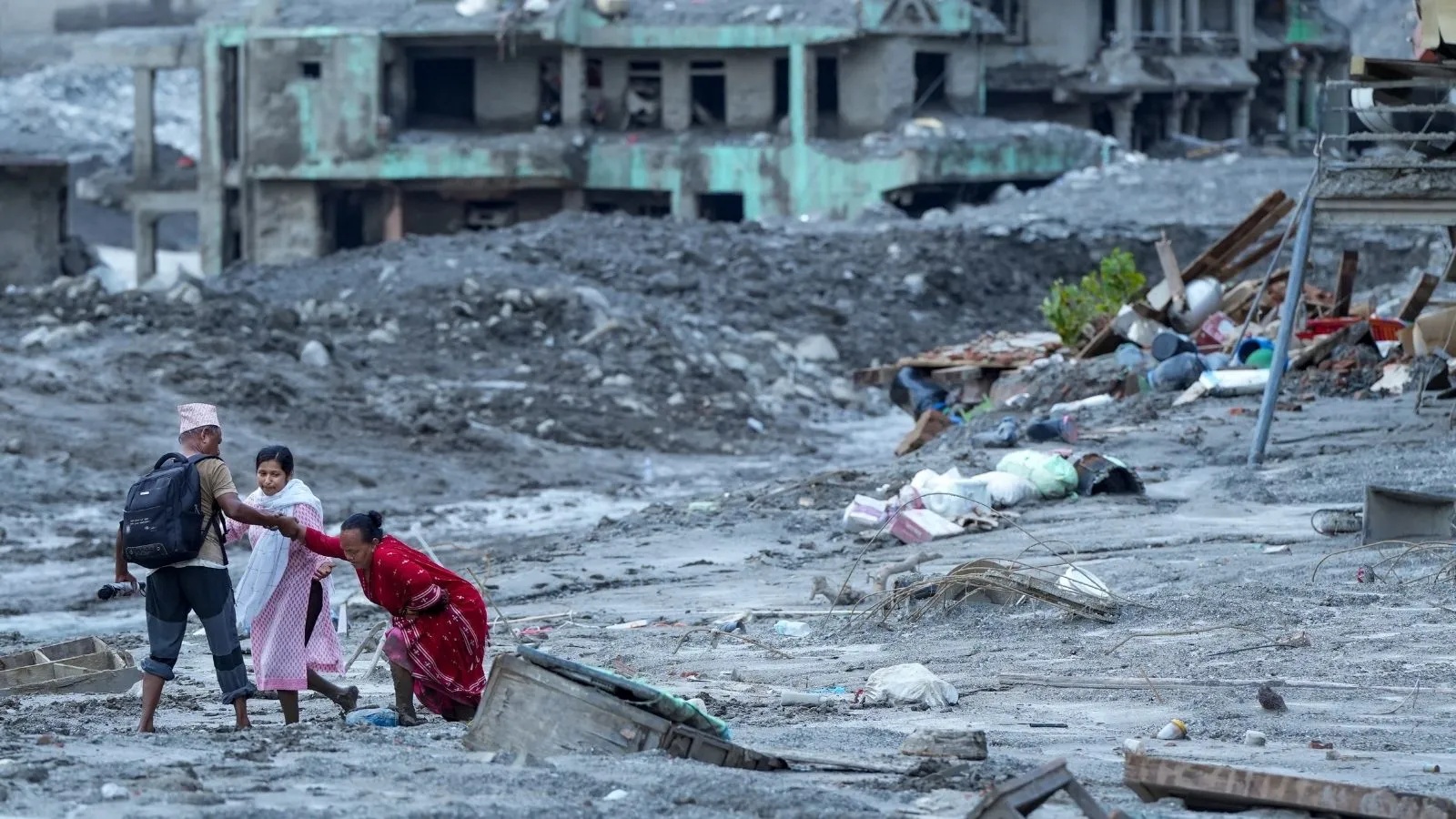
After the recent devastating Nepal-Tibet flash floods, what is the first major health concern people should be aware of? To help prevent further health complications, we asked doctors this question, and they stressed that floods remain a health threat even after the water recedes. “One of the immediate concerns is contamination of drinking water and food. Floodwater can mix with sewage, animal waste, chemicals and decaying material, creating a setting where infections can spread quickly. For people in affected areas, diarrhoea, vomiting, abdominal cramps, fever and dehydration are some of the symptoms that should not be ignored,” said Dr Manish Dodmani, consultant gastroenterologist, KIMS Hospitals Thane.
Food safety becomes particularly important when refrigeration, cooking facilities and clean water are disrupted. “Avoid food that has come into contact with floodwater, appears spoiled or has been stored improperly during a power outage. Raw and cooked food should be kept separate, and hands should be washed thoroughly before eating or preparing food,” said Dr Dodmani.
According to Dr Shankar Zanwar, senior consultant gastroenterologist, Gleneagles Hospital, Mumbai, following flash floods, gastrointestinal infections can become a major health concern because floodwater can contaminate drinking-water sources, food supplies, and sanitation systems. “People may develop acute gastroenteritis with diarrhoea, vomiting, abdominal cramps and fever, while infections such as typhoid, cholera, dysentery and hepatitis A and E can also spread through contaminated food and water,” said Dr Zanwar.
DISCLAIMER: This article is based on information from the public domain and/or the experts we spoke to. Always consult your health practitioner before starting any routine.
One of the most immediate complications is dehydration and loss of electrolytes, particularly in young children, older adults and people who are already medically vulnerable. “People should be especially careful about drinking untreated water, eating food that has been exposed to floodwater, or consuming food that has been stored without proper refrigeration. Even when water looks clean, it may still contain harmful microorganisms. People with repeated diarrhoea or vomiting should focus on safe hydration and seek medical attention if they develop blood in the stool, persistent fever, severe abdominal pain, reduced urine output, dizziness, weakness or confusion,” said Dr Zanwar.
 Clean drinking water is a major concern (Photo: Getty Images/Thinkstock)
Patients with existing gastrointestinal or liver conditions may also face difficulties if their regular medicines, diet and medical follow-up are disrupted. “It is equally important to avoid self-medication, particularly unnecessary antibiotics, as not every episode of diarrhoea requires antibiotic treatment. Maintaining safe water, proper hand hygiene, food safety, and timely medical care can significantly reduce the risk of serious gastrointestinal complications after flooding,” said Dr Zanwar.
Post-traumatic stress disorder triggers Irritable Bowel Syndrome (IBS) like illness and needs to be treated with appropriate medicines and counselling, said Dr Amol S Dahale, professor, department of medical gastroenterology, DPU Super Specialty Hospital, Pimpri, Pune.
Story continues below this ad
The simple rule after a flood is: safe water, safe food and early attention to symptoms can prevent a secondary health crisis, added Dr Dodmani.
Nepal flash floods has been trending on Google for the past 24 hours
DISCLAIMER: This article is based on information from the public domain and/or the experts we spoke to. Always consult your health practitioner before starting any routine.

Leave a Reply