
5 min readNew DelhiAug 5, 2026 09:29 AM IST
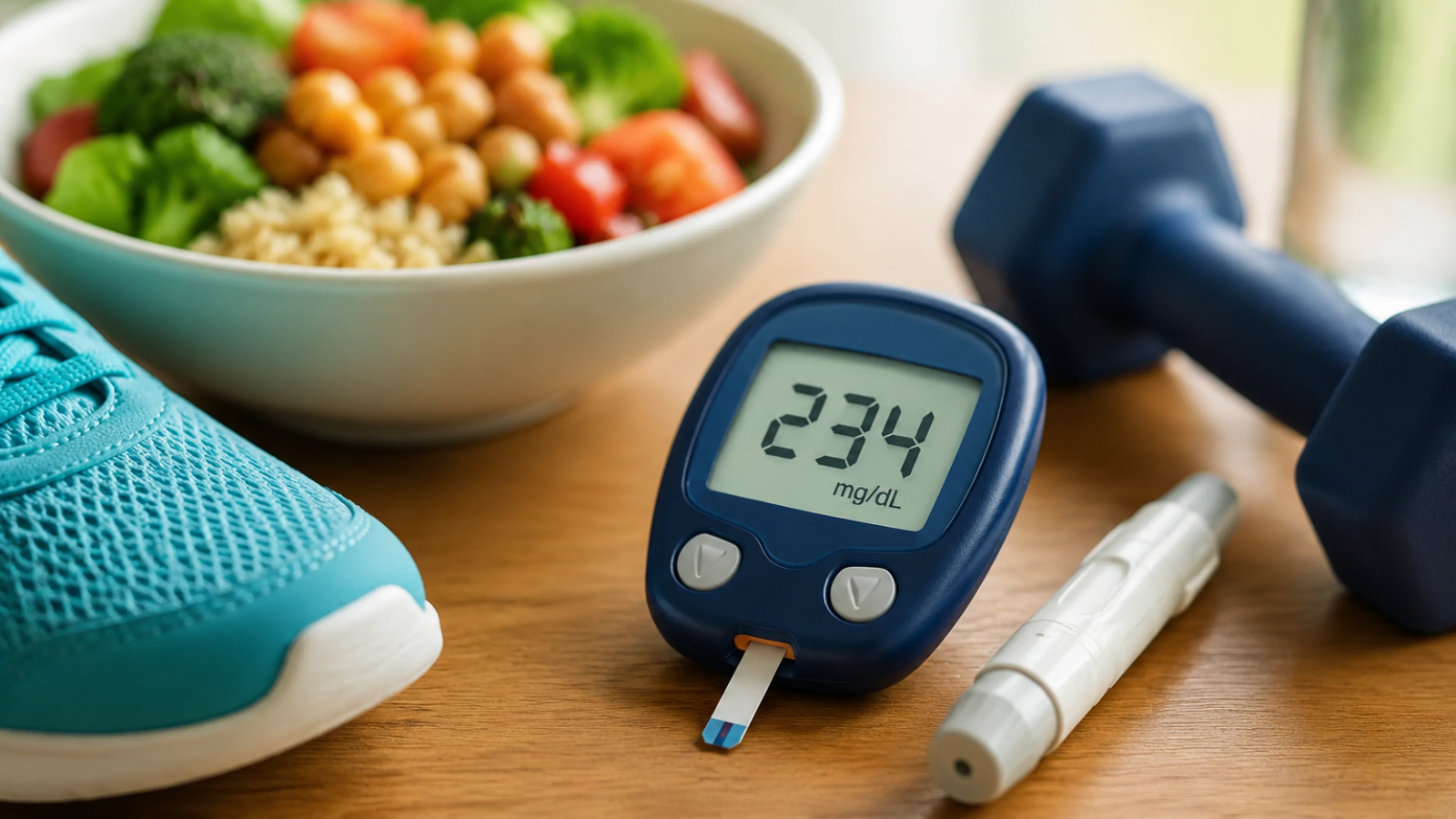
You’ve been doing everything “right,” yet your glucometer flashes 234 mg/dL two hours after eating. Should you be concerned? According to a diabetes expert, the answer is yes—but not for the reason you might think.
One such concerned user recently turned to Quora, writing: “My blood sugar is 234 after a 2-hour meal. I am not taking medicine. I do a 30-minute walk after every meal, and I am 40 years old. What should I do?”
We asked a diabetes specialist to explain what this reading could mean and the next steps to take.
DISCLAIMER: This article is based on information from the public domain and/or the experts we spoke to. Always consult your health practitioner before starting any routine.
Is a 2-hour blood sugar of 234 mg/dL concerning?
A single post-meal blood sugar reading of 234 mg/dL is indeed concerning, says Dr Rajiv Kovil, Diabetes & Obesity Specialist at Zandra Healthcare.
“In most people, a 2-hour blood sugar should ideally be below 140 mg/dL, and in people with diabetes, many guidelines aim for below 180 mg/dL,” he explains.
However, one reading alone cannot diagnose diabetes or show how well your blood sugar has been controlled over time. Factors such as what you ate, stress, illness or even testing errors can influence the result.
Story continues below this ad
“The next step is to undergo a proper evaluation, including an HbA1c test, which reflects average blood sugar over the previous 2–3 months, rather than relying on a single glucose reading.”
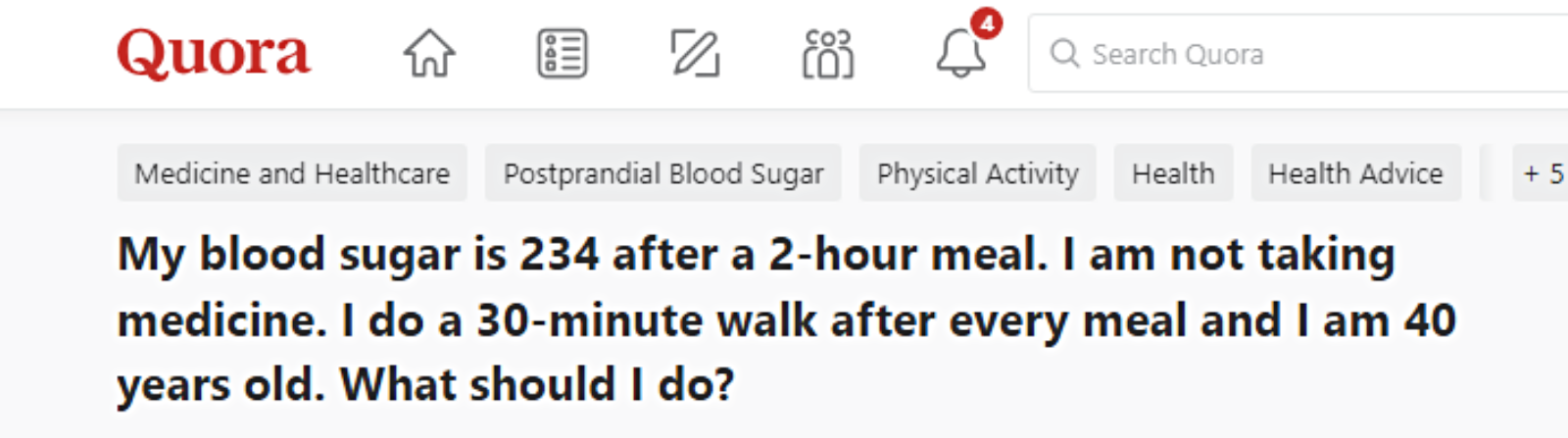 Screenshot of the Quora query
Is walking after meals enough?
Walking after meals is undoubtedly beneficial, but it may not be enough if your blood sugar remains high, like in this case.
“A blood sugar of 234 mg/dL despite regular walking suggests that exercise alone may not be enough…This person should seek medical evaluation rather than delaying treatment,” the diabetologist clarifies.
Depending on the results, lifestyle measures may still be sufficient in some individuals, while others may require medication.
Story continues below this ad
In selected patients, doctors may also recommend a Continuous Glucose Monitor (CGM) to track blood sugar patterns throughout the day, including hidden spikes and glycaemic variability that a single finger-prick test cannot detect. This can help doctors personalise treatment.
Which tests should you get done?
Rather than relying on one glucose reading, Dr Kovil says “A complete metabolic assessment is more useful than relying on a single glucose value.”
Apart from HbA1c, your doctor may advise:
- Fasting blood sugar
- Repeat post-meal blood sugar
- Kidney and liver function tests
- Lipid profile
- Urine examination
- Blood pressure assessment
Since diabetes can affect multiple organs, assessing your overall metabolic health is equally important.
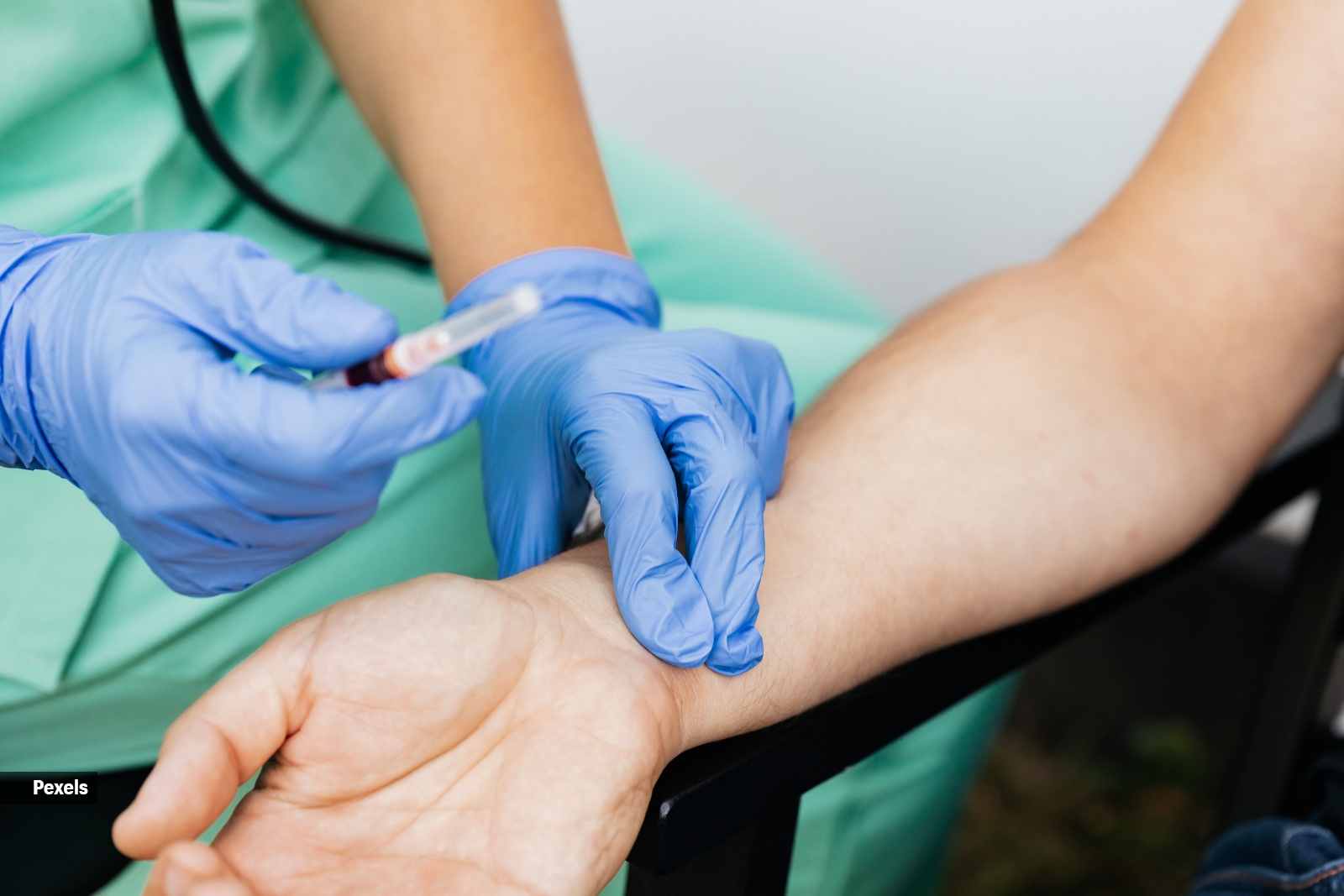 A complete metabolic assessment is more useful than relying on a single glucose value (Image: Pexels)
What lifestyle changes can help besides walking?
Walking is only one part of diabetes management.
Dr Kovil recommends:
Story continues below this ad
- Eating a high-protein, high-fibre diet
- Cutting down on refined carbohydrates and sugary drinks
- Following a carbohydrate-last strategy by eating vegetables and protein before rice or roti
- Maintaining a healthy weight
- Sleeping well
- Managing stress
- Doing strength training at least two to three times a week
He adds that some people also develop post-meal hyperlipidaemia, where blood fats rise after eating, increasing cardiovascular risk. Healthy eating helps improve both glucose and lipid metabolism.
However, if HbA1c remains high despite these measures, lifestyle changes alone may not be sufficient and medication may be necessary.
When should you seek emergency medical care?
Seek urgent medical attention if your blood sugar is persistently above 300–350 mg/dL, or if you develop symptoms such as:
- Excessive thirst
- Frequent urination
Vomiting - Abdominal pain
- Confusion
- Drowsiness
- Difficulty breathing
- Signs of dehydration
These may indicate serious conditions such as diabetic ketoacidosis (DKA) or hyperosmolar hyperglycaemic state (HHS), which require immediate treatment.
Story continues below this ad
People with fever, severe infection, chest pain or stroke-like symptoms should also seek emergency medical care regardless of their blood sugar reading.
What happens if high post-meal blood sugar is left untreated?
According to Dr Kovil, repeatedly recording post-meal blood sugar levels around 234 mg/dL can damage blood vessels even if fasting glucose appears normal. Over time, this increases the risk of:
- Heart attack
- Stroke
- Kidney disease
- Nerve damage
- Eye disease
- Poor wound healing
He explains that repeated glucose spikes are also linked to glycaemic variability, which may contribute to oxidative stress and vascular injury. In addition, repeated glucose spikes are often accompanied by post-meal hyperlipidaemia, further increasing cardiovascular risk.
“Early diagnosis, lifestyle modification, and treatment when needed can prevent many of these complications and improve long-term health,” Dr Kovil concludes.
Story continues below this ad
‘Blood sugar’ has been trending on Google India for the last 24 hours.

Leave a Reply