
4 min readDelhiMay 30, 2026 09:00 PM IST
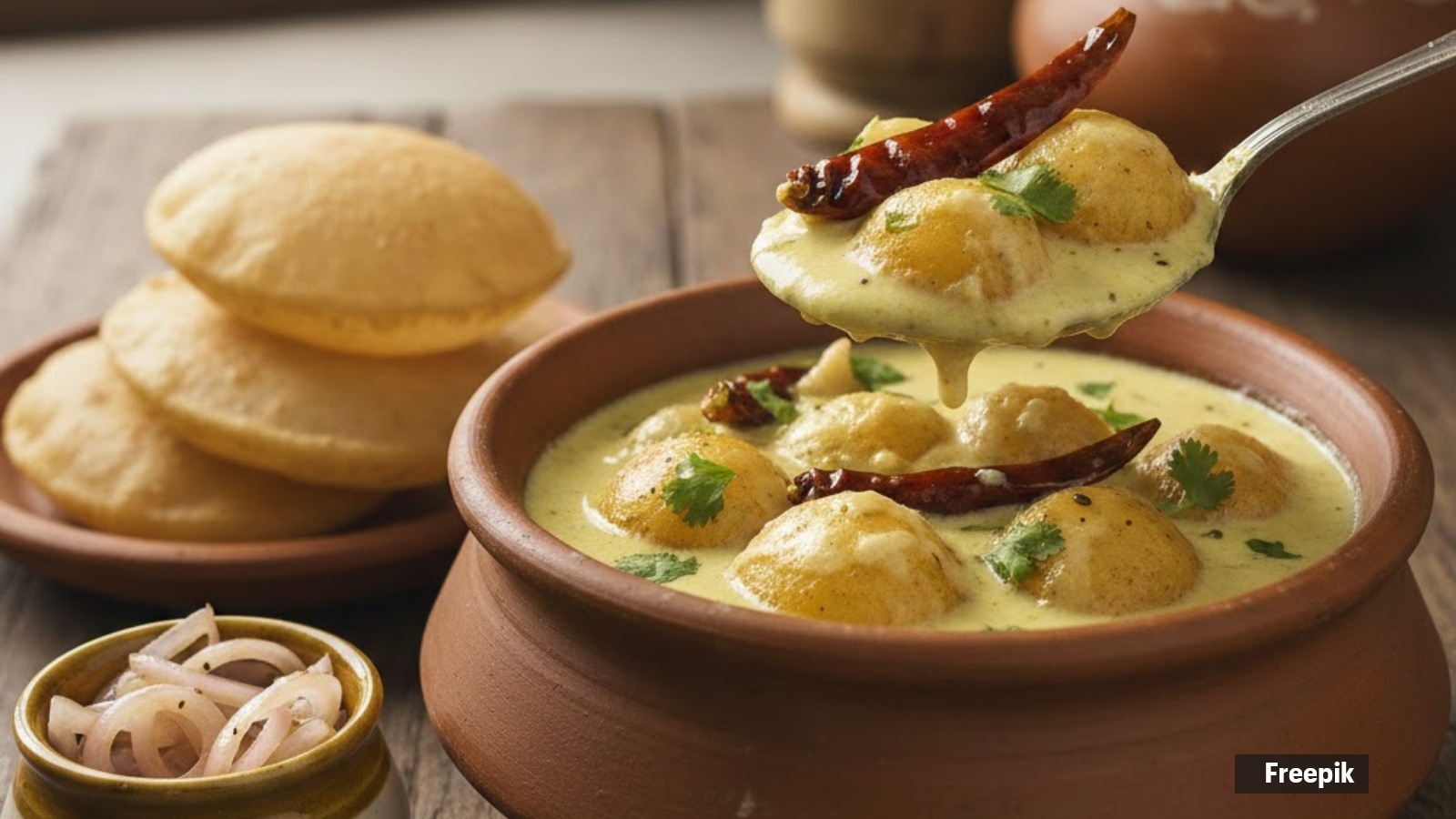
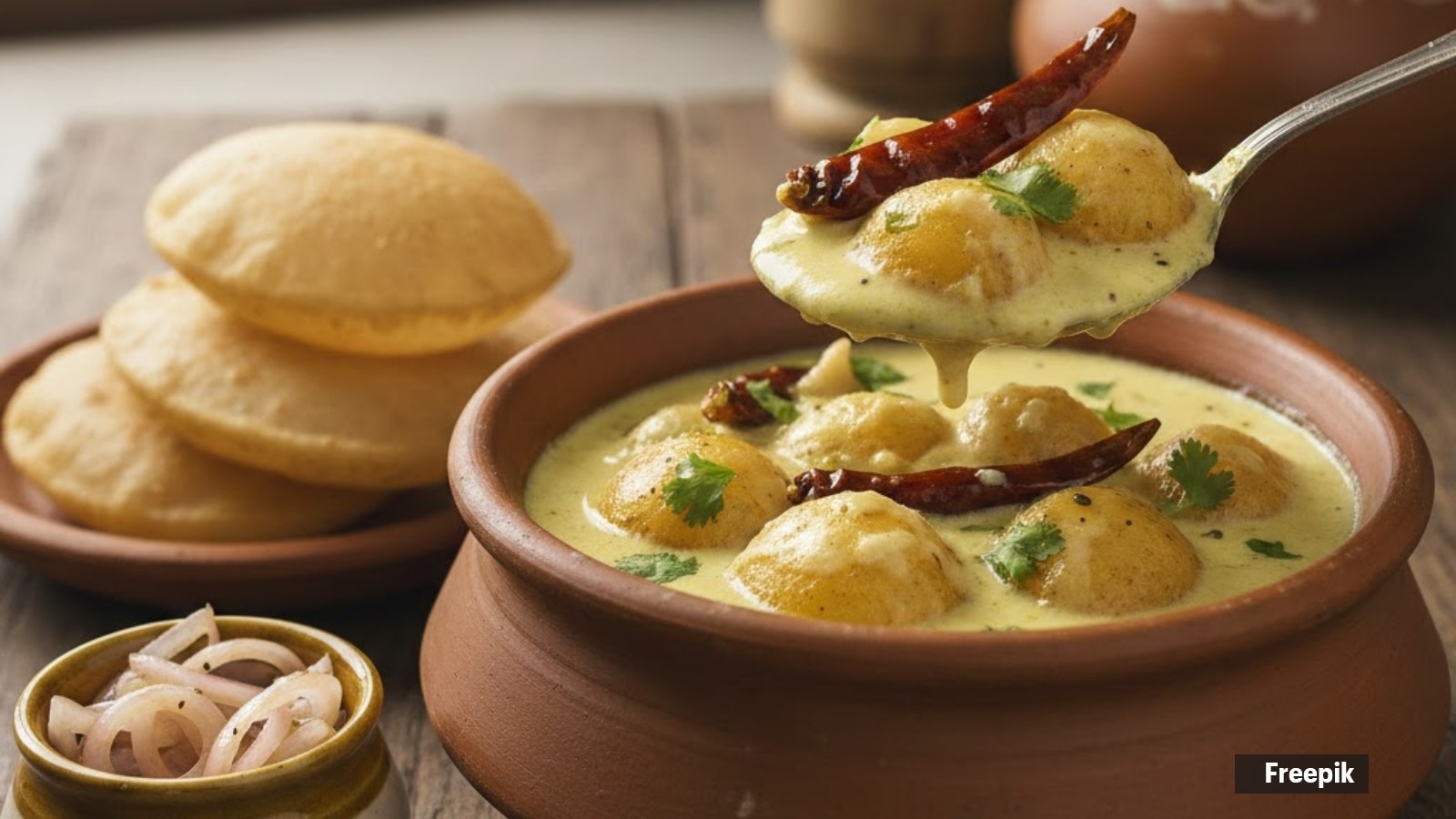
A nutritionist, who goes by the username we_nourish, shared an easy-to-make Matthe ke Aloo recipe, which is good for the gut. According to her, this tempting delicacy is very popular in Uttar Pradesh.
“Matthe ke Aloo (UP-style Mattha Aloo)” is a comforting, cooling, gut-friendly UP delicacy that tastes best with plain rice. Please try making it the way my mother makes it, you will love it!,” she shared on Instagram. “Since its nutrition week, I’ve cleared some myths around potatoes in the comments.”
To corroborate her claims, indianexpress.com spoke to Pratibha Singh, Professor, Nutrition & Dietetics at Manav Rachna International Institute of Research & Studies, who said that potatoes are one of the most “misunderstood” food.
She explained, “Potatoes are one of the most misunderstood foods. A boiled potato is actually low in fat and rich in complex carbohydrates, potassium, vitamin C, and resistant starch — which supports gut bacteria and helps maintain steady energy levels. It’s the deep-frying and excess salt that make potatoes “unhealthy,” not the potato itself. In dishes like Matthe ke aloo, where potatoes are boiled and paired with probiotic buttermilk and gentle spices, they become a light, nourishing comfort food rather than a guilty indulgence.” The use of ingredients like buttermilk and hing supports gut health, she adds.
Here’s how:
In Matthe ke Aloo, Dr Singh explained that each ingredient plays a distinct role in balancing digestion. Buttermilk contains live cultures that support gut microbiota and help alleviate acidity. Ghee provides short-chain fatty acids, such as butyrate, which nourish intestinal lining cells. “Methi (fenugreek) aids bile flow and glucose balance, hing (asafoetida) reduces bloating and supports enzyme activity, while turmeric’s curcumin compound has powerful anti-inflammatory and prebiotic effects. Together, they create a soothing synergy that enhances digestion and gut resilience — something modern nutrition is now rediscovering in traditional recipes.”
But, can recipes like this — rooted in traditional Indian cooking — fit into modern balanced diets?
Traditional Indian recipes are naturally adaptive, elaborated Dr Singh. “Matthe ke aloo fits beautifully into a plant-forward diet — it’s vegetarian, probiotic-rich, and uses whole ingredients without processed additives.”
She added that by controlling portion size and adding fiber-rich sides, such as salads or millet rotis, it aligns with low-GI and balanced-carb eating patterns. “In fact, dishes like these demonstrate how ancestral wisdom — combining plant foods, healthy fats, and fermented dairy — can guide the future of sustainable, gut-friendly nutrition.”
“In fact, you can give it a Gen Z twist too,” quipped the doctor.
Here’s how to prepare a more relatable version of the recipe for people across generations:
Ingredients
Story continues below this ad
1. Boiled potatoes
2. Buttermilk
3. Ghee (optional)
4. Methi, hing, turmeric
5. Fresh herbs (like cilantro, mint)
For Salad
1. Mixed greens (lettuce, spinach)
2. Chopped veggies (cucumber, carrots, bell peppers)
3. Nuts/seeds (walnuts, almonds, pumpkin seeds)
4. Citrus-herb dressing (lemon juice, olive oil, honey)
Instructions
1. Prepare Matthe Ke Aloo as usual.
2. Mix with chopped veggies, nuts/seeds, and mixed greens.
3. Drizzle citrus-herb dressing.
4. Garnish with fresh herbs and serve.
Tips
1. Customise with your favorite veggies/nuts.
2. Adjust dressing to taste.
3. Add protein like grilled chicken or tofu for extra nutrition.

Leave a Reply