
The Indian summer arrives with a bounty. Mango stalls overflow, watermelon vendors line every corner and litchi season brings its own sweetness. In many Indian homes, large mixed fruit platters become part of daily eating during the hotter months. For people living with diabetes, obesity, fatty liver disease, or even those trying to maintain weight, this seasonal abundance carries a familiar question: how much fruit is too much?
The concern is not that fruits are unhealthy. Summer fruits provide fibre, vitamin C, carotenoids, potassium and hydration. The issue is quantity, timing and combination. Fruits contain fructose, a natural sugar that behaves differently from glucose but can still add significantly to calorie intake when consumed excessively. In large amounts, fructose increases the metabolic load on the liver, contributes to fatty liver disease, raises triglycerides, and worsens insulin resistance. Whole fruits are far better than juices because their fibre slows absorption, but even healthy foods can become problematic when portions are excessive.
How to have mangoes
Mango is a calorie-dense fruit, with a medium Alphonso or Dasheri weighing 200 grams yielding about 28 grams of carbohydrate and 120 calories. Its glycaemic index (a measure of how quickly foods raise blood sugar levels compared to pure glucose) sits in the medium range, but the load adds up quickly when more than one fruit is eaten. For a person with diabetes, about half a medium mango, roughly four to five thin slices or around 100 grams of flesh, is usually reasonable in a day.
For individuals without diabetes, one small to medium mango can generally fit comfortably into a balanced diet. The better approach is to consume mango as a snack rather than immediately after lunch or dinner, and preferably pair it with some protein or healthy fat such as nuts, unsweetened curd, roasted chana or paneer. This slows glucose absorption and improves satiety. What should be avoided are mango shakes, aamras, juices, or eating several mangoes through the day simply because they are seasonal.
Watch out for watermelon
Watermelon often creates confusion because it is mostly water and relatively low in calories. While its glycaemic index is high, the actual glycaemic load (a measure of how much food will raise a person’s blood glucose level after eating a certain portion) per serving is modest. The real problem is that people rarely stop at one serving. Large bowls disappear quickly because the fruit feels light and refreshing.
One cup of cubed watermelon weighing about 150 grams carries around 45 calories. For a person living with diabetes, about 100 to 150 grams once daily usually works reasonably well, preferably as a mid-morning or evening snack. Others can generally have up to 200 grams at a time. Watermelon juice, however, is far less healthy because the fibre is removed and the sugar load becomes concentrated.
Litchi deserves more caution
Each fruit packs concentrated fructose, and ten litchis contain about 100 calories with 25 grams of sugar. A person without diabetes can usually consume seven to eight litchis safely in a sitting, while someone living with diabetes should ideally restrict intake to three or four. Again, pairing with nuts or paneer helps moderate the glucose rise.
Story continues below this ad
There is a separate point worth knowing. Unripe litchi contains hypoglycin A, which has been linked to encephalitis outbreaks among undernourished children in Bihar who ate the fruit on empty stomachs. Ripe fruit eaten after a meal is safe, but children should not graze on litchi instead of dinner.
Papaya and peaches
Ripe papaya, often the third fruit on a summer platter, carries about 40 calories per 100 grams and a moderate glycemic index. It is gentler than the others, and 150 to 200 grams a day is reasonable for most people, half that for someone with diabetes. But even papaya contributes carbohydrates, and the mistake is often not the fruit itself but adding it on top of several others in the same sitting.
Plums and peaches are increasingly finding their way into urban Indian fruit baskets during summer. Both are relatively moderate in calorie content and usually safer choices when consumed in sensible quantities. Someone living with diabetes can generally consume one medium peach or two small plums in a sitting, while others can take roughly double that quantity. These fruits contain fibre and tend to produce a slower glucose rise compared with fruit juices or concentrated desserts.
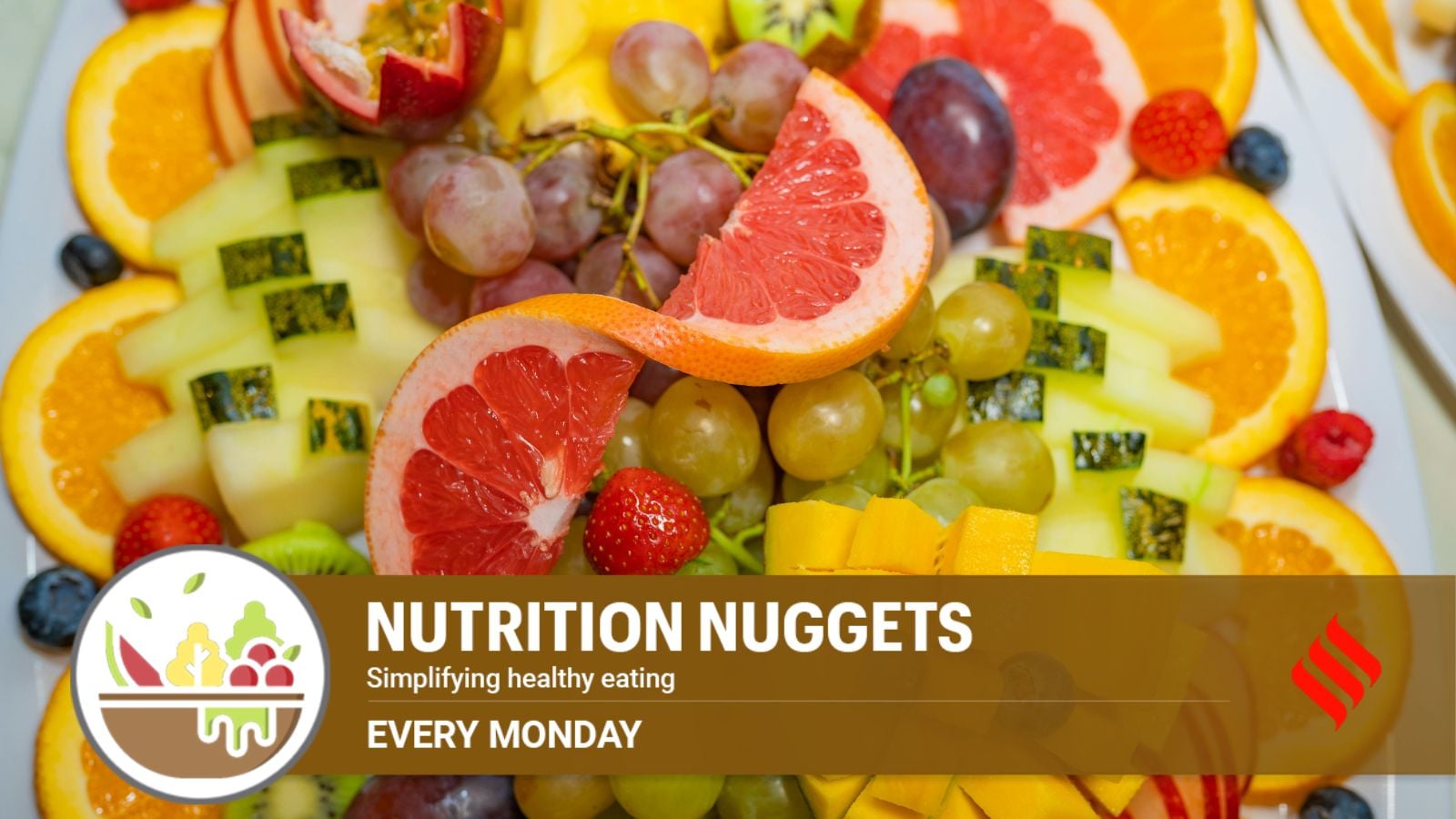
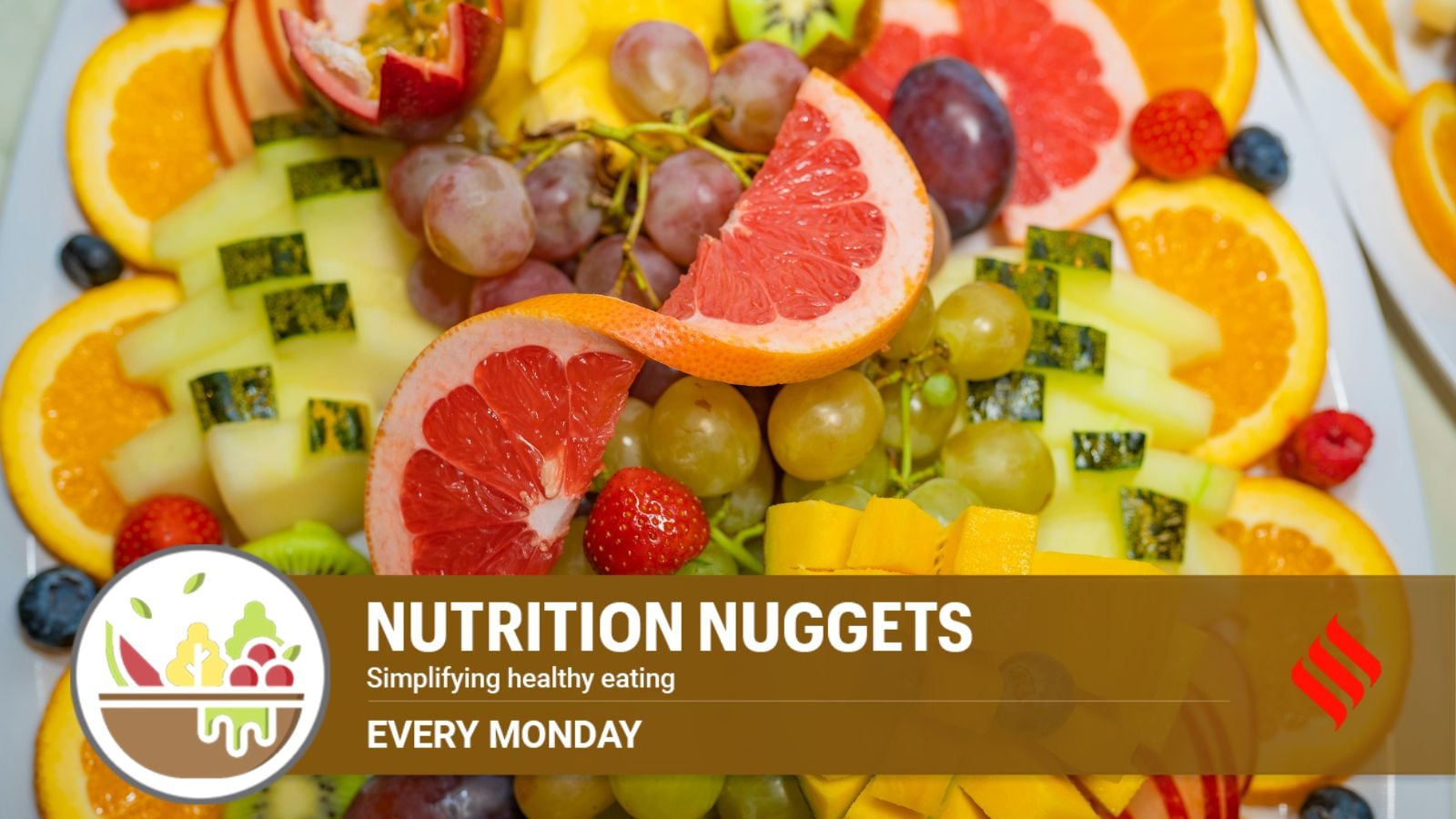
What about a mixed fruit platter?
A typical bowl containing mango, watermelon, papaya, muskmelon and litchis may appear healthy, but together they can deliver the carbohydrate equivalent of two chapatis or a large bowl of rice. Most people would hesitate to eat that much starch as a snack, yet they consume it comfortably when presented as fruit. The issue is not variety itself. The issue is assuming that fruit is a “free food” category where portions do not matter.
Story continues below this ad
If several fruits are being eaten together, the total quantity should still roughly equal one serving rather than separate servings of each fruit. A person living with diabetes could take two small mango slices, two cubes of watermelon, a few cubes of muskmelon, and two litchis together, keeping the total quantity around 100 grams. Someone without diabetes can roughly double that amount. Variety creates the feeling of abundance even when portions remain controlled.
Timing also matters. Fruits are generally better consumed between meals rather than immediately after a heavy rice or roti-based meal. Eating large fruit bowls late at night is another common mistake because glucose handling worsens later in the day. Wherever possible, fruit intake should be shifted toward the first half of the day.
A practical summary for one summer day
· Mango: half a medium fruit (about 100 g) for a person with diabetes, a whole small to medium fruit (150 to 200 g) for others
· Watermelon: one cup cubed (about 100-150 g) for a person with diabetes, up to two cups (200 g) for others
Story continues below this ad
· Litchi: three to four fruits for a person with diabetes, seven to eight for others
· Papaya: 100 grams cubed for a person with diabetes, 150 to 200 g for others
· Combined platter: total no more than 100 g for a diabetes and 200 g for others, including those who are trying to lose weight
· Avoid fruit juices – both fresh and canned
(Dr Bhattacharya is endocrinologist at Apollo Hospital, New Delhi)

Leave a Reply