

Katrina Kaif became a mother less than a year ago, and her appearance has since become a subject of discussion online. Taking this as an example, nutritionist Amita Gadre recently pointed out in a video that what happens to a woman’s body after childbirth is far more complex than simply gaining or losing weight.
“Katrina Kaif had a baby less than a year ago, and now the internet is calling her not slim anymore. Here’s what’s actually happening inside a postpartum body. Estrogen and progesterone crash right after delivery. Prolactin stays high for breastfeeding,” Gadre said, explaining how the hormonal transition after childbirth can influence sleep, mood, appetite and energy levels.
But why does the postpartum weight remain prominent even months after delivery?
DISCLAIMER: This article is based on information from the public domain and/or the experts we spoke to. Always consult your health practitioner before starting any routine.
According to Dr Richa Bharadwaj, Consultant Gynaecology & Obstetrician, Wockhardt Hospitals, Mumbai Central, pregnancy changes how the body stores and uses energy.
“While pregnant, the body naturally puts on extra fat and alters the way it uses energy to support the developing baby and to get ready for breastfeeding,” Dr Bharadwaj explains.
But a postpartum belly is not necessarily just excess fat. The abdominal wall undergoes considerable physical changes during pregnancy as the growing uterus stretches the muscles and connective tissues.
Story continues below this ad
“The abdominal muscles and the connective tissues are stretched during pregnancy, which means that a woman might still have a softer or more noticeable tummy even after giving birth,” she says.
This means abdominal appearance after childbirth can also be influenced by muscle separation and changes in the abdominal tissues.
“Changes to the abdomen after pregnancy are not merely an indication of excess fat; muscle separation and changes in the abdominal tissue can also play a part in the way the belly looks,” Dr Bharadwaj adds.
What happens to hormones after childbirth?
“Soon after the placenta is delivered, the levels of pregnancy hormones such as oestrogen and progesterone drop sharply, while the hormones associated with breastfeeding, especially prolactin and oxytocin, become more important,” Dr Bharadwaj explains.
Story continues below this ad
These changes are necessary for the body to transition out of pregnancy. Prolactin supports milk production, while oxytocin plays a role in milk let-down and helps the uterus contract after delivery.
However, the hormonal shift can also affect everyday functions. “They may also affect sleep, appetite, mood, energy levels and the menstrual cycle,” says Dr Bharadwaj.
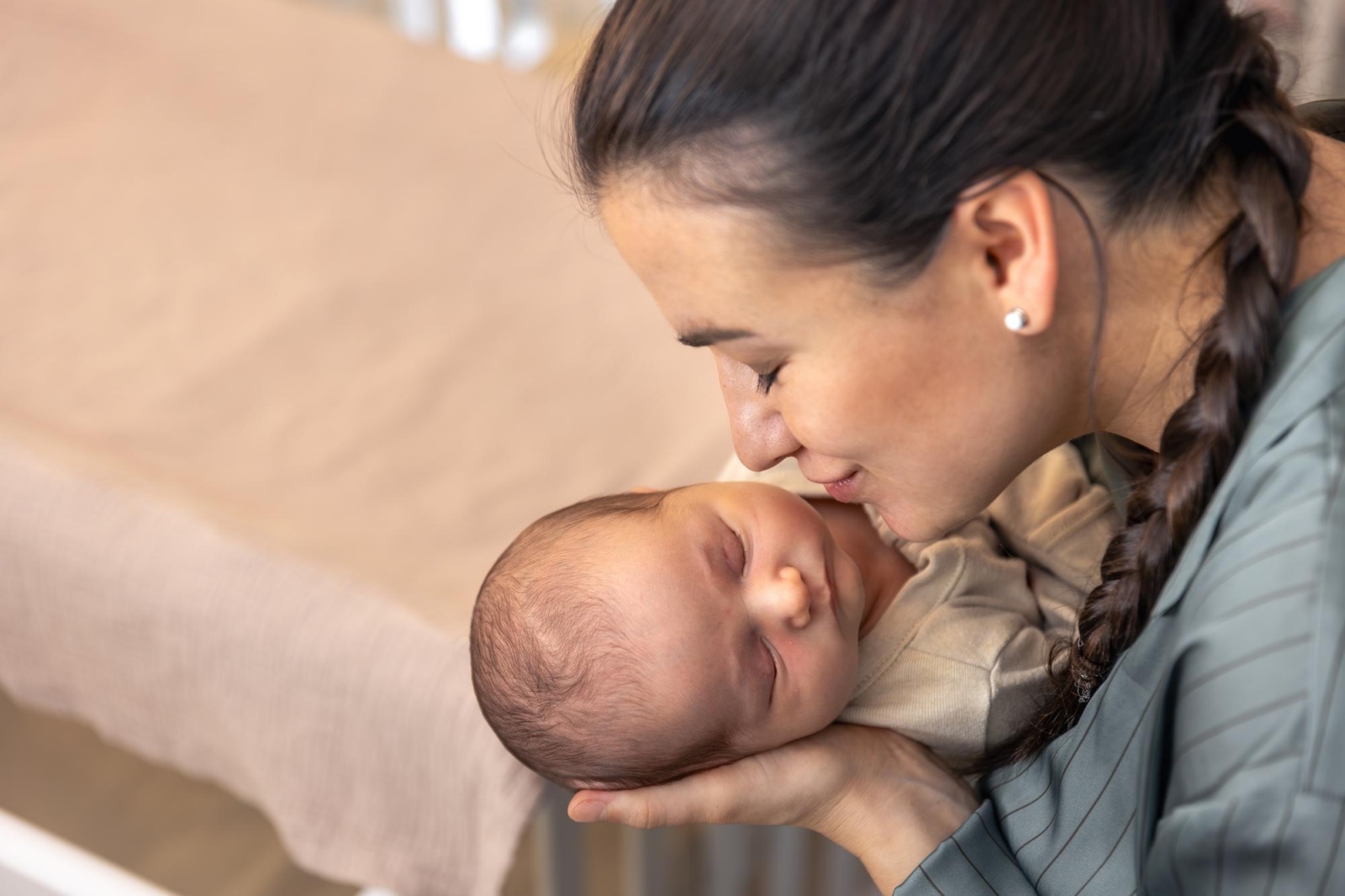 Expert on postpartum journey (Image: Instagram/Vicky Kaushal)
Why does postpartum weight loss take so long?
“Recovering after giving birth includes far more than just getting rid of the weight gained during pregnancy,” Dr Bharadwaj says.
The uterus needs time to shrink towards its pre-pregnancy size, while muscles and connective tissues recover from pregnancy and delivery. At the same time, a new mother may be dealing with interrupted sleep, frequent feeding and a completely changed daily routine.
Story continues below this ad
“Lack of sleep, less physical activity, changes in eating habits and the demands of looking after a newborn can all cause weight loss to take place more slowly,” she explains.
Breastfeeding can also increase the body’s nutritional and energy requirements, making aggressive dieting inappropriate for many new mothers.
Is there a fixed timeline to get back to a pre-pregnancy body?
Recovery varies from woman to woman and can depend on factors including the type of delivery, pregnancy complications, breastfeeding, sleep, nutrition and when physical activity can safely be resumed.
“In many cases, women have to begin exercising slowly, especially if they have had a caesarean section or if their pregnancy was complicated,” Dr Bharadwaj says.
Story continues below this ad
Most importantly, there is no universal deadline by which a woman is expected to look as she did before pregnancy. “There is no one specific date by which a woman should look as she did before she was pregnant,” Dr Bharadwaj says. “A proper recovery should be based on attention to nutrition, sufficient rest, a gradual increase in physical activity and the restoration of strength rather than on trying to lose weight quickly.”
Katrina Kaif has been trending on Google for the past 24 hours.
DISCLAIMER: This article is based on information from the public domain and/or the experts we spoke to. Always consult your health practitioner before starting any routine.

Leave a Reply