
4 min readNew DelhiMay 30, 2026 09:31 AM IST
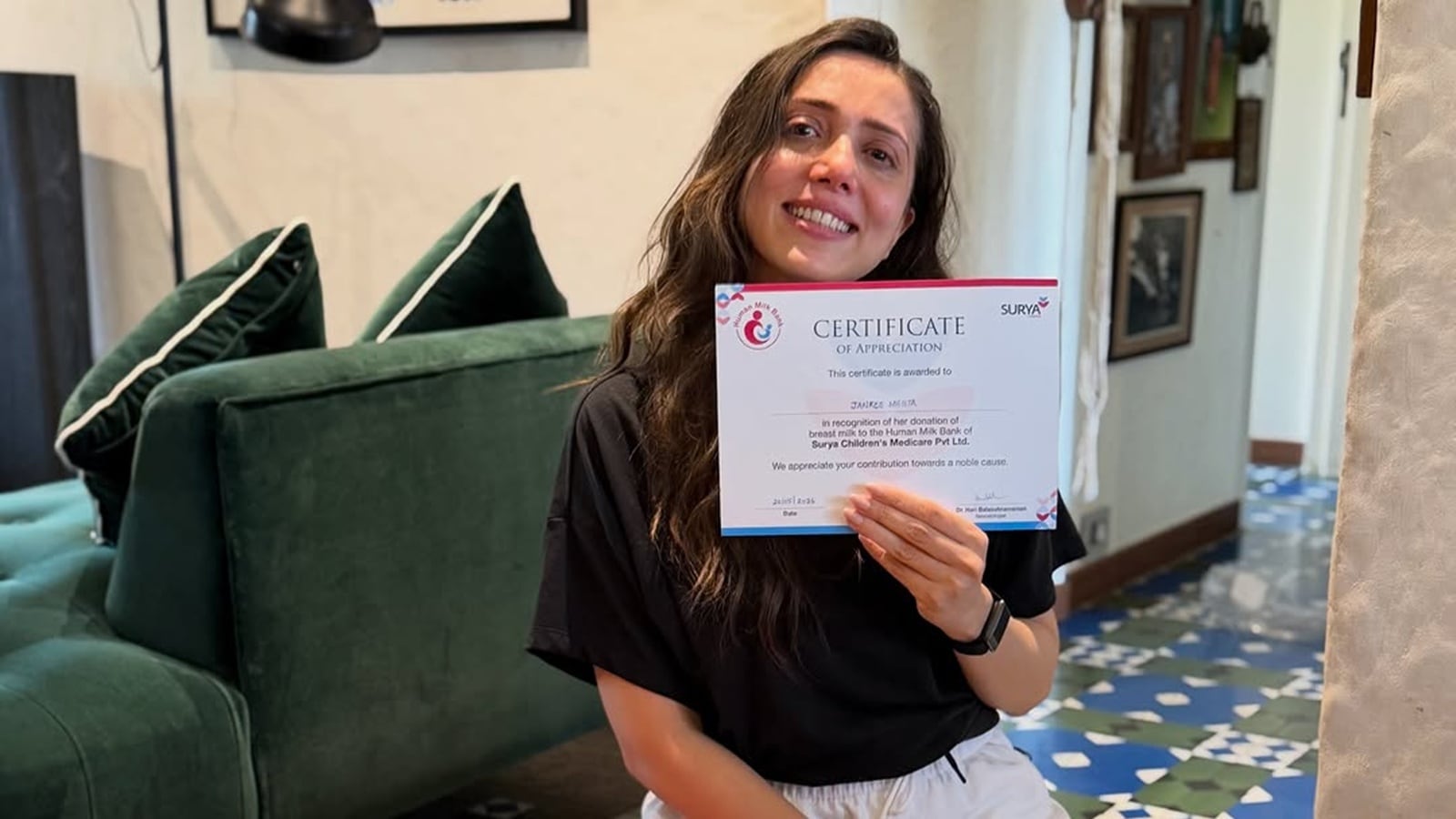
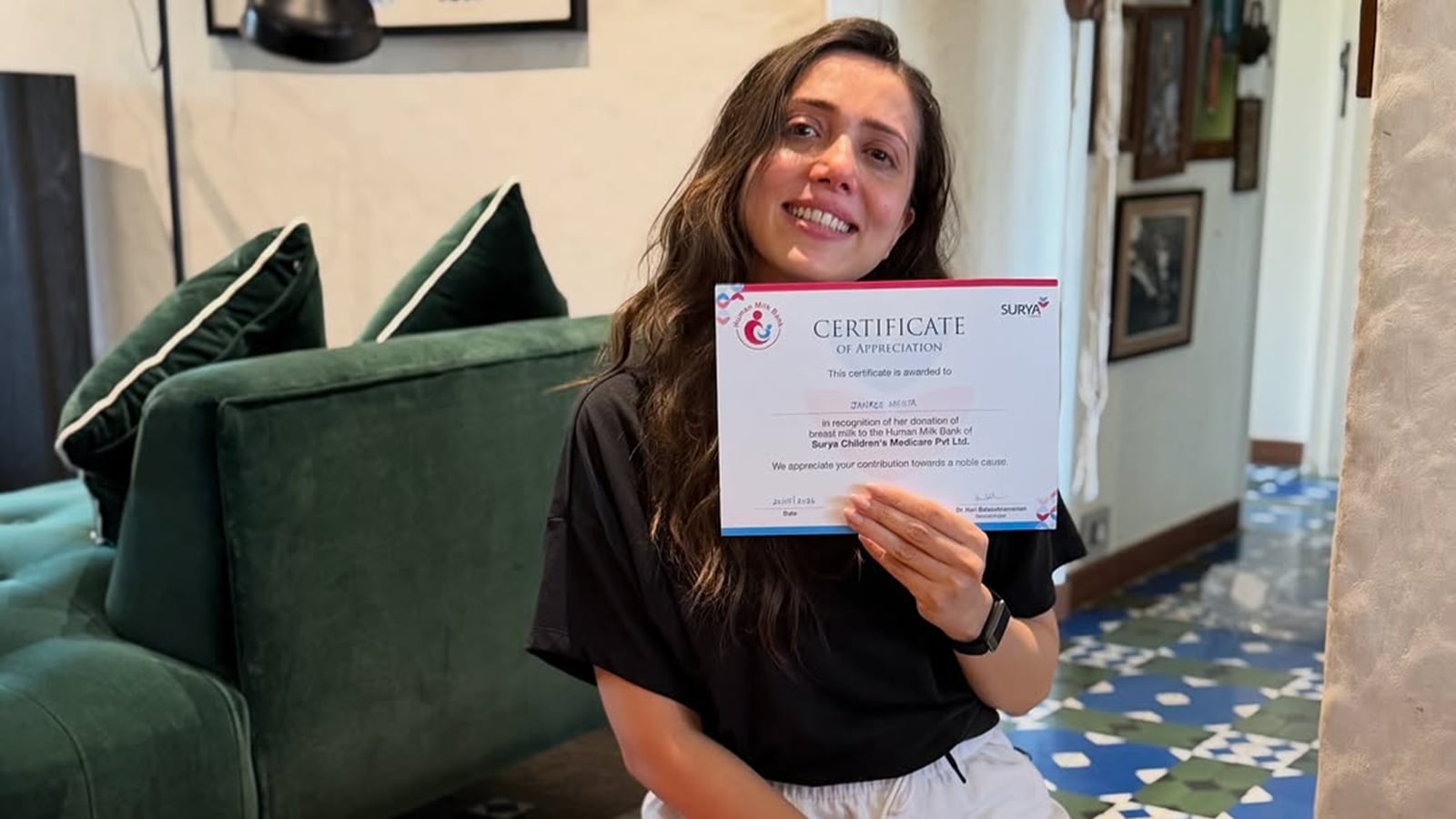
Jankee Mehta, nee Parekh, wife of television actor Nakuul Mehta, recently opened up about her emotional story of donating breast milk. “Yesterday, I gave away 90 packets of my stored breast milk as my first donation to the milk bank, and I genuinely wasn’t prepared for how emotional that would make me feel. I’ve had such mixed feelings and have cried on and off through the day,” she captioned an Instagram post.
DISCLAIMER: This article is based on information from the public domain and/or the experts we spoke to. Always consult your health practitioner before starting any routine.
Revealing why, Mehta added: “Ever since Rumi was born, I’ve pumped every single day. Multiple times. Half asleep, exhausted, telling myself just one more session. Bag after bag. Labelling, storing, making space, repeating. And a part of me always felt maybe my baby would need it someday. I had no idea these little milk bags held so much emotion for me. Because for me, it was never just milk. It was discipline. Effort. Love. So much of what my body has gone through these past months.”
If you’re curious about how to donate breast milk, here’s everything you need to know about the process:
Breaking down the steps
Dr Nithya Ponmudi, a paediatrician and neonatologist managing the milk bank at the Women Centre by Motherhood in Coimbatore, who interacts closely with donor mothers every day, said: “Predominantly, there are lactating mothers whose babies need to be hospitalised long term due to prematurity, some of them even may be 2-3 months. As the babies are on very minimal feeds initially and the mothers have a very good supply, they donate the milk to the breast milk bank voluntarily.”
According to her, the volunteer mothers who are not from the hospital are screened for hepatitis B, HIV, HIV negative. These mothers have enough milk for their own babies and therefore donate milk which is in excess. “The mothers follow strict aseptic procedures, including washing hands, sterilizing their pumping equipment, and using special storage pouches. After pumping the milk, it is quickly frozen in a deep freeze,” she told indianexpress.com.
Next, the milk is collected by volunteers and is brought to the ATM, making sure that they follow the cold chain. Then the frozen milk is moved into a dedicated pasteurization plant. This is where the donated milk will be pulled pasteurized, and tested microscopically for sterility, adds Dr Ponmudi.
Followed by this, the milk is then frozen again for proper storage. “This milk is checked again for any bacterial contamination by doing a culture and then used for supply,” says Dr Ponmudi, adding that the oldest milk is supplied first.
Story continues below this ad
In the hospital, the priority list includes preterm infants, SGA (small for gestational age) infants, and neonates undergoing surgery where feeding with infant formula is not desirable.
“Outside the hospital, donor milk is made available to institutions that do not have a functioning milk banking program. To receive outside allocation, a clinical prescription or doctor’s letter is a must,” she further adds.
Once the milk is supplied, Dr Ponmudi says that it is instructed to be first moved to a regular refrigerator for gradual thawing. “After the milk is thawed, it must be used within a maximum of 24 hours. If it is not used within 24 hours, the milk needs to be discarded, to prevent bacterial contamination,” she concludes.

Leave a Reply