
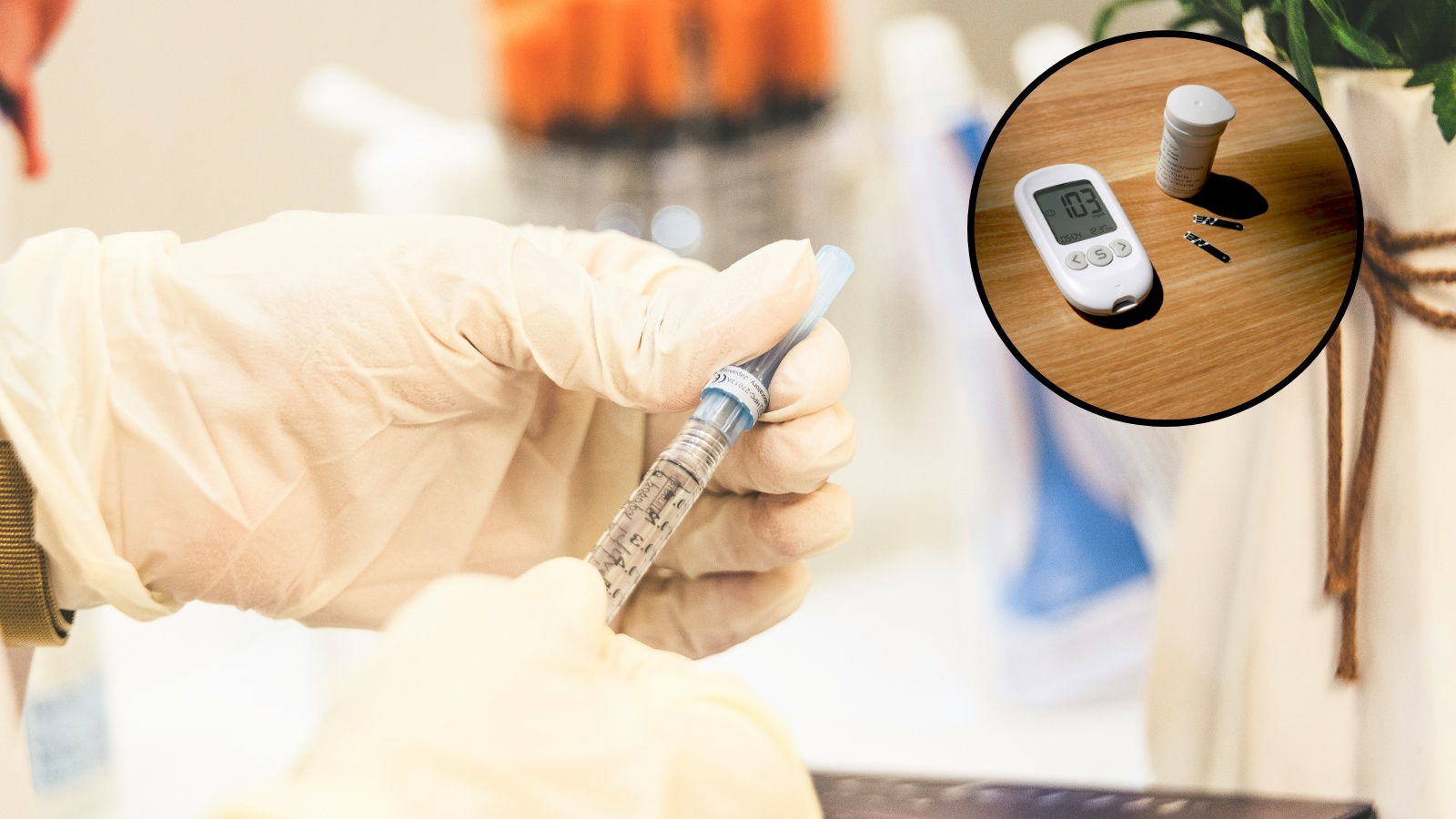
Insulin resistance is often discussed as something that can be “reversed” with the right diet or exercise routine. But how quickly can the body actually become more sensitive to insulin?
According to Dr Himika Chawla, Senior Consultant in Endocrinology and Diabetology at PSRI Hospital, no single timeline applies to everyone. How quickly insulin sensitivity improves depends on several factors, including body weight, abdominal fat, physical activity, diet, sleep, genetics and whether a person has prediabetes or diabetes.
“There’s no time frame,” Dr Chawla said. However, some improvement in insulin sensitivity can occur within weeks of regular physical activity and dietary changes, while more substantial metabolic improvements generally take several months of consistent lifestyle changes.
DISCLAIMER: This article is based on information from the public domain and/or the experts we spoke to. Always consult your health practitioner before starting any routine.
What can improve insulin sensitivity the fastest?
“If you reduce excess weight, especially around the waist, you can greatly improve your insulin sensitivity. For people who are overweight or have obesity and are at high risk of developing diabetes, the American Diabetes Association recommends aiming for at least 5–7% weight loss, alongside at least 150 minutes of moderate physical activity a week.” Dr Chawla explained.
Importantly, exercise can improve insulin sensitivity even with little or no weight loss. “Exercise also increases insulin sensitivity with little or no loss of weight,” Dr Chawla said. A combination of aerobic activity, such as brisk walking, and resistance training can therefore be useful rather than relying on one form of exercise.
 “Stress hormones such as cortisol contribute to insulin resistance and weight gain (Photo: Magnific)
Does diet help reverse insulin resistance?
Diet plays an important role, but no single food can “fix” insulin resistance. Dr Chawla recommends focusing on an overall healthy eating pattern that supports healthy calorie intake and weight management. This means eating more vegetables, whole grains, legumes, nuts and minimally processed foods, while reducing refined and highly processed foods. “Rather than one ‘anti-insulin-resistance’ food,” the emphasis should be on the overall dietary pattern, she said.
Story continues below this ad
Can insulin resistance be permanently reversed?
“Some individuals can achieve normal glucose regulation and greatly improve insulin sensitivity, especially with significant and sustained weight loss and regular physical activity,” Dr Chawla said.
However, these improvements can diminish if a person regains weight or stops following healthier routines. This is why a short-term “reset” diet may not be the most useful way to think about insulin resistance. The focus should be on habits you can maintain over time.
Don’t overlook sleep
“The ADA now counts sleep as an important part of diabetes prevention and management, along with diet and physical activity,” Dr Chawla said.
Poor or inadequate sleep has been associated with poorer metabolic health, making adequate sleep another part of a sustainable approach to improving insulin sensitivity.
Story continues below this ad
So, how long does it really take?
Dr Chawla stressed that the goal should not be a temporary “reset”. Instead, “the goal is not a short-term ‘reset’ but long-term maintenance of healthy weight, regular movement, nutritious eating and adequate sleep.” For anyone with prediabetes or diabetes, lifestyle changes should also be considered alongside regular medical monitoring and treatment recommended by their healthcare professional.
DISCLAIMER: This article is based on information from the public domain and/or the experts we spoke to. Always consult your health practitioner before starting any routine.

Leave a Reply