
Nine months after giving birth, you might expect your menstrual cycle to have returned to normal. But what if you still haven’t got your period? For new mothers, this can be a source of worry, particularly when they are unsure whether it is part of postpartum recovery or a sign that something needs attention.
A similar concern was recently posted on Quora: ‘I had a C-section 9 months ago, and still haven’t got my period. Is there anything that I have to worry about?’
We reached out to Dr Surabhi Siddhartha, Consultant Obstetrician and Gynaecologist at Motherhood Hospitals, Kharghar, for answers, and she explains that the absence of periods at this stage is not necessarily a cause for alarm, especially for breastfeeding mothers. However, the reason for the delay matters.
DISCLAIMER: This article is based on information from the public domain and/or the experts we spoke to. Always consult your health practitioner before starting any routine.
Is the delay in return of periods normal?
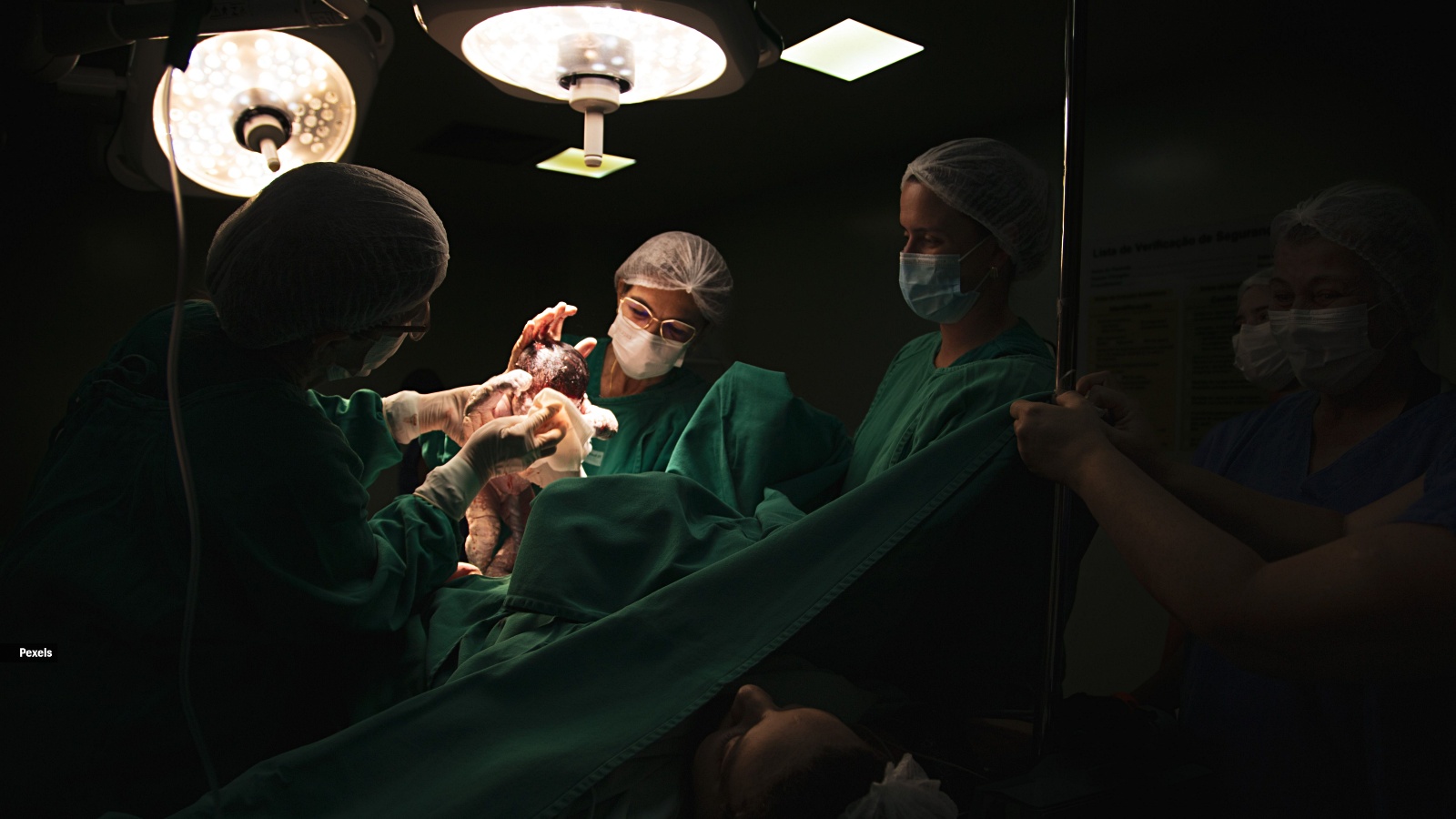 The delay in return of periods is mainly related to hormones after childbirth, not the C-section itself (Image: Pexels)
“Yes, it can be normal, especially if the mother is breastfeeding,” Dr Siddhartha explains in a conversation with indianexpress.com, clarifying that whether after a C-section or a normal delivery, periods do not come back on a “fixed date.”
“It varies a lot from woman to woman. Not getting periods for 9 months alone is not automatically a sign of a problem, but it does need to be understood in context – mainly breastfeeding status.”
In several cases, hormonal changes and breastfeeding, rather than the mode of delivery, influence the delay.
“After delivery, a hormone called prolactin remains high if you are breastfeeding. Prolactin helps make breast milk, but it suppresses ovulation, which means periods stay away,” she explains.
Story continues below this ad
A C-section does not directly delay the return of periods. The same hormonal process occurs after both vaginal and caesarean deliveries, although recovery from surgery may take longer.
For women who are exclusively breastfeeding, particularly those who continue night feeds, periods can remain absent for six months to a year or even longer. If breastfeeding is partial or becomes less frequent, menstruation may return between six and 12 months. Some women may get their periods as early as three to four months after delivery, even while breastfeeding.
However, the absence of periods does not mean a woman cannot get pregnant. Ovulation can occur before the first menstrual period returns, so contraception remains important if another pregnancy is not planned.
What if you are not breastfeeding?
If a woman is not breastfeeding and has not resumed menstruation nine months after delivery, Dr Siddhartha recommends investigating other possible causes, including:
Story continues below this ad
- Hormonal imbalances: Persistently elevated prolactin levels, thyroid problems or stress can affect the menstrual cycle.
- Significant weight changes and sleep deprivation: These can disrupt hormonal balance, particularly during the demanding postpartum period.
- Contraception: Certain methods, including progestin-only pills, injections and hormonal intrauterine devices (IUDs), can reduce or stop menstrual bleeding.
- Pregnancy: If a woman is sexually active without effective contraception, a new pregnancy should be ruled out.
- Rare postpartum complications: In rare cases, severe blood loss during delivery can damage the pituitary gland, which regulates several hormones involved in reproductive function.
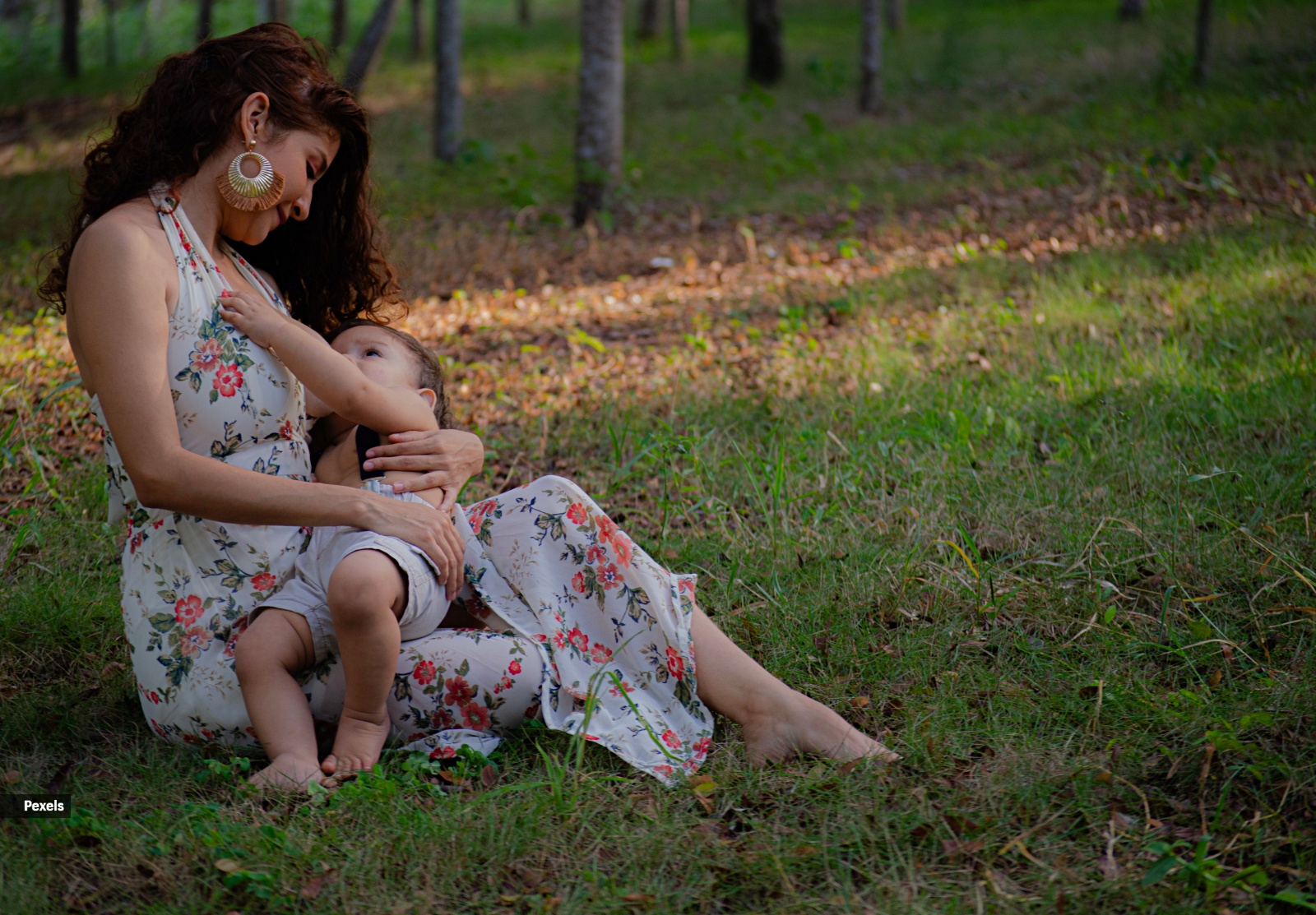 If a mother is exclusively breastfeeding, especially with night feeds, periods can remain absent for 6 months to even a year or more
When should you see a gynaecologist?
Although nine months without periods is not automatically a sign of a problem, Dr Siddhartha advises a check-up, particularly if the woman is not breastfeeding. She recommends consulting a gynaecologist if:
- You are not breastfeeding and your periods have not returned.
- You experience other symptoms, such as headaches, vision changes, excessive hair fall, weight gain, milky nipple discharge despite not breastfeeding, or severe mood changes.
- You have had unprotected sex, and there is a possibility of pregnancy.
- You want reassurance or need advice about contraception.
During the consultation, the doctor will typically ask about the woman’s breastfeeding pattern, contraception and other symptoms. A urine pregnancy test may be recommended, along with thyroid function and prolactin tests if indicated.
What should new mothers keep in mind?
Dr Siddhartha offers the following advice:
- Don’t compare yourself with others: Periods return at different times for different women.
- Track relevant changes: Keep note of your breastfeeding pattern, stress levels, sleep and any contraception you use. This information can help your doctor assess the situation.
- Don’t assume you cannot get pregnant: Ovulation can precede the first period after childbirth. Discuss contraception if you are not planning another pregnancy.
- Pay attention to nutrition: Maintain a balanced diet and address iron or vitamin D deficiencies with medical guidance, as part of your postpartum recovery.
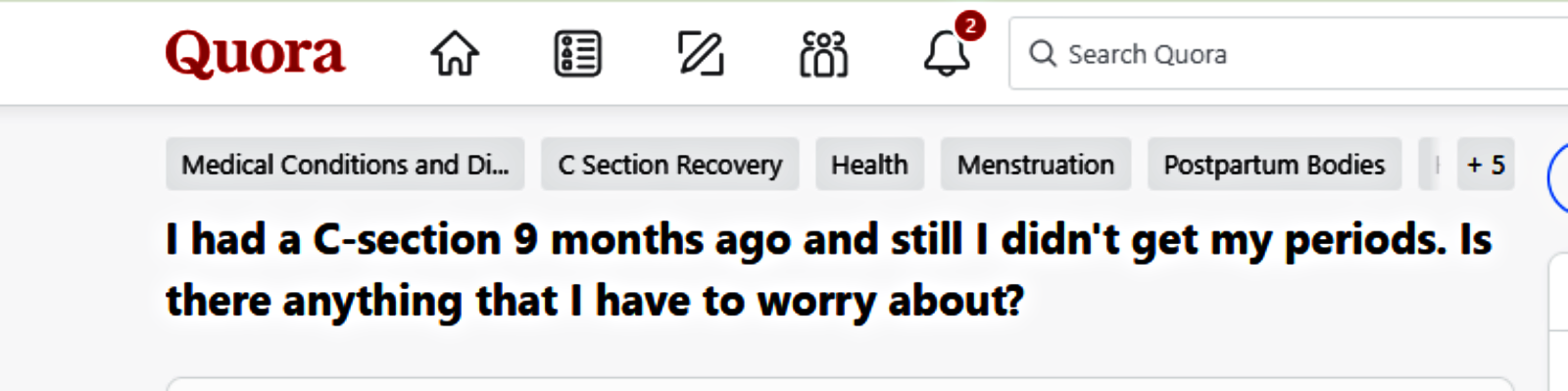 Screenshot of the query posted on Quora
Seek reassurance when needed: A gynaecological consultation can help clarify whether the delay is related to breastfeeding or requires further investigation.

Leave a Reply