
4 min readNew DelhiApr 30, 2026 09:30 AM IST
Whether or not you know how to interpret your medical reports with absolute precision, elevated levels of any of the mentioned parameters can strike panic. One such common medical term that might raise suspicion is bilirubin, which is commonly assumed to rise in cases of liver distress.
One such confused internet user shared his experience on Quora, seeking answers. The query read: ‘I had a bilirubin total of 2.3mg/dl, but I don’t have any symptoms. Could it be serious?’
We decided to dig deeper and reached out to Dr Chetan Kalal, Assistant Director Hepatologist at Gleneagles Hospital Parel, who assures that this number on its own is not necessarily a cause for alarm.
“A routine blood test showing total bilirubin of 2.3 mg/dL can create unnecessary anxiety, especially in someone who feels perfectly healthy,” the liver specialist explains. “While this value is above the usual normal range, it does not automatically indicate serious liver disease.”
DISCLAIMER: This article is based on information from the public domain and/or the experts we spoke to. Always consult your health practitioner before starting any routine.
What does bilirubin actually indicate?
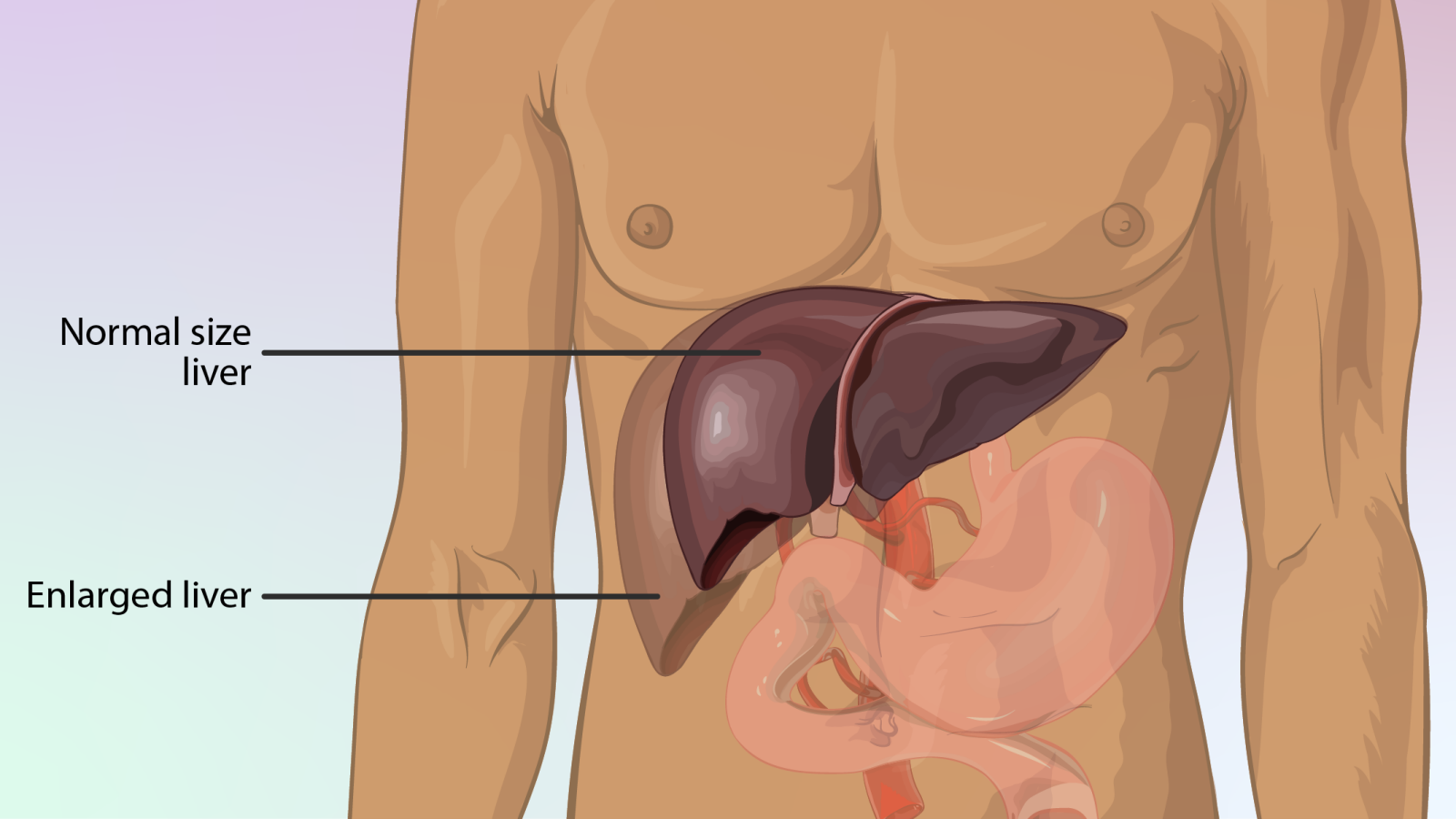 Even if a person has no symptoms, persistent or rising bilirubin levels should be medically reviewed (Image: Wikimedia commons)
Bilirubin is a yellow pigment produced when red blood cells break down. The liver processes it and helps remove it from the body. So, when levels rise, it can sometimes hint at liver-related issues—but not always.
One of the most common benign causes of elevated bilirubin levels is Gilbert syndrome, a mild inherited condition.
Story continues below this ad
“People with Gilbert syndrome are otherwise healthy and may show mildly elevated bilirubin levels during fasting, stress, dehydration, illness, lack of sleep or strenuous exercise,” says Dr Kalal.
He further clarifies that this condition is not dangerous, doesn’t cause liver damage, and usually requires “no treatment.”
Even without Gilbert syndrome, bilirubin levels can fluctuate due to everyday factors such as :
- Mild dehydration
- Fasting or crash dietingRecent viral illness
- Intense physical exertion
- Certain medications
- Increased breakdown of red blood cells
- Early liver or bile duct conditions
When should your bilirubin count worry you?
While a single elevated reading may not mean much, persistent or rising levels should not be ignored.
Story continues below this ad
“The key question is not just how high the bilirubin is, but what type of bilirubin is elevated and whether other liver markers are normal,” Dr Kalal emphasises.
Seek medical attention if you notice symptoms such as:
- Yellowing of eyes or skin
- Dark urine
- Pale stools
- Abdominal pain
- Fever
- Fatigue or loss of appetite
- Unexplained weight loss
If you have been experiencing any of these, doctors may recommend following tests to find out the exact cause:
- Direct and indirect bilirubin levels
- Liver enzymes (AST, ALT, ALP, GGT)
- Complete blood count
- Tests for red blood cell breakdown
- Albumin and INR
- Ultrasound abdomen, if needed
“A bilirubin level of 2.3 mg/dL in an asymptomatic person is often mild and may be harmless, especially if all other tests are normal. However, it should not be ignored without proper interpretation,” Dr Kalal concludes.
DISCLAIMER: This article is based on information from the public domain and/or the experts we spoke to. Always consult your health practitioner before starting any routine.

Leave a Reply