
4 min readNew DelhiApr 28, 2026 06:00 AM IST
Anyone who has tried cutting down on sugar can confirm that the first few days are the toughest. The more you think about not having it, the more intense the craving is. But don’t worry, this phase is temporary, and understanding what’s happening in your body can make achieving your no-sugar goal a cake walk.
According to Sonal Chandalia, Consultant Nutritionist, Jaslok Hospital & Research Centre, cravings are intense early on because the body is adjusting. “The body is in a state of receiving ‘sugar shots’ and utilising the simple sugar for energy.”
When sugar intake drops, the body reacts. “The body has been in an addicted state, and hence the body goes through a withdrawal process.” This is why cravings spike initially, but they reduce as the body “re-adjusts itself metabolically.”
DISCLAIMER: This article is based on information from the public domain and/or the experts we spoke to. Always consult your health practitioner before starting any routine.
Make smarter swaps, not strict cuts
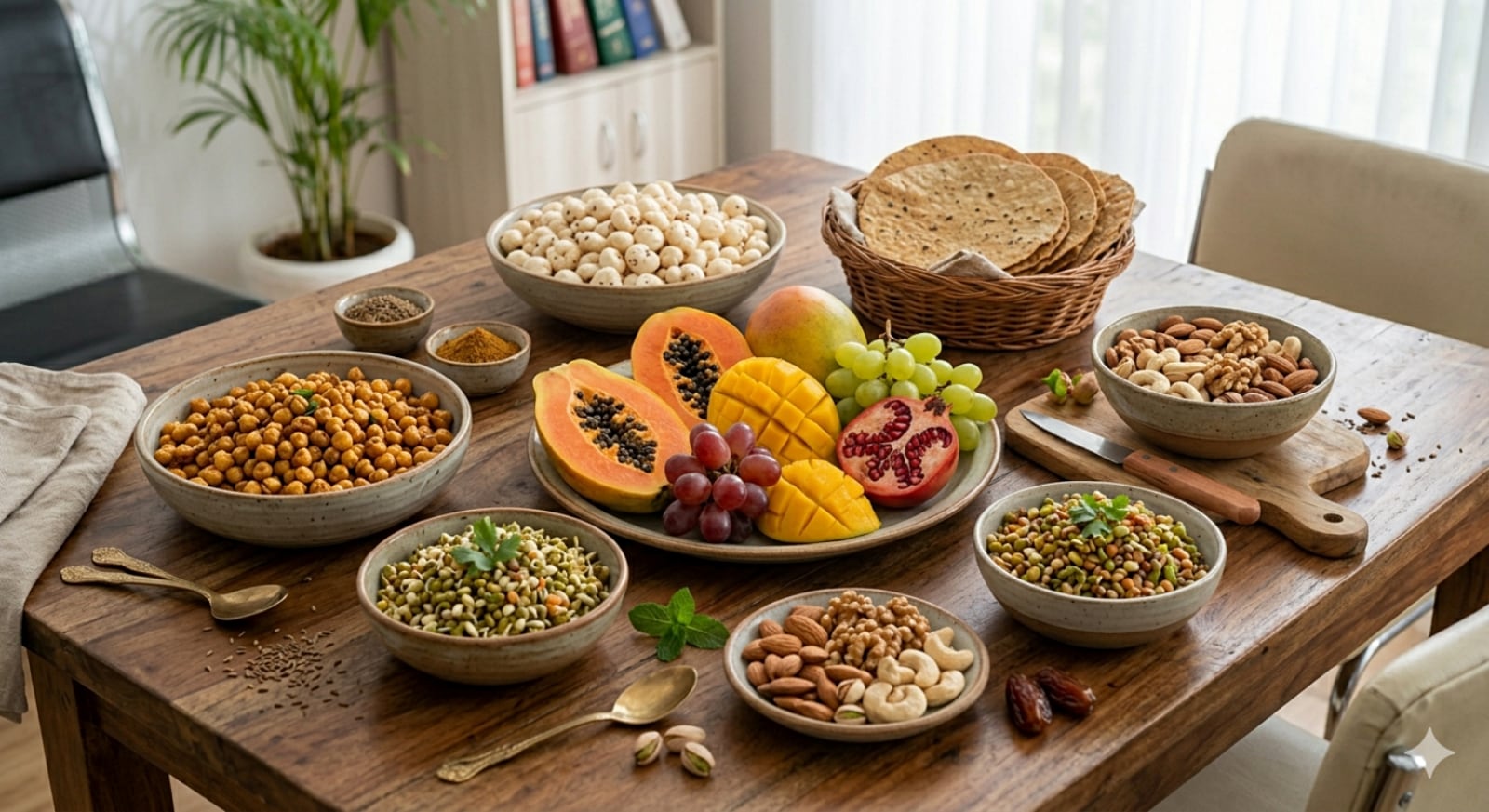 Options like roasted chana, makhana, whole-wheat khakra, fruits, sprouts, or a small portion of nuts can keep you full without triggering sugar spikes (Image: Gemini)
Instead of cutting out sweetness completely, focus on better choices. “Sugar cravings can be reduced intelligently with making the right alternative choices.”
Simple and natural swaps can help—like fruits or homemade options. “A practical way to reduce these sugar cravings is by replacing the food by a portion of fruit and/or a home-made skim milk and no added sugar-based dessert.” A small piece of dark chocolate can also help satisfy the craving without overdoing it.
“Then one does not feel deprived as one has catered to the sweet taste and gradually these options become a part and parcel of the daily nutritional intake,” she explains the psychology behind this practice.
Story continues below this ad
Build habits that prevent bingeing
Managing cravings isn’t just about food—it’s also about routine. “Firstly, one need not deprive oneself from a small portion of sweet from a healthy source as a part of the daily intake.” This helps reduce the feeling of restriction.
Planning your meals can also help. “The habit of eating salad and soups prior to the main meals will reduce hunger pangs and keep one satieted over longer periods of time.”
Another useful strategy is timing. Identifying when cravings usually hit and eating a light snack beforehand can help prevent overeating.
Choose the right snacks
For those with sedentary lifestyles, smart snacking is key. “Low-sugar, complex carbohydrate munching snack alternatives maybe included by people who have sedentary lifestyles.”
Story continues below this ad
Options like roasted chana, makhana, whole-wheat khakra, fruits, sprouts, or a small portion of nuts can keep you full without triggering sugar spikes.
At the same time, be cautious of packaged options. “Sugar-free ready packaged options are not the correct ones as they contain other ingredients which technically are not healthy and misguide one.”
With a few practical changes and some patience, sugar cravings can become easier to handle—making it simpler to stick to healthier habits in the long run.
DISCLAIMER: This article is based on information from the public domain and/or the experts we spoke to. Always consult your health practitioner before starting any routine.

Leave a Reply