
3 min readNew DelhiJun 11, 2026 06:00 AM IST
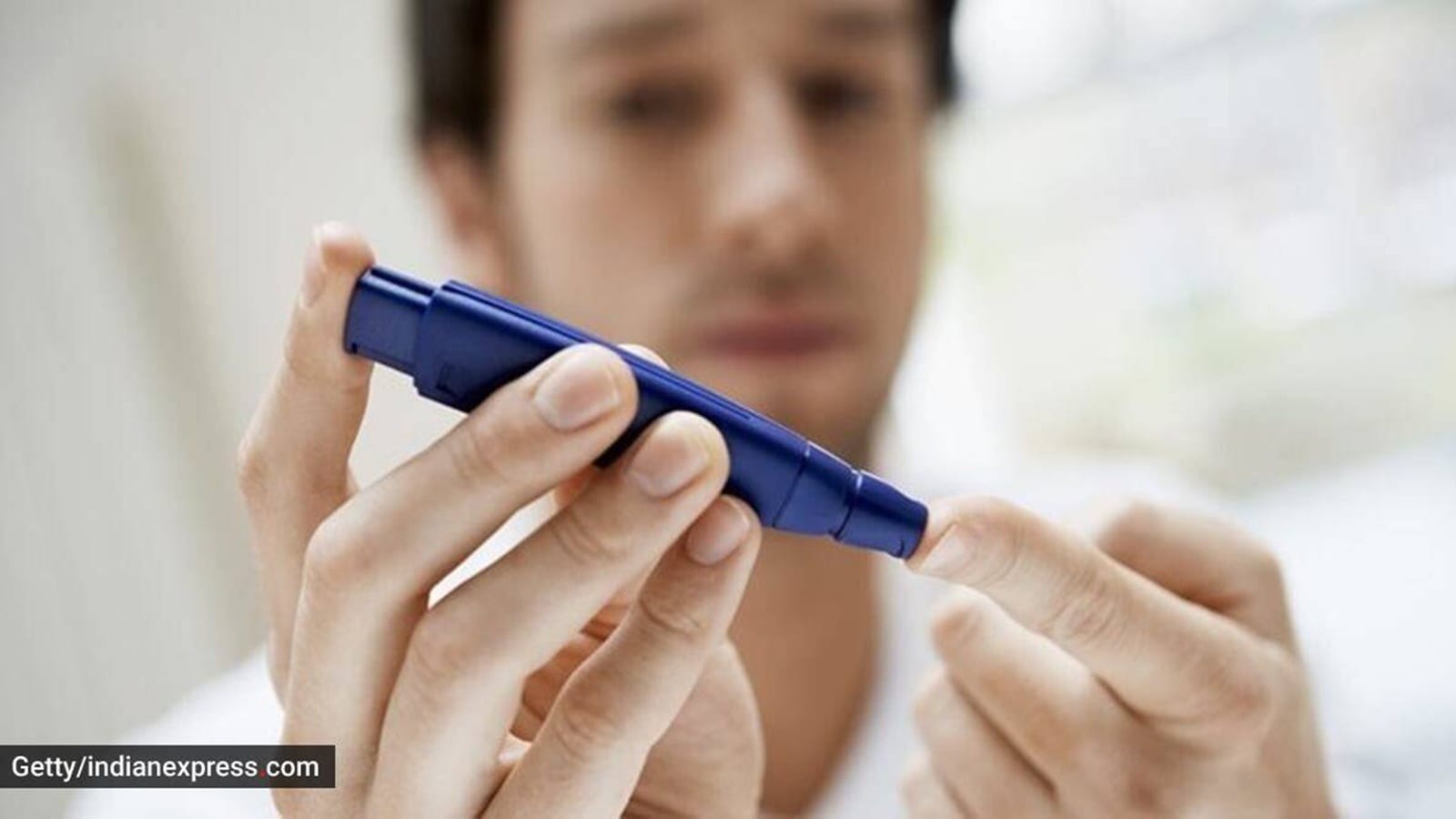
Metformin is one of the most common medications and the first treatment prescribed following a Type 2 diabetes diagnosis. But, how much can Metformin actually lower blood sugar? Responding to this Quora query, Dr Vijay Negalur, HoD, diabetology, KIMS Hospitals, Thane, said there is no single number that applies to everyone. “Its effectiveness depends on factors such as a person’s starting sugar levels, how long they’ve had diabetes, lifestyle habits, weight, and consistency in taking the medication.”
DISCLAIMER: This article is based on information from the public domain and/or the experts we spoke to. Always consult your health practitioner before starting any routine.
What exactly does Metformin do?
In general, Metformin lowers HbA1c levels, which reflect average blood sugar over about three months, by around 1 to 1.5 per cent.
For example, if someone’s HbA1c is 9 per cent, it might drop to about 7.5 to 8 per cent with Metformin, though results differ for each individual. “The medication works by lowering glucose, which can lower HbA1c levels, a marker showing average blood sugar over about three months, by around 1 to 1.5 per cent. For example, if someone’s HbA1c is 9 per cent, it might drop to about 7.5 to 8 per cent with Metformin. The medicine lowers glucose production in the liver and improves the body’s response to insulin.”
 How does Metformin work? (Photo: Quora)
Does Metformin work instantly?
Many people expect to see a dramatic drop in blood sugar right after starting the medicine, but Metformin does not act like a quick-fix drug. “Some improvements in blood sugar readings may be noticeable within days, but the full benefits typically take several weeks of regular use to develop,” said Dr Negalur.
Can Metformin alone control diabetes?
Metformin is a crucial tool, but it is only one part of managing diabetes, noted Dr Negalur. “The medication works best when combined with changes in diet, physical activity, sleep quality, and weight management. A common production in the liver and improving how the body responds to insulin,” added Dr Negalur.
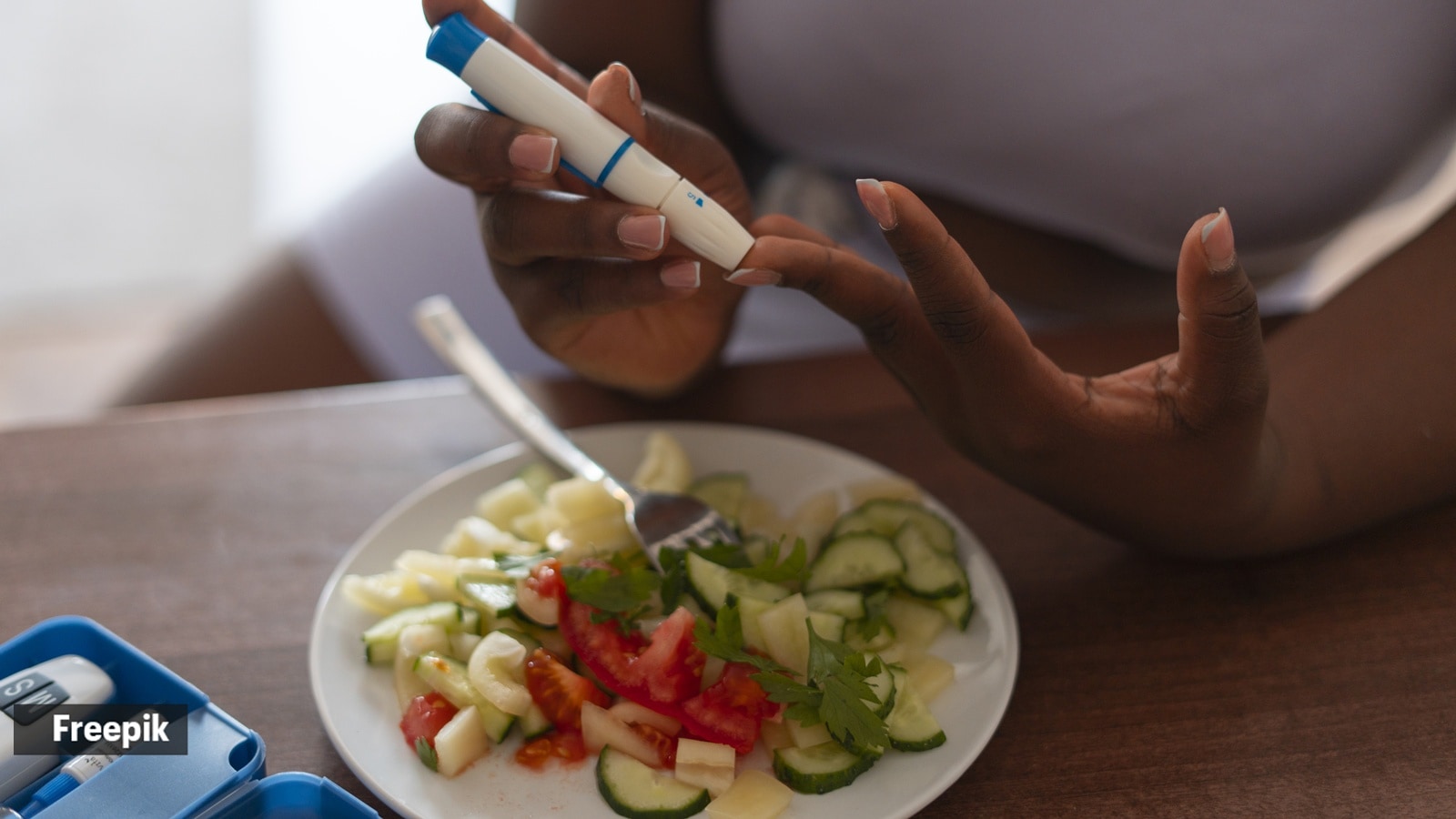 Blood sugar is determined by your meals (Photo: Freepik)
Are there any precautions people should remember?
Dr Negalur advised that patients should avoid changing doses on their own or thinking that higher doses will lead to quicker results. “Some people may experience temporary side effects like nausea, bloating, loose stools, or stomach discomfort, especially in the initial phase of treatment,” said Dr Negalur.
Story continues below this ad
Regular follow-ups are important to check how the body is responding.
DISCLAIMER: This article is based on information from the public domain and/or the experts we spoke to. Always consult your health practitioner before starting any routine.

Leave a Reply