
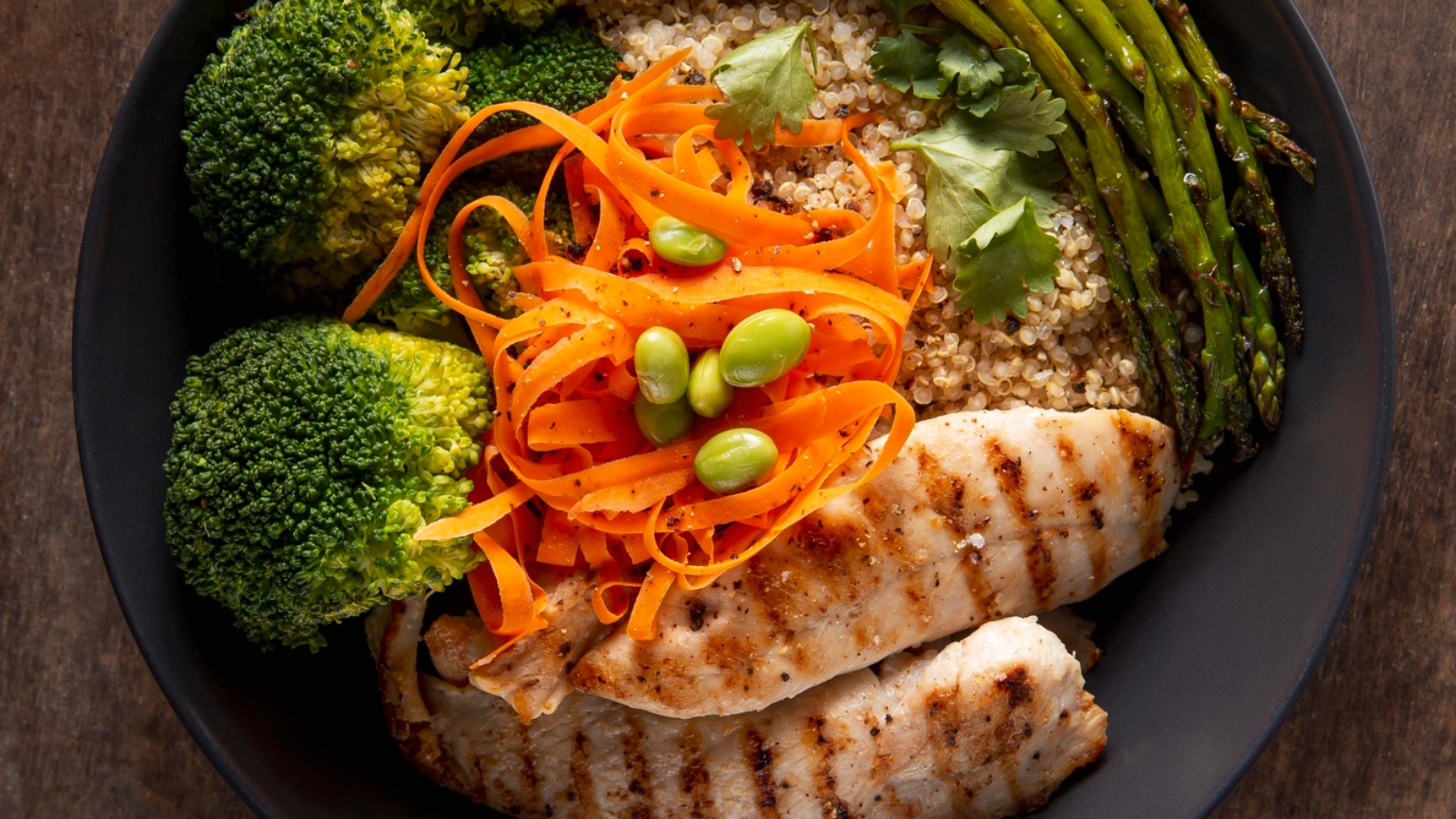
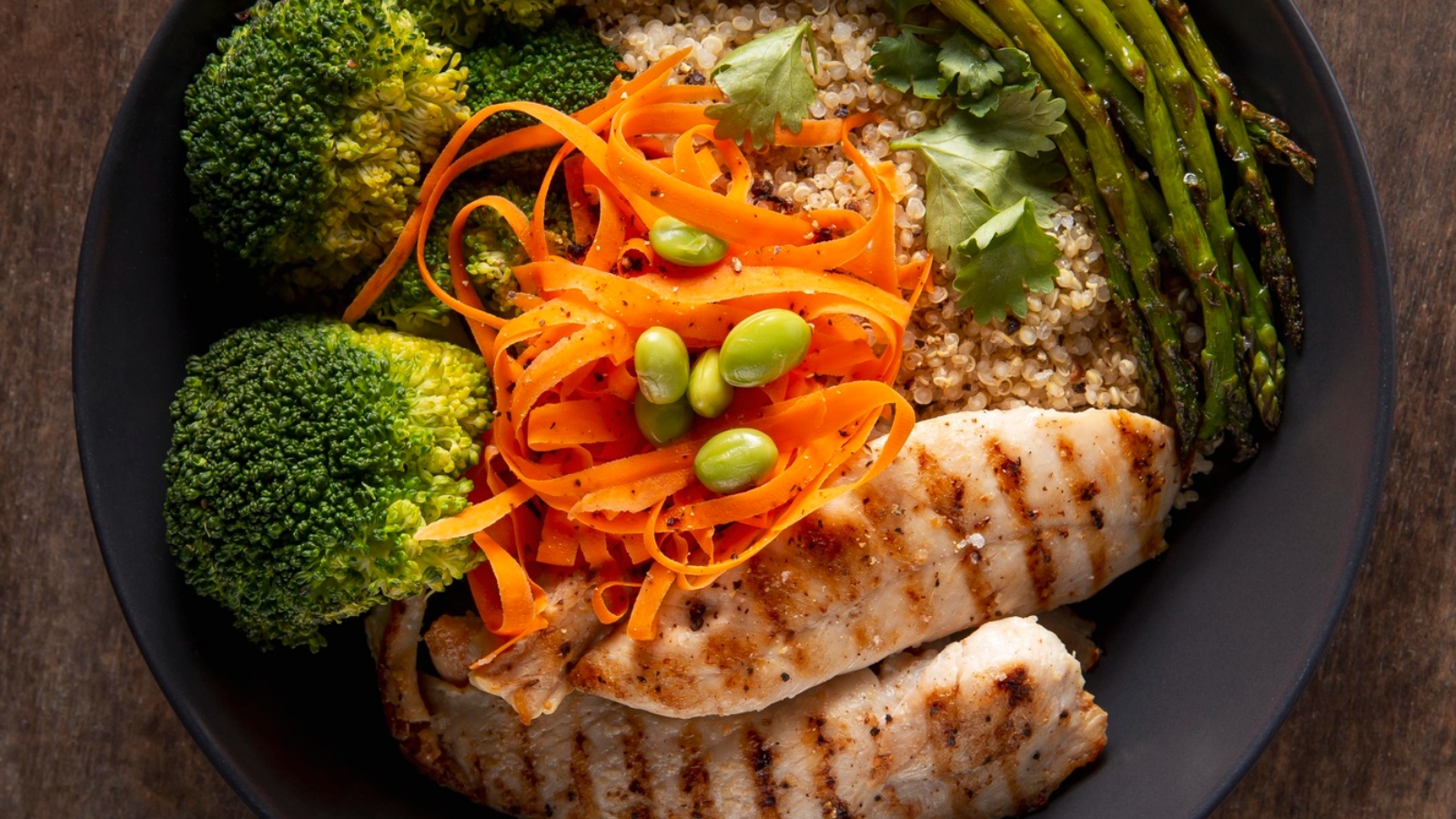
Fitness entrepreneur Sonali Saraogi Singh recently shared practical ways to get 80g of protein daily through simple Indian meals instead of expensive supplements.
In an Instagram post, she wrote, “You don’t need expensive supplements; your everyday Indian kitchen can get you there if you are intentional about it.” She suggested meals like oats with milk, chia seeds and nuts for breakfast, paneer with dal or chana for lunch, protein-rich snacks in the afternoon, and balanced dinners with dal, paneer and rice to reach the target.
While the idea of consuming 80g of protein daily is increasingly popular on social media, experts say protein needs are far more individual than a single fixed number.
DISCLAIMER: This article is based on information from the public domain and/or the experts we spoke to. Always consult your health practitioner before starting any routine.
According to Dr Sundar Krishnan, factors such as body weight, age, physical activity and overall health influence how much protein a person actually requires.
Is 80g of protein necessary for everyone?
“An 80g protein target is not a universal rule,” said Dr Krishnan. “Protein needs vary depending on body weight, age, activity levels, muscle mass and health conditions.”
He explained that while sedentary adults may require relatively lower amounts, people who exercise regularly, are recovering from illness or are older may need more protein to preserve muscle strength and overall health.
“A more practical way to look at protein is per kilogram of body weight rather than a fixed number for everyone,” he said. “For many healthy adults, requirements typically range between 0.8 to 1.2 grams per kilogram body weight, and this can go higher for athletes.”
Story continues below this ad
According to Dr Krishnan, 80g of protein may be suitable for some individuals, but should not automatically be treated as the standard requirement for all adults.
Can Indian meals provide enough protein naturally?
One of the most common misconceptions around high-protein diets is that they always require supplements or imported foods, highlights Dr Krishnan, adding that this is far from true. “Absolutely, an everyday Indian diet can provide adequate protein if meals are planned properly,” he said. “Foods like dal, chana, rajma, paneer, curd, milk, soy, peanuts, eggs, chicken and fish all contribute significantly.”
He added that traditional food combinations also improve protein quality naturally. “Even combinations like rice with dal or roti with chana work well together nutritionally,” he explained.
While protein powders may help people with busy schedules or very high fitness goals, Dr Krishnan emphasised that supplements are not essential for most healthy individuals.
“The bigger issue is usually lack of planning,” he said. “Many Indian meals are heavily carbohydrate-based, while protein portions stay too small. A slight shift in meal balance can make a major difference.”
Story continues below this ad
Does protein timing matter?
According to Dr Krishnan, how protein is distributed across meals is equally important. “Yes, distribution matters,” he said. “The body uses protein more efficiently when it is spread across the day rather than consumed heavily at dinner alone.”
He pointed out that many Indians consume very little protein during breakfast and attempt to compensate later in the day. Instead, including protein-rich foods consistently across meals is a more effective approach.
“Adding eggs, curd, paneer, milk, sprouts or dal-based dishes earlier in the day can improve overall intake naturally,” he said. “Think of protein as something your body needs consistently, not just in one large serving.”
DISCLAIMER: This article is based on information from the public domain and/or the experts we spoke to. Always consult your health practitioner before starting any routine.

Leave a Reply