
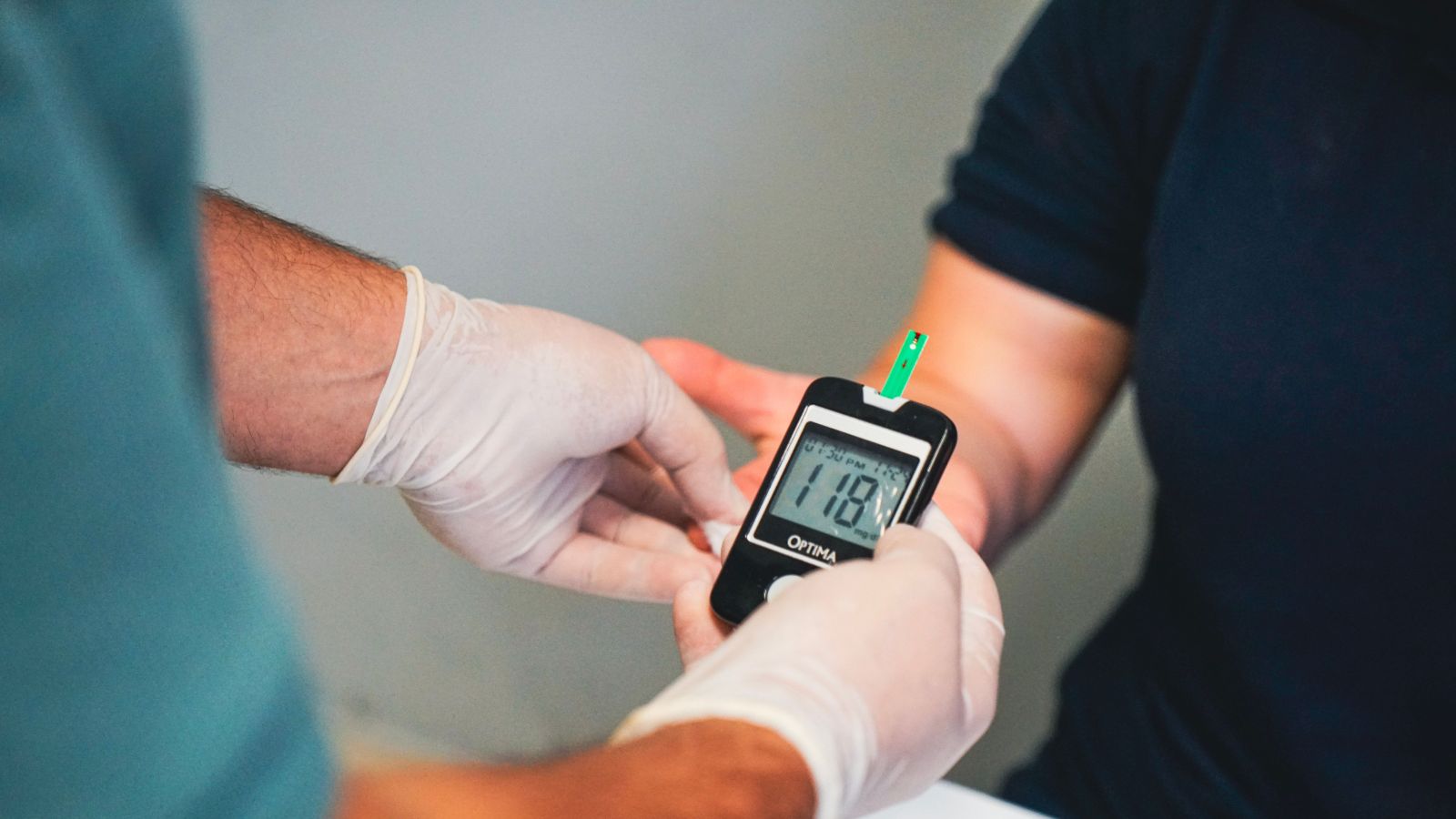
High blood sugar does not always announce itself with obvious symptoms. Sometimes, persistent thirst, unexplained fatigue or frequent trips to the bathroom may be the body’s way of signalling that something is amiss. While these symptoms can have several causes, they may indicate that your blood glucose levels are higher than normal.
But what happens in the body when blood sugar rises, and which signs should you watch out for?
According to Dr Pranav Ghody, Consultant Endocrinologist and Diabetologist, Wockhardt Hospitals, Mumbai Central, high blood glucose can occur when the body does not produce enough insulin or when its cells do not respond effectively to the hormone. Insulin helps glucose move from the bloodstream into cells, where it can be used for energy.
“When blood glucose levels go up, the body may find it difficult to transfer sugar from the blood into the cells, either because the amount of insulin produced is insufficient or because the cells do not respond effectively to insulin,” Dr Ghody explains.
DISCLAIMER: This article is based on information from the public domain and/or the experts we spoke to. Always consult your health practitioner before starting any routine.
Symptoms depend on how high glucose levels rise and how long they stay elevated. Here are 10 signs to watch for.
10 signs your blood sugar may be rising
1. Increased thirst
Feeling unusually thirsty even after drinking water may signal high blood sugar.
Story continues below this ad
“When glucose levels become too high, the kidneys attempt to get rid of the excess sugar through urine. This causes a loss of fluid and leads to increased thirst,” Dr Ghody explains.
2. Frequent urination
Do you find yourself visiting the bathroom more often, particularly at night? High blood glucose could explain it.
When glucose levels exceed the kidneys’ ability to reabsorb it, some of the excess sugar passes into the urine. This draws additional water into the urine, increasing its volume and frequency.
Dr Ghody notes that frequent urination and excessive thirst are among the classic signs of high blood sugar.
3. Persistent fatigue
Story continues below this ad
Feeling exhausted despite getting adequate rest may sometimes be associated with elevated glucose levels.
Although glucose is the body’s primary energy source, insulin-related problems can prevent cells from using it efficiently. This can leave a person feeling tired or lacking energy.
“If the body is unable to use glucose efficiently as a source of energy, fatigue can occur,” says Dr Ghody.
However, fatigue is not specific to diabetes and may also be linked to sleep problems, anaemia, thyroid disorders and other conditions.
4. Increased hunger
Story continues below this ad
Feeling hungry soon after a meal, or experiencing an unusual increase in appetite, could also be a warning sign.
When insulin production or action is impaired, the body’s cells may not use glucose effectively. Even with elevated glucose in the bloodstream, cells may not receive the energy they need.
Dr Ghody explains that this mismatch can trigger increased hunger as the body attempts to meet its energy requirements.
5. Blurred vision
Changes in vision can sometimes accompany high blood sugar.
“Blurred vision may result when high levels of glucose disrupt the fluid balance in the eye,” Dr Ghody says.
Story continues below this ad
These changes can affect the eye’s ability to focus clearly. Vision may fluctuate as blood glucose levels change, but don’t ignore persistent or sudden changes. Seek prompt medical attention for sudden vision loss or significant changes in eyesight.
6. Dry mouth and itchy skin
Persistent mouth dryness or unexplained itchy skin may occur alongside high blood glucose.
Dr Ghody explains that excess glucose can contribute to fluid loss, which may worsen dryness. Changes in skin hydration and other diabetes-related effects can also contribute to itching.
However, these symptoms can have several other causes, including dehydration, medication effects and skin conditions. Their presence alone cannot establish that blood sugar is elevated.
Story continues below this ad
7. Slow-healing wounds
Persistently high blood sugar can interfere with normal wound healing and may affect circulation and immune function. This can make it harder for the body to repair damaged tissue and fight infection.
Dr Ghody identifies slow-healing wounds as another possible sign associated with elevated glucose levels. A healthcare professional should assess wounds that are worsening, becoming red or swollen, or producing discharge.
8. Recurrent urinary or fungal infections
Repeated urinary tract infections or fungal infections may sometimes be associated with diabetes.
Story continues below this ad
“Excess glucose can promote the growth of microorganisms and contribute to recurrent urinary or fungal infections,” Dr Ghody explains.
High blood sugar can also affect the body’s ability to fight infections. If infections keep returning, particularly alongside increased thirst or frequent urination, consult a doctor to determine the cause.
9. Unexplained weight loss
Losing weight without changing your diet or exercise routine warrants attention.
Story continues below this ad
When the body cannot use glucose effectively, it may begin breaking down stored fat and muscle to meet its energy needs. This can lead to unintentional weight loss.
Dr Ghody notes that unexplained weight loss can occur when the body starts using fat and muscle as alternative energy sources.
 Dangers of low blood sugar in old age (Image: Magnific)
10. Tingling or numbness in the hands and feet
A persistent tingling sensation, burning or numbness in the hands and feet may be associated with nerve damage caused by prolonged high blood sugar.
According to Dr Ghody, these sensations can signal nerve damage linked to long-standing elevated glucose levels.
Such symptoms are not always caused by diabetes; vitamin deficiencies, nerve compression and other conditions can also be responsible. However, persistent symptoms warrant medical evaluation, particularly in people with diabetes or other risk factors.
How can you prevent blood sugar levels from rising?
According to Dr Ghody, managing blood glucose is about building sustainable habits rather than following unnecessarily restrictive diets.
Here are some practical steps:
* Eat more fibre-rich foods: Include vegetables, pulses, whole grains and whole fruit in your meals. Pair these with adequate protein to support a balanced diet.
* Limit sugary drinks and refined carbohydrates: Reduce the intake of sweetened beverages, sweets and highly refined foods. Pay attention to portion sizes, too.
* Stay physically active: Aim for at least 150 minutes of moderate-intensity physical activity each week, such as brisk walking, along with strength-training exercises.
* Walk after meals: A short walk after eating can help muscles use glucose and reduce the post-meal rise in blood sugar.
* Maintain a healthy weight: If you are overweight, gradual and sustainable weight management can improve insulin sensitivity.
* Prioritise sleep and stress management: Adequate sleep and strategies to manage stress can support overall metabolic health.
* Break up long periods of sitting: Get up and move regularly throughout the day instead of remaining seated for hours at a stretch.
DISCLAIMER: This article is based on information from the public domain and/or the experts we spoke to. Always consult your health practitioner before starting any routine.

Leave a Reply